In our quest for healthier living spaces, the promise of pristine indoor air often leads us to explore various purification technologies. Among these, the ozone air purifier sometimes surfaces, marketed with claims of neutralizing odors and zapping airborne contaminants. Yet, as experts in home air quality, CleanAir Home believes it’s crucial to pull back the curtain on these devices. While the idea of “activated oxygen” sounds appealing, the reality is that ozone air purifiers often do more harm than good, posing significant health risks without delivering on their promise of truly clean air.
|
Our Picks for the Best Air Purifier in 2026
As an Amazon Associate I earn from qualifying purchases.
|
||
| Num | Product | Action |
|---|---|---|
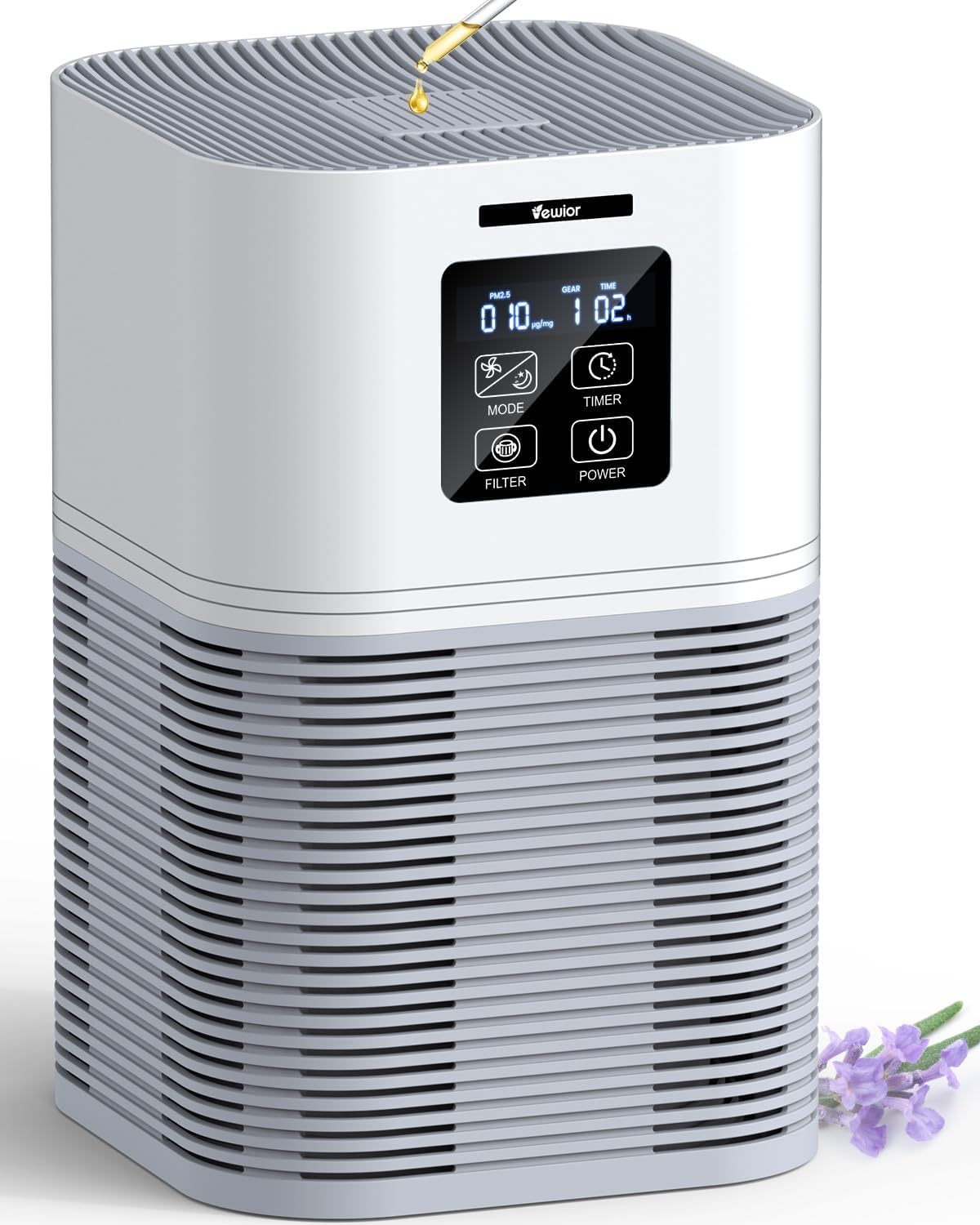
| 1 | Air Purifiers for Home with H13 True HEPA Filter Up to 1076 Ft² for Pet Hair, Odors, Pollen, Smoke, Compact Air Cleaner with 3 Speeds, Timer, Aroma Quiet 360°Intake Filter, White |

|
| 2 | GermGuardian 4-In-1 HEPA Air Purifier for Home, Large Rooms Up To 743 Sq. Ft. with HEPA Air Filter, UV-C Light & Odor Reduction, AC4825E, 22\" Tower, Gray |
|
| 3 | KNKA Genuine Air Purifier Replacement Filter, True HEPA Filter Compatible with APH30000 for High-Efficiency Air Filtration, Odor and Smoke Reduction, Pet Dander Version, 2 Pack |
|
| 4 | LEVOIT Air Purifier for Home Large Room Up to 1073Ft² with Air Quality Monitor, AHAM VERIFIDE, Smart WiFi, Washable Pre-Filter, HEPA Sleep Mode for Pets, Allergies, Dust, Pollen, Vital 100S-P, White |
|
| 5 | LEVOIT Air Purifier for Home Allergies Pet Hair in Bedroom, Covers Up to 1073 ft² by 56W High Torque Motor, AHAM VERIFIDE, 3-in-1 Filter with HEPA Sleep Mode, Remove Dust Smoke Odor, Core300-P, White |
|
| 6 | 3 Pcs 2026 New Magair Air Purifier For M0ld, Magair Air Purifier Plug In No Filter Replacement, Mag Air Purifiers, Living Room,Pet Room, Air Purifiers For Bedroom |
|
| 7 | KNKA Air Purifier for Home Bedroom Large Room Up to 3,500 Ft², HEPA Air Cleaner with Washable Pre-Filter, AHAM VERIFIDE, AQI Display, ECO Mode, Pet Mode for Pets, Allergies, Dust, Pollen, APH4000 |
|
| 8 | AIRDOCTOR 3000 Series (AirDoctor 3000) |
|
| 9 | LEVOIT Air Purifiers for Bedroom Home Dorm, 3-in-1 Filter Cleaner with Fragrance Sponge for Better Sleep,Portable Filters Smoke, Allergens, Pet Dander, Odor, Dust, Office, Desktop, Core Mini-P, White |
|
| 10 | Plug In Negative Ion Air Purifier, with Colorful Night Light, with One Replacement Filter, for Home, Kitchen, Bathroom,Toilet |
|
What Exactly is an Ozone Air Purifier?
At its core, an ozone air purifier is designed to generate ozone (O₃), a molecule made of three oxygen atoms, unlike the breathable oxygen (O₂) we rely on. These devices typically use one of two methods: corona discharge, which employs high-voltage electrical sparks similar to lightning, or ultraviolet (UV) light, mimicking how ozone forms naturally in the upper atmosphere. Once generated, this ozone is released into your home’s air.
Manufacturers often suggest that this unstable ozone molecule seeks out and reacts with pollutants like bacteria, viruses, mold spores, volatile organic compounds (VOCs), and even stubborn odors. The theory is that ozone’s strong oxidizing properties break down these unwanted particles, leaving behind cleaner, fresher air. It sounds like a simple, powerful solution, doesn’t it? But this powerful reaction is precisely where the critical concerns begin.
The Unseen Danger: Why Ozone is a Lung Irritant
Here’s the inconvenient truth: the very chemical properties that make ozone effective at breaking down pollutants are the same ones that make it incredibly harmful to living tissues. When inhaled, ozone is not a “purifier” but a dangerous lung irritant, a major component of outdoor smog, and a classified air pollutant by agencies worldwide.
Breathing in ozone, even at relatively low levels, can trigger a cascade of adverse health effects. You might experience coughing, chest pain, shortness of breath, or an uncomfortable scratchy throat. For individuals already battling respiratory conditions like asthma, chronic obstructive pulmonary disease (COPD), or allergies, exposure can be particularly severe, leading to exacerbated symptoms and potentially life-threatening attacks. Children, the elderly, and anyone with compromised respiratory systems are especially vulnerable, facing increased risks of inflammation, lung damage, and a reduced ability to fight off respiratory infections.
What’s more, ozone doesn’t just damage your lungs directly. It can also react with other chemicals commonly found in your home’s air, creating entirely new, often more harmful, byproducts such as formaldehyde and ultrafine particles. This means that instead of cleaning your air, an ozone air purifier can inadvertently transform your indoor environment into a chemical reaction chamber, introducing additional toxic elements you never intended.
Effectiveness vs. Safety: A Dangerous Trade-off
The claims of effective air purification by ozone generators often fall apart under scientific scrutiny, especially when safety is paramount. Research consistently shows that for ozone to effectively eliminate most indoor air contaminants, viruses, bacteria, mold, or odors, it would need to be present at concentrations that are far above levels considered safe for human or animal exposure.
Think about it: if the ozone produced is at a concentration deemed safe to breathe, it simply won’t be powerful enough to make a significant difference in air purification. And if it’s producing enough ozone to truly “clean” the air, then that air becomes unsafe to breathe. It’s a dangerous trade-off that responsible air quality experts, like those at CleanAir Home, cannot endorse.
Furthermore, ozone’s ability to “remove odors” is often misleading. Instead of truly eliminating odor-causing molecules, ozone can sometimes merely deaden your sense of smell, masking the problem rather than solving it. This not only gives a false sense of security but can also reduce your ability to detect higher, more dangerous levels of ozone itself.
This stark reality has led leading health and environmental agencies to take a firm stance. The U.S. Environmental Protection Agency (EPA) explicitly states that it does not approve ozone generators for use in occupied spaces and cautions against them due to their health risks. Similarly, the California Air Resources Board (CARB), a leading authority in air quality, strongly advises against their use in any space occupied by people or animals, except for very specific industrial applications where harmful exposure is prevented. They even regulate and certify ozone-free air cleaners, setting a high standard for safety.
As Dr. Anya Sharma, CleanAir Home’s Lead Environmental Scientist, often remarks, “When it comes to the air we breathe, there’s no room for compromise. Ozone air purifiers present a false promise, exchanging the illusion of clean air for very real health hazards. Our priority is always genuine safety and effectiveness.”
Beyond Ozone: Truly Effective and Safe Air Purification
So, if ozone air purifiers are off the table, what are the safe and effective alternatives for achieving genuinely clean indoor air? The answer lies in proven, ozone-free technologies that prioritize your health.
The gold standard for particle removal is True HEPA filtration. These mechanical filters are designed to capture 99.97% of airborne particles as small as 0.3 microns, including dust, pollen, pet dander, mold spores, and even many bacteria and viruses. They work by physically trapping these contaminants as air passes through a dense, fibrous mesh, without releasing any harmful byproducts.
Complementing HEPA filters are activated carbon filters. While HEPA excels at capturing particles, activated carbon is a marvel at adsorbing gases, chemical odors, and volatile organic compounds (VOCs) from the air. The porous structure of activated carbon acts like a sponge, trapping these gaseous pollutants through a process called adsorption. Together, True HEPA and activated carbon filtration systems offer comprehensive air purification, tackling both particulate and gaseous pollutants without producing harmful ozone.
When considering an air purifier, always look for certifications like CARB (California Air Resources Board) and ENERGY STAR, which signify that the device meets stringent standards for low-to-zero ozone emissions and energy efficiency. These certifications help you identify products that are genuinely safe and effective.
Making the Right Choice for Your Home
Choosing the right air purification solution for your home is about making an informed decision that truly benefits your family’s health. When evaluating air purifiers, focus on these key aspects:
- Filter Type: Prioritize models featuring True HEPA and activated carbon filters. Avoid devices that rely heavily on ionizers or electrostatic precipitators without clear ozone-free certification, as these can sometimes produce ozone as a byproduct.
- CADR (Clean Air Delivery Rate): This rating tells you how quickly the purifier cleans a room of specific particle types (pollen, dust, smoke). A higher CADR means faster cleaning for a given room size. Match the purifier’s capacity to the square footage of your room.
- Certifications: Look for CARB certification to ensure ultra-low or zero ozone emissions, and ENERGY STAR for energy efficiency.
- Source Control and Ventilation: Remember, air purification is one part of a holistic approach to indoor air quality. Reducing pollution at its source (e.g., proper ventilation when cooking, using low-VOC products) and ensuring adequate fresh air circulation are equally vital steps.
At CleanAir Home, our mission is to empower you with the knowledge and solutions for a truly healthy living environment. We firmly believe that the path to clean air should never involve compromising your health.
Conclusion
The pursuit of cleaner indoor air is a commendable goal, but it’s essential to approach it with accurate information and safe technology. Ozone air purifiers, despite their enticing marketing, present a clear and scientifically recognized health risk due to the dangerous nature of ozone gas. They are ineffective at safe concentrations and potentially harmful at levels required for “purification.”
As a trusted leader in home air quality, CleanAir Home urges you to prioritize your family’s well-being by choosing proven, ozone-free air purification solutions. Embrace the peace of mind that comes with technologies like True HEPA and activated carbon filtration, which genuinely remove pollutants from your air without introducing new dangers. Make an informed choice for a home where every breath is truly clean and safe.