Ever wonder what you’re truly breathing in during your daily commute? It’s easy to assume your car’s sealed environment protects you, but the truth is, the air inside your vehicle can often be more polluted than the air outside. That’s where a car air purifier steps in, transforming your driving experience from a hazy journey into a breath of fresh air. It’s not just about removing unpleasant odors; it’s about safeguarding your health and enhancing your focus every time you hit the road.
|
Our Picks for the Best Air Purifier in 2026
As an Amazon Associate I earn from qualifying purchases.
|
||
| Num | Product | Action |
|---|---|---|
| 1 | Air Purifiers for Home with H13 True HEPA Filter Up to 1076 Ft² for Pet Hair, Odors, Pollen, Smoke, Compact Air Cleaner with 3 Speeds, Timer, Aroma Quiet 360°Intake Filter, White |

|
| 2 | GermGuardian 4-In-1 HEPA Air Purifier for Home, Large Rooms Up To 743 Sq. Ft. with HEPA Air Filter, UV-C Light & Odor Reduction, AC4825E, 22\" Tower, Gray |
|
| 3 | KNKA Air Purifier for Home Bedroom Large Room Up to 3,500 Ft², HEPA Air Cleaner with Washable Pre-Filter, AHAM VERIFIDE, AQI Display, ECO Mode, Pet Mode for Pets, Allergies, Dust, Pollen, APH4000 |
|
| 4 | AIRDOCTOR 3000 Series (AirDoctor 3000) |
|
| 5 | LEVOIT Air Purifier for Home Allergies Pet Hair in Bedroom, Covers Up to 1073 ft² by 56W High Torque Motor, AHAM VERIFIDE, 3-in-1 Filter with HEPA Sleep Mode, Remove Dust Smoke Odor, Core300-P, White |
|
| 6 | Plug In Negative Ion Air Purifier, with Colorful Night Light, with One Replacement Filter, for Home, Kitchen, Bathroom,Toilet |
|
| 7 | KNKA Genuine Air Purifier Replacement Filter, True HEPA Filter Compatible with APH30000 for High-Efficiency Air Filtration, Odor and Smoke Reduction, Pet Dander Version, 2 Pack |
|
| 8 | LEVOIT Air Purifier for Home Large Room Up to 1073Ft² with Air Quality Monitor, AHAM VERIFIDE, Smart WiFi, Washable Pre-Filter, HEPA Sleep Mode for Pets, Allergies, Dust, Pollen, Vital 100S-P, White |
|
| 9 | 3 Pcs 2026 New Magair Air Purifier For M0ld, Magair Air Purifier Plug In No Filter Replacement, Mag Air Purifiers, Living Room,Pet Room, Air Purifiers For Bedroom |
|
| 10 | LEVOIT Air Purifiers for Bedroom Home Dorm, 3-in-1 Filter Cleaner with Fragrance Sponge for Better Sleep,Portable Filters Smoke, Allergens, Pet Dander, Odor, Dust, Office, Desktop, Core Mini-P, White |
|
The Hidden Dangers in Your Car’s Air: Why a Car Air Purifier is Essential
Our cars, despite their protective appearance, are often breeding grounds for an array of airborne nasties. Think about it: every time you open a door, roll down a window, or even just breathe, you’re introducing a cocktail of dust, pollen, pet dander, and microscopic pollutants into a confined space. Then there are the invisible threats like exhaust fumes seeping in from traffic, volatile organic compounds (VOCs) off-gassing from your car’s interior materials, and the lingering presence of smoke or food odors.
These seemingly innocuous particles and gases can take a real toll on your well-being. For allergy sufferers and those with asthma, a polluted car cabin can trigger sneezing fits, watery eyes, and even severe respiratory distress. But it’s not just about allergies. Exposure to poor air quality can lead to fatigue, headaches, nausea, and a noticeable drop in concentration, making your drive less safe and certainly less enjoyable. As urban pollution continues to climb, ensuring clean air in your vehicle becomes not just a luxury, but a necessity for your health and peace of mind.
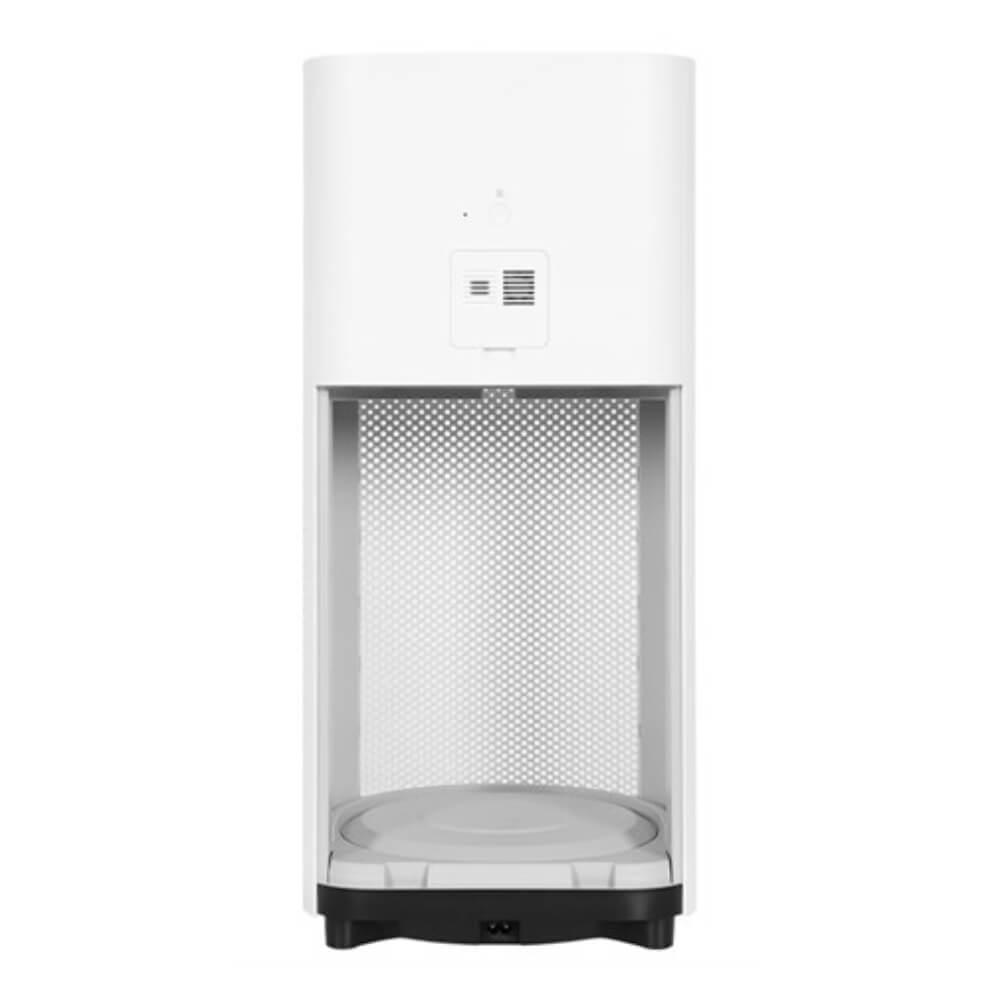
How a Car Air Purifier Works Its Magic: Understanding the Technology
A car air purifier might seem like a complex gadget, but its core principle is beautifully simple: it pulls in the dirty air from your car’s cabin, runs it through specialized filters or purification processes, and then releases refreshingly clean air back into your space. It’s like giving your car’s lungs a powerful, high-tech upgrade.
The Power Players: Key Filtration Technologies
When you’re diving into the world of car air purifiers, you’ll quickly encounter a few key technologies that do the heavy lifting. Understanding them is crucial to choosing the best car air purifier for your needs.
HEPA Filters: The Tiny Particle Trappers
High-Efficiency Particulate Air (HEPA) filters are the undisputed champions of particle removal. These dense, fibrous filters are designed to capture microscopic particles as small as 0.3 microns with incredible efficiency, often up to 99.97%. What does that mean for your car? It means goodbye to common allergens like dust mites, pollen, and pet dander. They also effectively trap bacteria and some viruses, offering a significant boost to your in-cabin hygiene. When shopping, look for “True HEPA” filters or those rated HEPA 13 or 14 for the highest level of performance.
Activated Carbon Filters: The Odor and Gas Neutralizers
While HEPA filters excel at trapping particulates, they’re not as effective against gases and odors. That’s where activated carbon filters come in. Made from highly porous carbon material, these filters work through a process called adsorption, where gas molecules and odors chemically bind to the carbon’s surface. They are incredibly effective at eliminating stubborn smells from cigarette smoke, food spills, and pets. More importantly, they neutralize harmful volatile organic compounds (VOCs) like formaldehyde, benzene, sulfur dioxide, and nitrogen dioxide, which can off-gas from car interiors and external pollution.
Ionizers: The Invisible Cleaners
Some car air purifiers incorporate ionizer technology. These devices release a stream of negatively charged ions into the air. These ions attach to airborne pollutants, causing them to become heavier and fall out of the air, or to clump together, making them easier for filters to capture. While ionizers can be effective at reducing particles and neutralizing some odors, a common concern is the potential production of ozone, a lung irritant. If you’re considering an ionizer, always look for products certified to produce zero ozone, such as those with CARB (California Air Resources Board) or Energy Star certifications, to ensure your safety.
Other Advanced Technologies
Beyond the core trio, you might find some car air purifiers boasting additional innovations. UV-C LED technology, for instance, uses ultraviolet light to kill airborne bacteria and viruses, providing an extra layer of pathogen protection. Nano-confined catalytic oxidation (NCCO) is another advanced air treatment system designed to break down and remove a wider range of pollutants and odors. These extra features can elevate the purification power, but often come with a higher price tag.
Choosing the Right Car Air Purifier: A Buyer’s Guide
Selecting the perfect car air purifier for your vehicle isn’t just about grabbing the first one you see. It’s about finding a device that fits your lifestyle, your car, and your specific air quality needs. Let’s break down the key factors to consider.
Key Factors to Consider for Your Ride
Making an informed decision means looking beyond the marketing hype and focusing on what truly matters for in-car air purification.
Filtration Type: The Heart of the Purifier
As we’ve discussed, the combination of a True HEPA filter and an activated carbon filter offers the most comprehensive purification. This duo tackles both particulate matter (dust, allergens, viruses) and gaseous pollutants (odors, VOCs). While ionizers can supplement this, prioritize models with robust multi-stage filtration for optimal results.
CADR (Clean Air Delivery Rate): Clearing the Air Quickly
The Clean Air Delivery Rate (CADR) measures how quickly an air purifier removes pollutants from a given space. For car air purifiers, a higher CADR means faster and more effective air cleaning, which is especially important for larger vehicles like SUVs or minivans. Smaller compact purifiers might take longer to clean the air in a spacious cabin. While not always explicitly stated for car purifiers, it’s a good metric to keep in mind when comparing models.
Size and Portability: Fit for Your Cabin
Car air purifiers come in various shapes and sizes to fit different vehicle interiors. Many popular models are designed to comfortably fit into a cup holder, offering a discreet and accessible solution. Others might mount on the dashboard, clip to a sun visor, or even strap to the back of a headrest. Consider where you want to place it and ensure the dimensions are compatible with your car’s interior without obstructing your view or comfort. Portability is also key if you plan to move the unit between vehicles or even use it in small indoor spaces.
Power Source: Keeping the Clean Air Flowing
Most car air purifiers are powered in one of a few ways:
- Battery-powered: These offer the ultimate portability and freedom from cords. Look for models with long-lasting rechargeable lithium-ion batteries, often providing up to 12 hours of active filtration.
- USB powered: Many smaller units can plug directly into your car’s USB port, making them incredibly convenient.
- 12V cigarette lighter adapter: This is a common power source for many car accessories, including air purifiers. Ensure your car has an available 12V socket if you choose such a model.
Noise Level: A Quiet Companion
One of the most common complaints about air purifiers, both home and car, is noise. Look for models explicitly advertised as having “whisper-quiet” operation or those with low decibel ratings (dB). Consumer feedback often highlights quiet performance as a significant positive attribute. After all, you want to enjoy fresh air, not a constant hum distracting you from your drive or conversation.
Filter Replacement & Maintenance: The Ongoing Commitment
Air purifiers are only as effective as their filters. Check how often the filters need to be replaced, which typically ranges from every 3 to 12 months depending on usage and air quality. Also, consider the cost and availability of replacement filters, as this is an ongoing expense. Some HEPA filters are marketed as “permanent” and can be cleaned, but most require periodic replacement. Regular maintenance, like wiping down the exterior and checking the filter, will ensure your device continues to perform optimally.
Additional Features: Smart Conveniences
Modern car air purifiers often come with extra features that can enhance your experience:
- Air quality sensors: These detect pollution levels and automatically adjust fan speed.
- Automatic shut-off: Saves battery or power when not needed.
- USB charging ports: A handy addition that lets you charge your phone while the purifier runs.
- App integration: Bluetooth connectivity allows you to monitor air quality, control settings, and even set schedules from your smartphone. Some premium models offer real-time data and voice control.
Vehicle Compatibility: A Perfect Match
Always double-check the manufacturer’s specifications to ensure the car air purifier you choose is compatible with your vehicle’s power source and interior design. Some purifiers might not fit properly in certain cup holder sizes or require specific mounting options.
Maximizing Your Car Air Purifier’s Effectiveness and Debunking Myths
Getting the most out of your car air purifier involves a few simple habits and a clear understanding of what it can and cannot do.
For optimal performance, it’s often recommended to run your car air purifier continuously, especially during commutes or in areas with high pollution. If your purifier is battery-powered, keep it charged, or if it plugs into your car, let it do its job whenever the engine is on. Proper placement is also key; ensure it has clear airflow around it and isn’t tucked away where it can’t circulate air effectively.
One common misconception is confusing air fresheners with air purifiers. Air fresheners merely mask odors with fragrances; they don’t remove pollutants or clean the air. A car air purifier, on the other hand, actively captures and neutralizes harmful particles and gases, offering a genuine improvement in air quality. Another myth centers around ionizers producing harmful ozone. As Dr. Elena Petrova, Environmental Health Specialist at CleanAir Home, explains, “While some older or poorly designed ionizers could produce ozone, modern, certified car air purifiers with ionization technology are rigorously tested to ensure zero ozone emissions, making them perfectly safe for in-cabin use.”
Regular maintenance is non-negotiable for consistent performance. This means routinely checking and replacing your filters as recommended by the manufacturer. Neglecting filter changes can not only reduce efficiency but can also cause the device to recirculate trapped pollutants, defeating its purpose entirely.
The Health and Lifestyle Benefits: Why Every Drive Deserves Clean Air
Investing in a car air purifier is more than just buying another gadget; it’s investing in your health and overall well-being on the road. The benefits extend far beyond simply breathing better.
Imagine a drive where you’re free from the constant irritation of allergies or asthma symptoms. A high-quality car air purifier can significantly reduce airborne allergens like pollen, dust, and pet dander, providing much-needed relief and making your commute a far more comfortable experience. Beyond allergens, these devices actively work to neutralize and remove unpleasant odors—whether it’s lingering cigarette smoke, yesterday’s fast food, or the notorious “new car smell” which is often a cocktail of VOCs. The result is a consistently fresh and inviting cabin environment.
But the impact goes deeper. By filtering out harmful pollutants, bacteria, and viruses, a car air purifier creates a healthier space, potentially reducing your risk of airborne illnesses. This is especially crucial if you frequently carpool, travel with children, or live in a highly polluted area. Furthermore, breathing cleaner air has been linked to improved cognitive function, enhanced focus, and reduced fatigue. This means you can arrive at your destination feeling more alert, more energized, and ready to tackle whatever comes next, instead of feeling drained by stagnant, contaminated air. It truly transforms your car from just a mode of transport into a sanctuary of clean, healthy air.
Frequently Asked Questions (FAQ)
Here are some common questions about car air purifiers to help you make the best choice for your journey:
How often should I run my car air purifier?
For optimal air quality, it’s generally recommended to run your car air purifier continuously whenever your vehicle’s engine is on, especially during commutes or in highly polluted areas. Many purifiers designed for cars will automatically activate with your vehicle.
How often do I need to replace the filters?
Filter replacement frequency varies by the type of filter and usage. HEPA filters typically need to be replaced every 6 to 12 months, while activated carbon filters might require replacement every 3 to 6 months. Always follow the manufacturer’s specific recommendations for your model.
Can a car air purifier remove all smells?
While highly effective, especially models with activated carbon filters, no air purifier can guarantee 100% removal of all smells, particularly if the source of the odor is still present (e.g., spilled food). However, they significantly reduce and neutralize most unpleasant odors.
Are car air purifiers safe for children and pets?
Yes, high-quality car air purifiers are generally safe for children and pets. When choosing one, prioritize models with True HEPA and activated carbon filtration. If considering an ionizer, ensure it’s certified as “ozone-free” to avoid any respiratory irritation for sensitive passengers.
What’s the difference between a car air purifier and a cabin air filter?
A standard cabin air filter is integrated into your car’s HVAC system and primarily filters air coming from outside into the cabin. A car air purifier is a separate, often portable device designed to actively circulate and purify the air within the cabin, using more advanced filtration technologies like HEPA and activated carbon to target finer particles and gases.
Your Journey to Cleaner Air Starts Now
In a world where air quality is an ever-growing concern, the air inside your car deserves just as much attention as the air in your home. A car air purifier is a powerful yet simple solution to transform your driving environment, offering a sanctuary of clean air that directly impacts your health, comfort, and peace of mind. From neutralizing harmful pollutants and banishing stubborn odors to providing much-needed relief for allergy and asthma sufferers, the benefits are clear.
Don’t let invisible threats compromise your well-being on the road. By understanding the technology, considering your needs, and choosing a reputable device, you’re not just buying a product; you’re investing in a healthier, more enjoyable driving experience for yourself and your loved ones. Take the first step towards purer drives today – your lungs will thank you.