Ever walk into your home and just feel… stuffy? Like the air itself has a weight to it, perhaps carrying the faint scent of yesterday’s dinner, or a subtle reminder of pet dander you can’t quite see? You’re not alone. Our homes, meant to be our sanctuaries, often harbor a hidden world of airborne pollutants, sometimes at levels even higher than what we find outdoors. This is where a room air purifier steps in, transforming your personal space into a haven of clean, fresh air.
The Silent Workhorse: How a Room Air Purifier Transforms Your Air
At its core, a room air purifier is a simple yet powerful device. Imagine a gentle giant continuously breathing for your room: it draws in the surrounding air, meticulously filters out unwanted particles, and then releases a refreshing stream of clean air back into your living space. This process isn’t a one-off event; it repeats itself multiple times an hour, constantly working to elevate your indoor air quality.
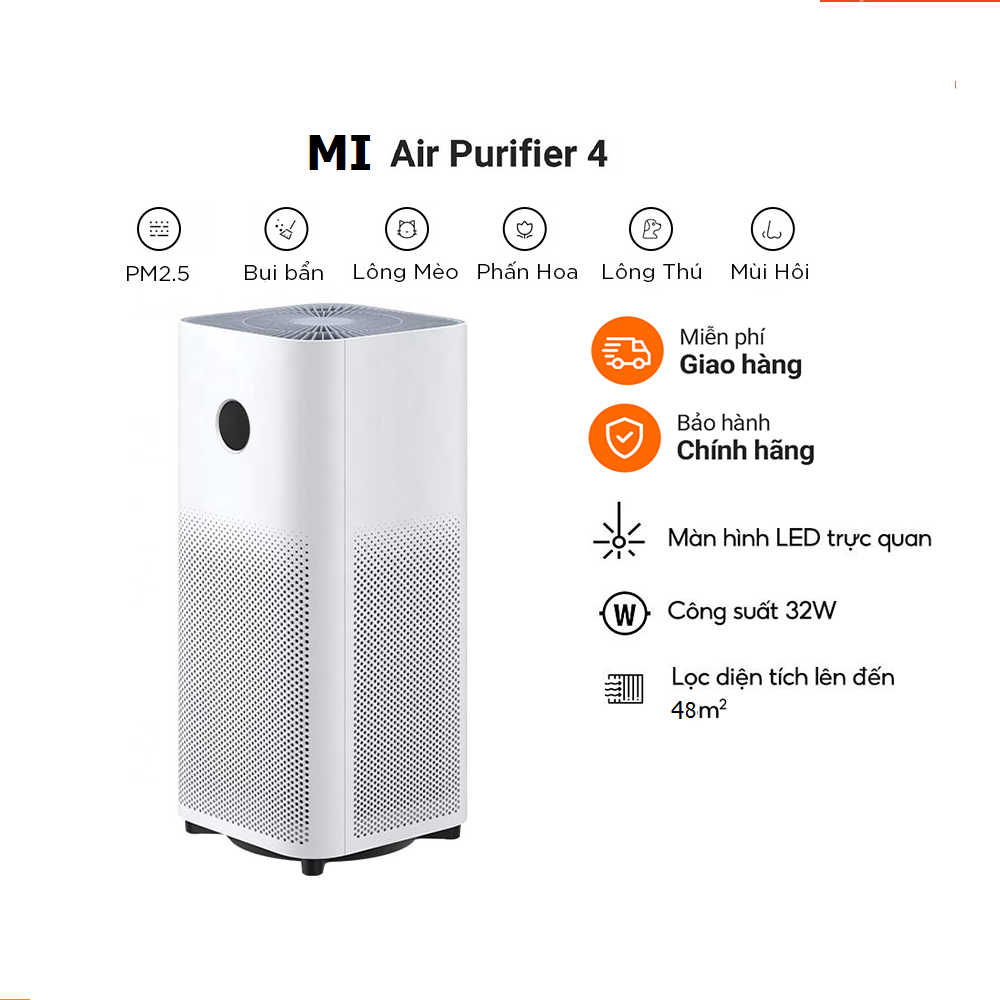
The true ingenuity lies in the sophisticated filtration systems within these devices. Let’s peel back the layers and understand how they tackle the invisible threats lurking in your air.
A Deep Dive into Filtration Technologies
Air purifiers employ various techniques, each designed to capture different types of pollutants:
- Mechanical Filtration (The HEPA Hero): This is the most common and often considered the most effective method for particulate matter. Mechanical filters, often made of dense, fibrous material, physically trap particles as air passes through them. The star of this show is the HEPA (High Efficiency Particulate Air) filter. A “True HEPA” filter is certified to capture 99.97% of airborne particles as small as 0.3 microns. These tiny particles include common allergens like dust, pollen, pet dander, and mold spores. For those seeking even higher standards, HEPA H13 filters offer enhanced filtration capabilities, often recommended for environments where minute particles are a significant concern. However, remember, these filters need regular cleaning or replacement to maintain their efficiency.
- Adsorption (The Odor Eliminator): Not all pollutants are solid particles. Many are gases and odors. This is where activated carbon filters shine. Through a process called adsorption, these highly porous carbon filters act like sponges, absorbing gaseous molecules such as Volatile Organic Compounds (VOCs) from cleaning supplies, paints, and air fresheners, as well as cooking smells, tobacco smoke, and pet odors. It’s crucial to understand that activated carbon doesn’t trap particles, so it’s almost always paired with a HEPA filter for comprehensive purification.
- Electrostatic Precipitation: These systems use an electrostatic charge to attract and trap airborne pollutants. Air passes through an ionization section where particles receive an electrical charge, which then causes them to stick to oppositely charged collector plates. These filters are highly efficient at capturing both large and very fine particles. They can be particularly effective against fine pollutants that other filter types might miss.
- UV-C Light (The Germ Warrior – with a caveat): Some air purifiers incorporate UV-C light, often alongside a photocatalytic catalyst (like titanium dioxide). The UV light energizes the catalyst, which then targets and destroys certain harmful gaseous pollutants, bacteria, and viruses. While promising, it’s important to note that some photocatalytic air purifiers can produce trace amounts of ozone, a known lung irritant and air pollutant.
- Ionic Filtration (The Particle Magnet – also with a caveat): Ionic purifiers release negatively charged ions into the air. These ions attach to airborne particles, making them heavier so they fall out of the air onto surfaces, or are attracted to a collection plate within the purifier. Like UV-C, some ionizers can produce ozone, so it’s vital to research models that are certified ozone-free.
“Understanding the different filtration technologies is key,” advises Dr. Anya Sharma, an Environmental Health Specialist. “A multi-stage system, typically combining a pre-filter, True HEPA, and activated carbon, offers the most robust defense against a wide array of indoor air contaminants, from microscopic allergens to persistent odors.”
Decoding Performance: CADR and ACH
When you’re shopping for a room air purifier, you’ll often encounter two important metrics:
- CADR (Clean Air Delivery Rate): This rating, established by the Association of Home Appliance Manufacturers (AHAM), measures how quickly an air purifier cleans a room of specific pollutants like smoke, pollen, and dust. A higher CADR indicates a faster cleaning rate for a larger area. For instance, if dust is a primary concern, look for a model with a high dust CADR.
- ACH (Air Changes Per Hour): This indicates how many times per hour the air in a room is completely filtered by the purifier. For optimal air quality, especially for allergy or asthma sufferers, an ACH rating of at least 4x is often recommended, meaning the air is refreshed roughly every 15 minutes.
“Don’t just look at the overall room size recommendation,” Dr. Sharma suggests. “Consider the CADR for specific pollutants you’re targeting, and aim for an ACH that suits your health needs. For instance, in a child’s bedroom or for someone with severe allergies, a higher ACH is always a smarter choice.”
Choosing Your Clean Air Companion: A Smart Buyer’s Guide
Selecting the right room air purifier can feel like navigating a maze, but armed with the right knowledge, you can make an informed decision that perfectly fits your lifestyle and needs.
Match the Purifier to Your Space
The first rule of thumb is simple: size matters. An air purifier that’s too small for your room won will struggle to clean the air effectively, while an oversized one might be overkill and consume unnecessary energy.
- Measure Your Room: Determine the square footage of the room where the purifier will be used most frequently.
- Check CADR and ACH: Align these ratings with your room size. Many manufacturers provide guidelines based on square footage and recommended ACH rates. For example, a living room might need a higher CADR unit than a small bedroom.
Prioritize Your Purification Needs
What exactly are you trying to remove from your air? Your specific concerns will dictate the ideal filter combination:
- Allergies and Asthma: Focus on True HEPA filters to capture pollen, dust mites, pet dander, and mold spores.
- Pet Owners: A combination of True HEPA and activated carbon is essential to tackle both dander and odors.
- Smoke and VOCs: Activated carbon is paramount for neutralizing smoke, cooking fumes, and volatile organic compounds. Some advanced models may also include specialized SCO (Selective Catalytic Oxidization) filters specifically for formaldehyde.
- General Air Quality: A multi-stage system with a pre-filter, True HEPA, and activated carbon offers excellent all-around performance.
Smart Features and Energy Efficiency
Modern room air purifiers come with a host of features designed to enhance convenience and performance:
- Smart Connectivity: Many models offer app and voice control, allowing you to monitor air quality, adjust settings, and even set schedules from your smartphone or through smart home assistants.
- Air Quality Sensors: Advanced purifiers include built-in sensors that detect particles, gases, VOCs, humidity, and temperature, automatically adjusting fan speed to maintain optimal air quality. This “auto mode” ensures efficient operation without constant manual intervention.
- Energy Efficiency: Look for models that are ENERGY STAR certified. These purifiers are designed to save energy, meaning lower electricity bills without compromising air cleaning effectiveness.
- Noise Level: Consider the noise output, especially if the purifier will be in a bedroom or office. Many units offer a “sleep mode” or very low fan speeds for quiet operation.
Usage and Maintenance: Keeping Your Air Purifier at Its Best
To truly reap the benefits of your room air purifier, consistent use and proper maintenance are non-negotiable.
- Run it Continuously: For sustained clean air, it’s recommended to leave your air purifier running almost constantly. Indoor air pollutants are continuously introduced, and a purifier needs to be working to capture them. Turning it off allows pollutants to accumulate, making the unit work harder later.
- Strategic Placement: Place your air purifier in the room where you spend the most time, or where air quality is a significant concern. The bedroom is often an excellent choice, as we spend roughly a third of our lives sleeping, and good sleep quality is directly linked to clean air.
- Regular Filter Replacement: This is perhaps the most critical maintenance step. Over time, filters become clogged with captured pollutants, reducing efficiency. Follow the manufacturer’s guidelines for filter cleaning or replacement. A clogged filter can’t do its job, negating the positive effects of owning an air purifier. Some models feature washable pre-filters, extending the life of your main HEPA and carbon filters.
- Keep Windows and Doors Closed: For the most effective purification, minimize the influx of outdoor pollutants by keeping windows and doors closed while your air purifier is running.
The Real Impact: Health Benefits and Quality of Life
Investing in a room air purifier isn’t just about cleaner air; it’s about investing in your health and overall well-being.
Alleviating Allergies and Asthma
For millions, allergies and asthma are a daily struggle. Airborne triggers like pollen, dust mites, pet dander, and mold spores can lead to coughing, wheezing, and even severe asthma attacks. A high-efficiency HEPA air purifier can significantly reduce these triggers, easing symptoms and leading to more comfortable breathing.
Neutralizing Harmful Chemicals and Odors
Our homes can be surprising sources of chemical pollutants. Cleaning products release ammonia and phthalates, new furniture can off-gas VOCs, and outdoor traffic can bring in nitrogen dioxide and carbon monoxide. Activated carbon filters excel at trapping these gaseous threats, preventing headaches, nausea, and long-term health risks associated with chronic exposure. Beyond health, they banish unpleasant odors, making your home smell genuinely fresh, not just masked.
Enhancing Sleep Quality
Imagine waking up feeling truly refreshed, without a stuffy nose or an irritated throat. By removing allergens and pollutants from your bedroom air, a room air purifier can dramatically improve sleep quality, leading to more energized days and peaceful nights.
A Defense Against Microscopic Threats
Beyond everyday pollutants, air purifiers can even play a role in safeguarding against airborne pathogens. Recent studies, including one from the University of Cambridge, have demonstrated the effectiveness of HEPA filter air purifiers in reducing airborne viruses, including SARS-CoV-2 (the virus responsible for COVID-19), within indoor environments. While not a standalone solution, it adds another layer of protection for you and your family.
Common Questions About Room Air Purifiers
Q: Can a single room air purifier clean my entire house?
A: Generally, no. Room air purifiers are designed to clean the air in a specific, contained space. For whole-house purification, you would either need multiple units strategically placed or a whole-home HVAC filtration system.
Q: Do air purifiers make a lot of noise?
A: Modern air purifiers vary in noise level. Many models feature quiet or “sleep” modes that operate at very low decibels, making them suitable for bedrooms. Higher fan speeds will naturally produce more noise.
Q: How often should I replace the filters?
A: Filter replacement frequency depends on the filter type, usage, and ambient air quality. Most HEPA filters need replacement every 6-12 months, while activated carbon filters might need it every 3-6 months. Always refer to your specific model’s manual.
Q: Are air purifiers expensive to run?
A: Running costs depend on the model’s energy consumption and electricity rates. However, many new air purifiers are designed to be energy-efficient, especially ENERGY STAR certified models, which can significantly reduce operating costs.
Q: Can air purifiers help with pet dander and odors?
A: Absolutely! Air purifiers with True HEPA filters are excellent at capturing pet dander, while activated carbon filters are highly effective at neutralizing pet odors, keeping your home smelling fresh.
Your Path to Purer Air
A room air purifier is more than just an appliance; it’s a commitment to a healthier living environment. By understanding how these clever devices work, what features matter most, and how to maintain them, you empower yourself to make the best choice for your home and your family’s well-being.
Take the leap towards a cleaner, fresher home. Experience the difference a room air purifier can make – a difference you can truly feel with every breath.
|
Our Picks for the Best Air Purifier in 2026
As an Amazon Associate I earn from qualifying purchases.
|
||
| Num | Product | Action |
|---|---|---|
| 1 | Air Purifiers for Home with H13 True HEPA Filter Up to 1076 Ft² for Pet Hair, Odors, Pollen, Smoke, Compact Air Cleaner with 3 Speeds, Timer, Aroma Quiet 360°Intake Filter, White |

|
| 2 | Plug In Negative Ion Air Purifier, with Colorful Night Light, with One Replacement Filter, for Home, Kitchen, Bathroom,Toilet |
|
| 3 | LEVOIT Air Purifiers for Bedroom Home Dorm, 3-in-1 Filter Cleaner with Fragrance Sponge for Better Sleep,Portable Filters Smoke, Allergens, Pet Dander, Odor, Dust, Office, Desktop, Core Mini-P, White |
|
| 4 | KNKA Air Purifier for Home Bedroom Large Room Up to 3,500 Ft², HEPA Air Cleaner with Washable Pre-Filter, AHAM VERIFIDE, AQI Display, ECO Mode, Pet Mode for Pets, Allergies, Dust, Pollen, APH4000 |
|
| 5 | AIRDOCTOR 3000 Series (AirDoctor 3000) |
|
| 6 | LEVOIT Air Purifier for Home Allergies Pet Hair in Bedroom, Covers Up to 1073 ft² by 56W High Torque Motor, AHAM VERIFIDE, 3-in-1 Filter with HEPA Sleep Mode, Remove Dust Smoke Odor, Core300-P, White |
|
| 7 | GermGuardian 4-In-1 HEPA Air Purifier for Home, Large Rooms Up To 743 Sq. Ft. with HEPA Air Filter, UV-C Light & Odor Reduction, AC4825E, 22\" Tower, Gray |
|
| 8 | LEVOIT Air Purifier for Home Large Room Up to 1073Ft² with Air Quality Monitor, AHAM VERIFIDE, Smart WiFi, Washable Pre-Filter, HEPA Sleep Mode for Pets, Allergies, Dust, Pollen, Vital 100S-P, White |
|
| 9 | 3 Pcs 2026 New Magair Air Purifier For M0ld, Magair Air Purifier Plug In No Filter Replacement, Mag Air Purifiers, Living Room,Pet Room, Air Purifiers For Bedroom |
|
| 10 | KNKA Genuine Air Purifier Replacement Filter, True HEPA Filter Compatible with APH30000 for High-Efficiency Air Filtration, Odor and Smoke Reduction, Pet Dander Version, 2 Pack |
|