Ever walked into a room and just felt… a difference? Perhaps the air felt fresher, or that pesky dust seemed less noticeable. In our modern homes, indoor air quality is a growing concern, often overlooked despite its profound impact on our well-being. This is where a Dyson fan air purifier steps in, offering a sophisticated blend of cutting-edge technology and sleek design to transform your living space. More than just a fan, this innovative appliance actively cleans the air you breathe while keeping you cool (or warm!), making it a cornerstone for a healthier home environment.
|
Our Picks for the Best Air Purifier in 2026
As an Amazon Associate I earn from qualifying purchases.
|
||
| Num | Product | Action |
|---|---|---|
| 1 | GermGuardian 4-In-1 HEPA Air Purifier for Home, Large Rooms Up To 743 Sq. Ft. with HEPA Air Filter, UV-C Light & Odor Reduction, AC4825E, 22\" Tower, Gray |

|
| 2 | Plug In Negative Ion Air Purifier, with Colorful Night Light, with One Replacement Filter, for Home, Kitchen, Bathroom,Toilet |
|
| 3 | AIRDOCTOR 3000 Series (AirDoctor 3000) |
|
| 4 | Air Purifiers for Home with H13 True HEPA Filter Up to 1076 Ft² for Pet Hair, Odors, Pollen, Smoke, Compact Air Cleaner with 3 Speeds, Timer, Aroma Quiet 360°Intake Filter, White |
|
| 5 | KNKA Genuine Air Purifier Replacement Filter, True HEPA Filter Compatible with APH30000 for High-Efficiency Air Filtration, Odor and Smoke Reduction, Pet Dander Version, 2 Pack |
|
| 6 | LEVOIT Air Purifiers for Bedroom Home Dorm, 3-in-1 Filter Cleaner with Fragrance Sponge for Better Sleep,Portable Filters Smoke, Allergens, Pet Dander, Odor, Dust, Office, Desktop, Core Mini-P, White |
|
| 7 | LEVOIT Air Purifier for Home Large Room Up to 1073Ft² with Air Quality Monitor, AHAM VERIFIDE, Smart WiFi, Washable Pre-Filter, HEPA Sleep Mode for Pets, Allergies, Dust, Pollen, Vital 100S-P, White |
|
| 8 | LEVOIT Air Purifier for Home Allergies Pet Hair in Bedroom, Covers Up to 1073 ft² by 56W High Torque Motor, AHAM VERIFIDE, 3-in-1 Filter with HEPA Sleep Mode, Remove Dust Smoke Odor, Core300-P, White |
|
| 9 | 3 Pcs 2026 New Magair Air Purifier For M0ld, Magair Air Purifier Plug In No Filter Replacement, Mag Air Purifiers, Living Room,Pet Room, Air Purifiers For Bedroom |
|
| 10 | KNKA Air Purifier for Home Bedroom Large Room Up to 3,500 Ft², HEPA Air Cleaner with Washable Pre-Filter, AHAM VERIFIDE, AQI Display, ECO Mode, Pet Mode for Pets, Allergies, Dust, Pollen, APH4000 |
|
The Heart of Clean Air: Understanding Dyson’s Purification Technology
At first glance, a Dyson fan air purifier stands out with its signature bladeless design. But its elegance is matched by advanced engineering focused on delivering pristine air. These devices aren’t just about moving air; they’re about meticulously cleaning it.
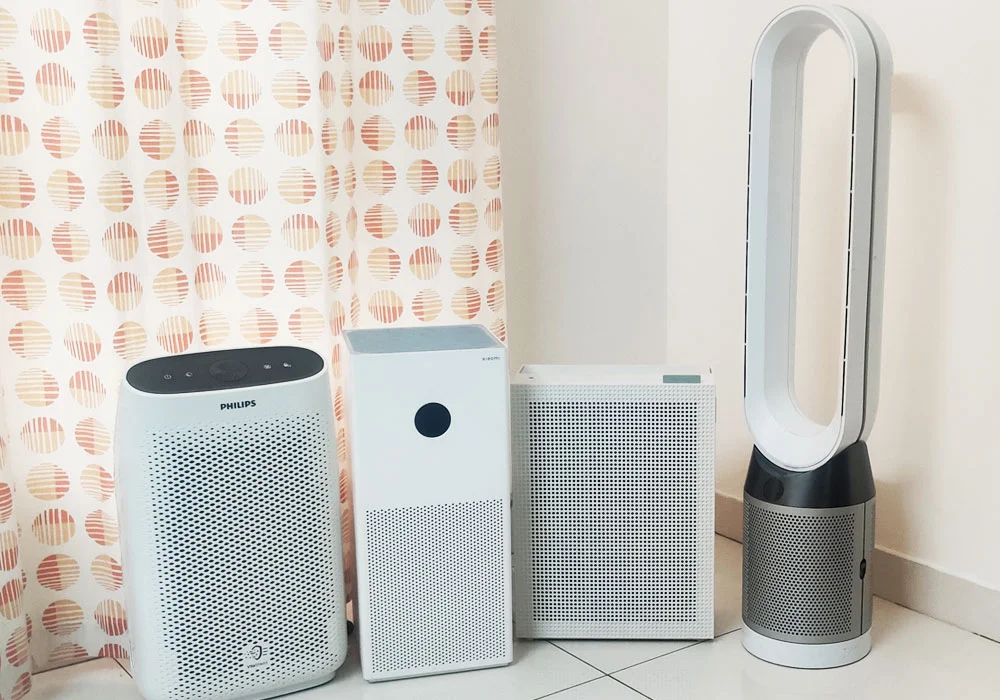
Beyond the Blades: How Dyson Fans Work
Dyson’s iconic bladeless design is more than just a visual statement; it’s a testament to their “Air Multiplier” technology. Instead of traditional spinning blades, these devices draw in surrounding air and amplify it, projecting a smooth, powerful, and continuous stream of purified airflow. This creates a comfortable breeze throughout your room, reaching every corner for consistent air treatment. The bladeless design also makes them safer and easier to clean than conventional fans.
The Power of Filtration: HEPA and Activated Carbon
Central to the effectiveness of any Dyson fan air purifier is its robust filtration system. Most models incorporate a dual-layer filter:
- HEPA H13 Filter: This high-efficiency particulate air filter is meticulously engineered to capture 99.95% of microscopic pollutants as small as 0.2 microns. Think of it as a microscopic net, trapping everything from common allergens like pollen, pet dander, and dust mites to harmful particles from pollution and bacteria. This level of filtration is crucial for anyone sensitive to airborne irritants or living in urban environments.
- Activated Carbon Filter: Complementing the HEPA filter, a layer of activated carbon granules works tirelessly to absorb gases, odors, and volatile organic compounds (VOCs). These can emanate from everyday sources like cleaning products, paints, cooking fumes, and even new furniture. While some Dyson models, like the TP10, might not automatically detect VOCs, the carbon filter actively works to clear them from your air.
Smart Sensing for Real-Time Insights
What truly sets a Dyson fan air purifier apart is its intelligence. Equipped with precision sensors, these machines constantly monitor your indoor air quality. They detect particulate matter (PM) at various sizes, specifically PM2.5 (fine inhalable particles) and PM10 (coarse inhalable particles), and in some advanced models, even formaldehyde and other gases.
This real-time data is displayed on an integrated LCD screen, often color-coded to give you an instant understanding of your air’s health. More importantly, this sensing capability powers the “Auto mode.” When poor air quality is detected, the Dyson automatically kicks into action, adjusting fan speed and purification intensity until optimal air quality is restored. This proactive approach ensures your home always has clean air without you having to constantly adjust settings. The TP10 model, for instance, can detect and react to contamination like dry shampoo particles in about 16 seconds and clear them to a healthy level within a minute.
Why Choose a Dyson Fan Air Purifier? The Blend of Form and Function
A Dyson fan air purifier isn’t just another gadget; it’s an investment in your home’s health and aesthetic. It offers a unique combination of benefits that go beyond simple air purification.
Design That Elevates Your Home
Let’s be honest: many air purifiers are, well, boxy and not exactly a centerpiece. Dyson, however, has revolutionized this. Their purifying fans feature a sleek, modern, and distinctly bladeless tower design that blends seamlessly into any contemporary living space. They are often described as attractive, making them an appliance you wouldn’t mind having on display. This compact footprint is particularly advantageous if you’re short on space, as it combines two or even three appliances into one elegant unit.
More Than Just a Breeze: Cooling and Heating Capabilities
Many Dyson purifying fans serve a dual purpose, acting as powerful cooling fans that can circulate air throughout a room. Some premium models, like the Dyson Purifier Hot+Cool, even offer heating functions, making them versatile year-round companions. Imagine having one device that purifies your air, keeps you cool during summer, and warms your room in winter. This multi-functionality reduces clutter and enhances comfort.
Seamless Integration: Smart Features and App Control
For those who love smart home technology, many Dyson fan air purifiers deliver. Higher-end models, such as the Purifier Cool TP07 or Hot+Cool, offer Wi-Fi connectivity, allowing you to control them remotely via the MyDyson app. This app provides detailed historical air quality data, enables you to schedule operations, and lets you monitor your indoor environment from anywhere. You can also integrate them with voice assistants like Amazon Alexa, Google Assistant, and Siri Shortcuts for hands-free control. This level of convenience truly brings air purification into the modern smart home ecosystem. However, it’s worth noting that some entry-level models, like the TP10 Gen1, may lack app compatibility, relying solely on a magnetic remote control.
Choosing Your Perfect Dyson: Key Considerations
Selecting the right Dyson fan air purifier involves weighing various factors to ensure it meets your specific needs and expectations.
Understanding Different Models (e.g., TP07, TP10, Hot+Cool)
Dyson offers a range of purifying fans, each with slightly different features. The TP series (like TP07, TP10) primarily focuses on purification and cooling. The Hot+Cool series (e.g., Purifier Hot+Cool Formaldehyde) adds heating capabilities. Newer models often feature enhanced sensors for formaldehyde or improved filtration efficiency. Researching the latest models will help you understand their specific advancements. For instance, the TP07 showed major improvements in air cleaning performance and fan speed over earlier models.
Room Size and Coverage
While Dyson purifiers are powerful, consider the size of the room you intend to use it in. They are generally effective for small to medium-sized rooms, providing consistent air circulation and purification. Always check the manufacturer’s recommendations for room size suitability to ensure optimal performance.
Smart Features: Do You Need Them?
The appeal of app control and voice commands is undeniable for many. If you value the ability to monitor air quality remotely, set schedules, or integrate with your smart home system, investing in a model with these features is a wise choice. However, if you prefer simplicity and are content with manual or remote control, a model without advanced smart features, like the TP10 Gen1, might save you some money while still offering excellent core performance.
The Investment: Price vs. Performance
Dyson products are known for their premium price tag, and their fan air purifiers are no exception, often ranging from around $300 to over $700 depending on the model and features. While the upfront cost is significant, consider the value of a multi-functional device that combines a powerful fan, an effective air purifier, and sometimes a heater, all in one sleek unit. Replacement filters also represent an ongoing cost, typically around $80-100 annually, assuming 12 hours of daily use. Weigh this against the cost of buying separate high-quality appliances and the space they would occupy.
Living with Your Dyson: Usage and Maintenance Tips
To maximize the benefits and longevity of your Dyson fan air purifier, a few simple practices go a long way.
Optimal Placement for Maximum Efficacy
For the best results, place your Dyson purifier in a central location within the room, away from walls or obstructions that could hinder airflow. This allows it to draw in air from all directions and distribute purified air evenly. Its compact footprint makes it an excellent option if you’re short on space.
Filter Care: When and How to Replace
The HEPA and activated carbon filters are crucial for cleaning your air, but they don’t last forever. Dyson typically recommends replacing them annually, assuming 12 hours of daily use. Your device will usually notify you when it’s time for a change, and the filters are designed for easy, tool-free replacement. Neglecting filter changes will significantly reduce purification effectiveness.
Making the Most of Auto Mode
The Auto mode is your best friend for effortless air quality management. By enabling continuous monitoring (often a simple setting in the app or via remote), your Dyson will automatically detect changes in airborne pollutants and adjust its operation accordingly. This ensures your air is consistently clean without you having to constantly monitor or manually adjust settings.
Dispelling Common Myths and Maximizing Benefits
It’s easy to misunderstand what a Dyson fan air purifier truly offers. Let’s clear up some common misconceptions and highlight the real impact it can have.
Myth: All Air Purifiers Are Equal
“In my years studying indoor environments, I’ve seen firsthand how integrated solutions like the Dyson fan air purifier can simplify healthy living,” states Dr. Anya Sharma, a leading expert in Environmental Health Sciences. “It’s not just about filtration; it’s about intelligent monitoring and efficient air circulation, all within a beautifully designed package.” While many air purifiers filter particles, Dyson differentiates itself with superior fan technology, smart sensing, and elegant design. Cheaper models might offer similar particle removal, but often lack the powerful airflow, real-time data, and smart home integration.
Myth: It’s Just a Fan
This is perhaps the most common misconception. While Dyson purifying fans excel at circulating air, their core function includes sophisticated air purification. They actively capture pollutants that a regular fan simply moves around. Older models were sometimes criticized for being “80% fan and 20% purifier,” but newer generations show significant improvements in air cleaning performance.
Real Benefits: Health and Well-being
The impact of breathing cleaner air on your health and quality of life is profound. A Dyson fan air purifier can significantly reduce the presence of allergens, dust, and other irritants in your home, potentially leading to:
- Reduced Allergy Symptoms: Less pollen and pet dander can mean fewer sneezes and clearer breathing.
- Better Sleep Quality: A cleaner bedroom environment can promote more restful sleep.
- Improved Respiratory Health: Especially beneficial for those with asthma or other respiratory conditions.
- Fresher Indoor Environment: By removing odors and pollutants, your home will simply feel cleaner and more inviting.
Frequently Asked Questions
Is a Dyson fan air purifier worth the high price?
For many, the Dyson fan air purifier is worth the investment due to its unique combination of powerful fan performance, advanced air purification, sleek design, and smart features. While you might find cheaper standalone purifiers or fans, the Dyson offers a premium two-in-one or three-in-one solution that reduces clutter and integrates seamlessly into a modern home.
How often do I need to replace the filter?
Dyson generally recommends replacing the filters about once every 12 months, assuming you use the device for 12 hours a day. Your specific model will usually indicate when a filter change is due.
Can it remove odors from cooking or pets?
Yes, thanks to its activated carbon filter, Dyson fan air purifiers are designed to capture gases and odors, including those from cooking, pets, and household chemicals. However, some users note that while it clears particulates quickly, its impact on strong odors might be less noticeable.
Does it detect VOCs?
Some advanced Dyson models are equipped with sensors to detect VOCs (volatile organic compounds), formaldehyde, and other gases, allowing them to react automatically. Entry-level models may not detect VOCs, but their activated carbon filters still work to clear them from the air.
Can I use the fan and purifier functions independently?
Many Dyson fan air purifiers are designed to operate with both fan and purification elements active. For some models, the purifier doesn’t work independently from the fan, which is a consideration if you only want purification without airflow, especially in colder months.
Conclusion
The Dyson fan air purifier isn’t just an appliance; it’s a statement about prioritizing clean air and intelligent living. By blending powerful air purification with effective fan (and often heating) technology, all encased in an iconic design, it offers a comprehensive solution for improving your indoor environment. As we navigate an increasingly polluted world, taking control of the air inside our homes becomes paramount. Choosing a Dyson fan air purifier means choosing innovation, style, and, most importantly, the assurance of cleaner, fresher air for you and your loved ones.