In the sanctuary of our homes, an invisible world thrives—a world of tiny particles, pollutants, and allergens that can silently impact our well-being. From dust and pet dander to volatile organic compounds (VOCs) and unseen microbes, indoor air quality is often far more compromised than the air outside. This is where the concept of a “living air purifier” emerges: not just a functional appliance, but a seamless extension of your home designed to protect your health while enhancing your living space.
The Unseen World Inside Your Home: Why Air Quality Matters
It’s easy to assume our homes are safe havens, yet studies suggest indoor air can be five times more polluted than outdoor air, a surprising truth for many. This is due to a cocktail of everyday culprits. Think of the dust bunnies under the sofa, the lingering scent from cooking, the dander from beloved pets, or even the off-gassing from new furniture and cleaning products. These elements release microscopic particles into the air, creating a constant challenge for our respiratory systems.
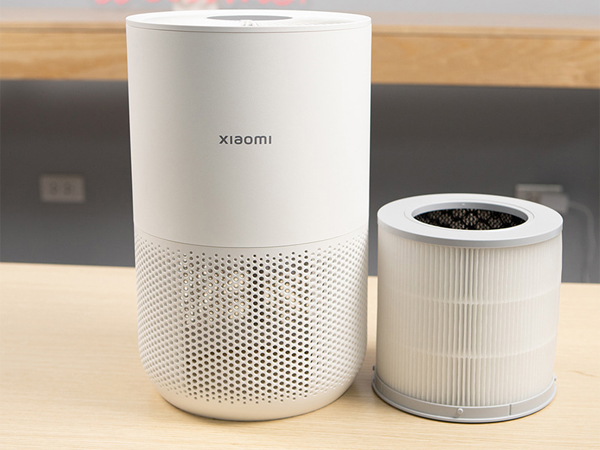
Exposure to poor indoor air quality isn’t just about a stuffy nose; it can manifest in a range of health issues. For allergy and asthma sufferers, airborne irritants like pollen, dust mites, and pet dander can trigger uncomfortable symptoms and even severe flare-ups. Beyond respiratory concerns, compromised air quality has been linked to disrupted sleep, fatigue, “brain fog,” and even increased cardiovascular stress. Investing in a solution like a living air purifier becomes crucial for safeguarding overall health and enhancing daily comfort.
What Makes an Air Purifier “Living”? Blending Performance with Lifestyle
A living air purifier isn’t merely about filtration; it’s about thoughtful integration into your home and lifestyle. It marries advanced air purification capabilities with user-centric design, quiet operation, and smart features that align with modern living. The goal is to purify your air without disrupting your peace or aesthetics.
Core Technologies for Pure Air
At the heart of any effective air purification system are its filtration technologies. Understanding these helps you appreciate how a living air purifier delivers clean air.
- HEPA Filters: The Gold Standard for Particles
High-Efficiency Particulate Air (HEPA) filters are widely regarded as the benchmark for particle removal. These dense, fibrous filters are designed to capture an astounding 99.97% of airborne particles as small as 0.3 microns. This includes common allergens like pollen, pet dander, mold spores, and dust mites, as well as bacteria and certain viruses. Many health professionals recommend HEPA filtration as a primary defense against airborne irritants, making it an essential component of any robust living air purifier. - Activated Carbon Filters: Tackling Odors and VOCs
While HEPA filters excel at trapping solid particles, they don’t address gaseous pollutants. This is where activated carbon filters come in. Made from highly porous carbon, these filters use adsorption—a process where gases chemically bind to the carbon’s surface—to effectively remove odors from cooking, pets, and smoke. More importantly, they tackle harmful volatile organic compounds (VOCs) released from household chemicals, paints, and building materials, contributing significantly to a fresher, safer indoor environment. - UV Light Sterilization (Optional Layer of Defense)
Some advanced air purifiers incorporate UV-C light sterilization. This technology uses a specific band of ultraviolet radiation to neutralize airborne pathogens like bacteria, mold spores, and viruses by disrupting their DNA and RNA. While often found in larger, commercial systems, UV-C can provide an additional layer of germicidal protection in residential settings when integrated carefully and safely into a living air purifier. - Ionization (With Caution)
Ionization technology releases negative ions into the air, causing airborne particles to clump together and settle out or be more easily captured by other filters. While effective for ultrafine particles, some experts caution that certain ionization methods can produce ozone as a byproduct, which itself is an air pollutant. For a truly healthy living air purifier experience, it’s wise to prioritize HEPA and activated carbon filtration, or ensure any ionization feature is ozone-free.
Choosing Your Ideal Living Air Purifier: A Smart Homeowner’s Guide
Selecting the right living air purifier means considering how it will integrate into your daily life. It’s a balance of performance, practical features, and personal preference.
How do you determine the right size for an air purifier?
The effectiveness of an air purifier hinges on its ability to clean the air in a specific space. Look for the Clean Air Delivery Rate (CADR), which indicates how quickly the purifier can remove pollutants from a room. A good rule of thumb is to choose a purifier with a CADR that is at least two-thirds the square footage of your room. Underpowering your space will lead to disappointing results, so accurately measuring your room is key to finding a living air purifier that truly performs.
What makes an air purifier quiet enough for a bedroom?
Noise level is a critical factor, especially if you plan to use your living air purifier in a bedroom or a quiet living area. Look for models that operate below 50 decibels (dBA) on their highest setting, and ideally much lower on their sleep or lowest settings. Many top-tier purifiers are designed to be whisper-quiet, ensuring they purify the air without disrupting your sleep or conversations.
How does energy efficiency impact an air purifier’s running costs?
Since your living air purifier will likely run for many hours a day, energy efficiency is paramount. Check the unit’s energy consumption (often measured in kilowatt-hours, kWh). Energy-efficient models can significantly reduce your electricity bill over time, making them a more economical and environmentally friendly choice in the long run.
How important is design for a living air purifier?
For many, an air purifier is no longer a hidden appliance. Modern living air purifiers are designed to complement your home decor, offering sleek lines, neutral colors, and compact footprints that blend seamlessly into any room. Some even feature unique finishes or wall-mountable options, allowing them to become part of your home’s aesthetic rather than an eyesore. Consider how the purifier’s design will integrate with your existing furniture and style.
What smart features should I look for in a modern air purifier?
Smart features enhance convenience and effectiveness. Many living air purifiers now come with app control, allowing you to monitor air quality, adjust settings, and even schedule operation remotely from your smartphone. Auto mode, which automatically adjusts fan speed based on real-time air quality sensor readings, ensures optimal purification without constant manual intervention. Look for clear air quality indicators, child locks, and filter replacement alerts for a truly hassle-free experience.
Maximizing Your Clean Air Experience: Usage and Maintenance
To get the most out of your living air purifier, a few simple practices go a long way.
- Optimal Placement: Position your air purifier as centrally as possible in the room, away from walls or large furniture, to allow for optimal airflow. Placing it near common airflow sources like doorways can also enhance its efficiency.
- Filter Replacement: Most HEPA and activated carbon filters need to be replaced every 6 to 12 months, depending on usage and air quality. Neglecting this can significantly reduce effectiveness. Many modern living air purifiers include indicator lights or app notifications to remind you.
- Regular Cleaning: Periodically wipe down the exterior of your unit and clean any washable pre-filters to prevent dust buildup and maintain efficiency.
- Keep Windows Closed: While fresh air is good, for your air purifier to work most effectively, keep windows and doors closed in the room it’s operating in. This helps it efficiently recirculate and clean the existing indoor air.
Expert Insight: A Holistic View on Indoor Air Quality
“Achieving truly clean indoor air is a continuous journey, not a one-time fix,” says Dr. Lena Hanson, an Environmental Health Specialist. “A high-quality living air purifier is a cornerstone of this effort, but it works best when integrated with other healthy home habits. Regular cleaning, adequate ventilation, and choosing low-VOC products all contribute to a holistic approach to indoor air quality that protects your family’s health and enhances your living environment.”
Common Misconceptions About Home Air Purification
- Air purifiers replace cleaning: While they significantly reduce airborne dust and allergens, air purifiers don’t eliminate particles that have already settled on surfaces. Regular vacuuming, dusting, and wiping are still essential.
- They affect oxygen levels: Air purifiers simply filter and recirculate the existing air; they do not remove or add oxygen to the room.
- All purifiers are created equal: Different technologies target different pollutants. A HEPA filter is crucial for particles, while activated carbon is necessary for gases and odors. Be wary of purifiers making unrealistic claims or those that produce ozone.
FAQs
How often should I change my air purifier filter?
It’s recommended to change filters every 6 to 12 months, depending on usage and air quality. Many models have indicators or app notifications to alert you.
Can a living air purifier help with pet allergies?
Absolutely. High-efficiency HEPA filters in living air purifiers are highly effective at capturing pet dander, a common allergen, significantly reducing symptoms for allergy sufferers.
Where is the best place to put an air purifier?
For optimal performance, place your living air purifier centrally in the room, away from walls and furniture, to allow for maximum air intake and circulation.
Do air purifiers really make a difference?
Yes, they do. By removing airborne pollutants like dust, allergens, smoke, and VOCs, air purifiers can noticeably improve indoor air quality, leading to better respiratory health, reduced allergy symptoms, and a fresher home environment.
Are quiet air purifiers effective?
Modern technology allows many quiet air purifiers to be highly effective. Look for models with low decibel ratings (under 50 dBA) that still boast high CADR values and multi-stage filtration.
Embrace Cleaner Living
In today’s world, a healthy home is a truly comfortable home. Investing in a living air purifier from CleanAir Home isn’t just about buying an appliance; it’s about embracing a lifestyle where clean air is a given, and your health and well-being are prioritized. With the right purification system, you can breathe easier, sleep better, and enjoy a home that feels as fresh and vibrant as it looks. Discover the perfect blend of performance, design, and tranquility that a modern living air purifier can bring to your life.
|
Our Picks for the Best Air Purifier in 2026
As an Amazon Associate I earn from qualifying purchases.
|
||
| Num | Product | Action |
|---|---|---|
| 1 | KNKA Air Purifier for Home Bedroom Large Room Up to 3,500 Ft², HEPA Air Cleaner with Washable Pre-Filter, AHAM VERIFIDE, AQI Display, ECO Mode, Pet Mode for Pets, Allergies, Dust, Pollen, APH4000 |

|
| 2 | Air Purifiers for Home with H13 True HEPA Filter Up to 1076 Ft² for Pet Hair, Odors, Pollen, Smoke, Compact Air Cleaner with 3 Speeds, Timer, Aroma Quiet 360°Intake Filter, White |
|
| 3 | 3 Pcs 2026 New Magair Air Purifier For M0ld, Magair Air Purifier Plug In No Filter Replacement, Mag Air Purifiers, Living Room,Pet Room, Air Purifiers For Bedroom |
|
| 4 | KNKA Genuine Air Purifier Replacement Filter, True HEPA Filter Compatible with APH30000 for High-Efficiency Air Filtration, Odor and Smoke Reduction, Pet Dander Version, 2 Pack |
|
| 5 | Plug In Negative Ion Air Purifier, with Colorful Night Light, with One Replacement Filter, for Home, Kitchen, Bathroom,Toilet |
|
| 6 | AIRDOCTOR 3000 Series (AirDoctor 3000) |
|
| 7 | LEVOIT Air Purifier for Home Allergies Pet Hair in Bedroom, Covers Up to 1073 ft² by 56W High Torque Motor, AHAM VERIFIDE, 3-in-1 Filter with HEPA Sleep Mode, Remove Dust Smoke Odor, Core300-P, White |
|
| 8 | LEVOIT Air Purifiers for Bedroom Home Dorm, 3-in-1 Filter Cleaner with Fragrance Sponge for Better Sleep,Portable Filters Smoke, Allergens, Pet Dander, Odor, Dust, Office, Desktop, Core Mini-P, White |
|
| 9 | LEVOIT Air Purifier for Home Large Room Up to 1073Ft² with Air Quality Monitor, AHAM VERIFIDE, Smart WiFi, Washable Pre-Filter, HEPA Sleep Mode for Pets, Allergies, Dust, Pollen, Vital 100S-P, White |
|
| 10 | GermGuardian 4-In-1 HEPA Air Purifier for Home, Large Rooms Up To 743 Sq. Ft. with HEPA Air Filter, UV-C Light & Odor Reduction, AC4825E, 22\" Tower, Gray |
|