Ever walk into your home and feel like the air is, well, just there? Maybe a little stale, perhaps carrying the faint scent of dinner from last night, or triggering a subtle sniffle. We spend so much of our lives indoors, and the quality of the air we breathe inside can have a profound impact on our health and well-being. That’s where a HEPA filter air purifier steps in, acting as your silent guardian, tirelessly working to transform your living spaces into havens of fresh, invigorating air. It’s not just about removing visible dust; it’s about tackling the invisible threats that constantly circulate around us.
|
Our Picks for the Best Air Purifier in 2026
As an Amazon Associate I earn from qualifying purchases.
|
||
| Num | Product | Action |
|---|---|---|
| 1 | Plug In Negative Ion Air Purifier, with Colorful Night Light, with One Replacement Filter, for Home, Kitchen, Bathroom,Toilet |

|
| 2 | KNKA Air Purifier for Home Bedroom Large Room Up to 3,500 Ft², HEPA Air Cleaner with Washable Pre-Filter, AHAM VERIFIDE, AQI Display, ECO Mode, Pet Mode for Pets, Allergies, Dust, Pollen, APH4000 |
|
| 3 | GermGuardian 4-In-1 HEPA Air Purifier for Home, Large Rooms Up To 743 Sq. Ft. with HEPA Air Filter, UV-C Light & Odor Reduction, AC4825E, 22\" Tower, Gray |
|
| 4 | 3 Pcs 2026 New Magair Air Purifier For M0ld, Magair Air Purifier Plug In No Filter Replacement, Mag Air Purifiers, Living Room,Pet Room, Air Purifiers For Bedroom |
|
| 5 | Air Purifiers for Home with H13 True HEPA Filter Up to 1076 Ft² for Pet Hair, Odors, Pollen, Smoke, Compact Air Cleaner with 3 Speeds, Timer, Aroma Quiet 360°Intake Filter, White |
|
| 6 | LEVOIT Air Purifier for Home Large Room Up to 1073Ft² with Air Quality Monitor, AHAM VERIFIDE, Smart WiFi, Washable Pre-Filter, HEPA Sleep Mode for Pets, Allergies, Dust, Pollen, Vital 100S-P, White |
|
| 7 | LEVOIT Air Purifiers for Bedroom Home Dorm, 3-in-1 Filter Cleaner with Fragrance Sponge for Better Sleep,Portable Filters Smoke, Allergens, Pet Dander, Odor, Dust, Office, Desktop, Core Mini-P, White |
|
| 8 | AIRDOCTOR 3000 Series (AirDoctor 3000) |
|
| 9 | LEVOIT Air Purifier for Home Allergies Pet Hair in Bedroom, Covers Up to 1073 ft² by 56W High Torque Motor, AHAM VERIFIDE, 3-in-1 Filter with HEPA Sleep Mode, Remove Dust Smoke Odor, Core300-P, White |
|
| 10 | KNKA Genuine Air Purifier Replacement Filter, True HEPA Filter Compatible with APH30000 for High-Efficiency Air Filtration, Odor and Smoke Reduction, Pet Dander Version, 2 Pack |
|
What Exactly is a HEPA Filter Air Purifier?
So, what’s the big deal about HEPA? HEPA stands for High-Efficiency Particulate Air, and it’s a standard, not just a brand name. To earn the “True HEPA” designation, a filter must meet rigorous standards, meaning it’s certified to capture at least 99.97% of airborne particles that are 0.3 microns in diameter. To put that into perspective, a human hair is about 50 to 150 microns thick—so we’re talking about incredibly tiny particles here. These filters are crafted from a dense, randomly arranged mat of fibers, designed to catch even the most elusive pollutants. Beware of “HEPA-like” or “HEPA-type” labels; these filters often don’t meet the stringent efficiency requirements of a true HEPA filter.
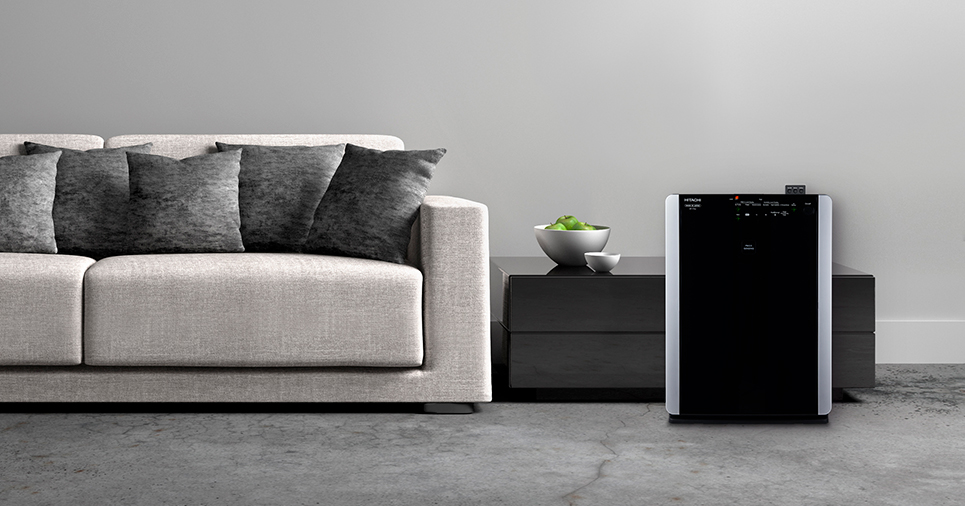
How Does a HEPA Filter Air Purifier Work Its Magic?
A HEPA filter isn’t just a simple sieve; its brilliance lies in three distinct mechanical filtration methods that work together to trap particles of all sizes. As air is drawn through the filter by a fan, particles encounter these fibers and are captured:
- Diffusion: This mechanism is primarily for the smallest, most elusive particles, typically those under 0.1 microns, like certain viruses. These tiny particles move erratically, colliding with gas molecules and eventually getting stuck to the filter fibers.
- Interception: Slightly larger particles, which are still small enough to flow with the air, get caught when they come into direct contact with a fiber and adhere to it. Think of it like a sticky web.
- Impaction: The largest particles, too heavy to navigate around the fibers with the air current, directly collide with the fibers and become embedded.
This combination of forces allows a HEPA filter air purifier to effectively trap a wide spectrum of airborne contaminants, from the largest dust bunnies to microscopic pathogens. This advanced filtration system is why HEPA technology is considered the gold standard in air purification.
Why is a HEPA Filter Air Purifier a Game-Changer for Your Health?
Investing in a HEPA filter air purifier is a proactive step towards safeguarding your family’s health and enhancing your daily comfort. These devices address a multitude of indoor air quality concerns, making a tangible difference in your living environment.
Who benefits most from a HEPA air purifier?
A HEPA air purifier can be a lifeline for many, especially those with sensitivities or living in areas with higher pollution. Allergy and asthma sufferers find significant relief as common triggers like pollen, dust mites, and pet dander are efficiently removed. Pet owners can reduce airborne dander and allergens, creating a more comfortable home. Families with young children or elderly members also benefit from cleaner air, as these demographics are often more vulnerable to respiratory issues. Even city dwellers exposed to outdoor pollutants infiltrating their homes will notice a marked improvement in air quality.
Beyond just allergies, a HEPA filter air purifier is adept at combating a range of other indoor pollutants:
- Mold Spores: These microscopic spores can trigger allergic reactions and respiratory problems. HEPA filters effectively capture them before they can settle and multiply.
- Bacteria and Viruses: While some viruses are smaller than 0.3 microns, HEPA filters are surprisingly effective at capturing many of these tiny invaders through the diffusion mechanism, reducing their spread. Medical-grade HEPA filters (H13 and H14) offer even higher efficiency against such minuscule particles.
- Smoke Particles: Whether from cooking, fireplaces, or even wildfire smoke, these fine particles are efficiently trapped, minimizing their harmful impact on your lungs and overall health.
- General Dust and Dander: Say goodbye to that constant layer of dust and lingering pet odors. HEPA purifiers significantly reduce airborne particulates that make up household dust.
“Many people underestimate the sheer volume of invisible particles we inhale daily indoors,” explains Dr. Evelyn Reed, a leading environmental health specialist. “A high-quality HEPA filter air purifier isn’t just a luxury; it’s a fundamental tool for creating a healthier indoor ecosystem, especially for those with respiratory vulnerabilities.”
Choosing the Right HEPA Filter Air Purifier for Your Home
Selecting the perfect HEPA filter air purifier involves more than just picking the prettiest model. To ensure you get the most out of your investment, consider these key factors:
What factors should I consider when buying a HEPA air purifier?
When shopping for a HEPA air purifier, think about the size of your space, the specific pollutants you want to target, and the ongoing costs. It’s an investment in your health, so doing a little homework upfront pays off in cleaner air and peace of mind.
Room Size & Coverage (CADR/ACH)
This is paramount. An air purifier too small for your space won’t be effective. Look for the Clean Air Delivery Rate (CADR), which indicates how quickly the purifier cleans a room of smoke, pollen, and dust. A good rule of thumb is to choose a purifier with a CADR rating that is at least two-thirds of your room’s square footage. Also consider the Air Changes Per Hour (ACH), which tells you how many times the air in a room is completely filtered each hour. For allergy or asthma sufferers, an ACH rating of 4-8 is often recommended.
Multi-Stage Filtration
While the HEPA filter is the star, many top-performing air purifiers incorporate a multi-stage filtration system for comprehensive purification. This often includes:
- Pre-filter: Captures larger particles like hair and lint, extending the life of the HEPA filter. These are often washable.
- Activated Carbon Filter: Essential for tackling gaseous pollutants, Volatile Organic Compounds (VOCs) from cleaning products and furniture, and unwanted odors (like cooking smells or pet odors). HEPA filters alone do not remove these.
Noise Levels
An air purifier is often a continuous-use appliance, so noise is a real concern, especially if it’s destined for a bedroom or office. Check the decibel (dB) ratings, often provided for different fan speeds. Look for models with a “sleep mode” or low-speed setting that offers quieter operation.
Energy Efficiency
Since you’ll likely run your purifier for extended periods, energy consumption matters. Look for models with an Energy Star rating, indicating they meet strict energy efficiency guidelines set by the U.S. Environmental Protection Agency. This can save you money on your electricity bill over time.
Filter Replacement & Maintenance Costs
True HEPA filters are generally not washable and will need periodic replacement – typically every 6-12 months, depending on usage and air quality. Pre-filters and activated carbon filters may need more frequent attention. Always factor in the annual cost of replacement filters when considering a purchase. Some units have indicators that tell you when a filter needs changing, which is a handy feature.
Maximizing Your HEPA Air Purifier’s Effectiveness
Once you have your HEPA filter air purifier, a few simple practices will ensure it delivers the cleanest air possible.
How often should I replace my HEPA filter?
The general recommendation for replacing a HEPA filter is every 6 to 12 months, but this can vary significantly based on the manufacturer, how often you use the purifier, and the quality of your indoor air. Heavily polluted environments or continuous 24/7 operation may necessitate more frequent changes. Always consult your specific model’s manual for precise guidance.
Can I clean my HEPA filter?
While some pre-filters and carbon filters can be gently vacuumed or even washed (always check your manual!), true HEPA filters are typically not designed for washing. Attempting to wash a HEPA filter can damage its delicate fiber structure, compromising its effectiveness. Instead, regular vacuuming of the exterior can sometimes extend its life slightly by removing surface dust, but ultimately, replacement is necessary.
For optimal performance, always place your air purifier in the room where you spend the most time, such as your bedroom. Ensure there’s adequate space (18-24 inches) around the unit for unrestricted airflow. And for the best and most consistent results, it’s advised to operate your air purifier continuously throughout the day, closing doors and windows in the room it’s cleaning to prevent outdoor pollutants from re-entering.
Debunking Common Myths About HEPA Filter Air Purifiers
Despite their proven effectiveness, some misconceptions about HEPA filter air purifiers persist. Let’s clear the air on a few common ones:
- “HEPA filters last forever.” While durable, HEPA filters do have a finite lifespan. As they trap more particles, they become clogged and less efficient, eventually needing replacement. Thinking they’re a one-and-done purchase will leave you with diminishing air quality.
- “All air purifiers remove odors.” Not necessarily. While HEPA filters excel at trapping particulate matter, they aren’t designed to eliminate gases or odors. For effective odor removal and to tackle VOCs, your air purifier needs an activated carbon filter in addition to a HEPA filter.
- “HEPA filters are only for severe allergies.” While a godsend for allergy sufferers, a HEPA filter air purifier benefits everyone. Even if you don’t have allergies, reducing general airborne dust, pet dander, mold spores, and other microscopic particles contributes to better respiratory health, improved sleep, and a fresher living environment for all.
Embrace Cleaner Air, Live Healthier
In a world where indoor air quality is an increasing concern, a HEPA filter air purifier isn’t just another gadget; it’s an essential appliance for modern homes. It’s a proactive step towards a healthier lifestyle, offering peace of mind and tangible benefits for your respiratory health and overall well-being. By understanding how they work, what to look for, and how to maintain them, you can confidently choose the right system to create a truly clean and revitalized atmosphere in your home. Take a deep breath – the difference a HEPA filter air purifier makes is truly invigorating.