In our quest for cleaner indoor air, many of us find ourselves navigating a maze of technologies, each promising a breath of fresh air. Among the most intriguing and often debated options is the ionic air purifier. These sleek devices, often advertised as filter-free and whisper-quiet, seem like a magic bullet for indoor pollution. But beyond the allure of simplicity, what’s really happening when an ionic air purifier gets to work? Understanding this technology is crucial to determine if it’s the right choice for your home and health.
|
Our Picks for the Best Air Purifier in 2026
As an Amazon Associate I earn from qualifying purchases.
|
||
| Num | Product | Action |
|---|---|---|
| 1 | GermGuardian 4-In-1 HEPA Air Purifier for Home, Large Rooms Up To 743 Sq. Ft. with HEPA Air Filter, UV-C Light & Odor Reduction, AC4825E, 22\" Tower, Gray |

|
| 2 | Plug In Negative Ion Air Purifier, with Colorful Night Light, with One Replacement Filter, for Home, Kitchen, Bathroom,Toilet |
|
| 3 | AIRDOCTOR 3000 Series (AirDoctor 3000) |
|
| 4 | Air Purifiers for Home with H13 True HEPA Filter Up to 1076 Ft² for Pet Hair, Odors, Pollen, Smoke, Compact Air Cleaner with 3 Speeds, Timer, Aroma Quiet 360°Intake Filter, White |
|
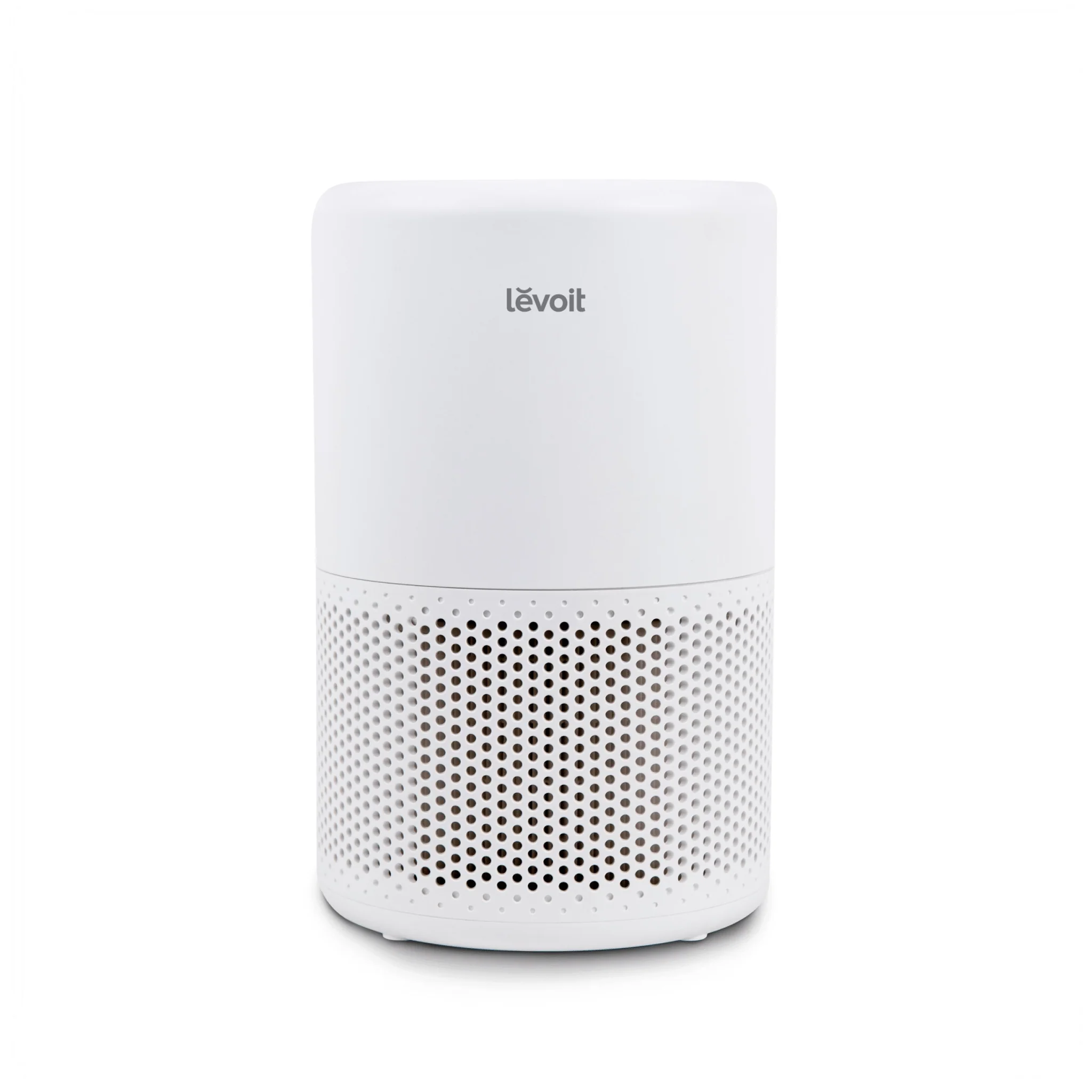
| 5 | LEVOIT Air Purifiers for Bedroom Home Dorm, 3-in-1 Filter Cleaner with Fragrance Sponge for Better Sleep,Portable Filters Smoke, Allergens, Pet Dander, Odor, Dust, Office, Desktop, Core Mini-P, White |
|
| 6 | 3 Pcs 2026 New Magair Air Purifier For M0ld, Magair Air Purifier Plug In No Filter Replacement, Mag Air Purifiers, Living Room,Pet Room, Air Purifiers For Bedroom |
|
| 7 | LEVOIT Air Purifier for Home Large Room Up to 1073Ft² with Air Quality Monitor, AHAM VERIFIDE, Smart WiFi, Washable Pre-Filter, HEPA Sleep Mode for Pets, Allergies, Dust, Pollen, Vital 100S-P, White |
|
| 8 | KNKA Genuine Air Purifier Replacement Filter, True HEPA Filter Compatible with APH30000 for High-Efficiency Air Filtration, Odor and Smoke Reduction, Pet Dander Version, 2 Pack |
|
| 9 | LEVOIT Air Purifier for Home Allergies Pet Hair in Bedroom, Covers Up to 1073 ft² by 56W High Torque Motor, AHAM VERIFIDE, 3-in-1 Filter with HEPA Sleep Mode, Remove Dust Smoke Odor, Core300-P, White |
|
| 10 | KNKA Air Purifier for Home Bedroom Large Room Up to 3,500 Ft², HEPA Air Cleaner with Washable Pre-Filter, AHAM VERIFIDE, AQI Display, ECO Mode, Pet Mode for Pets, Allergies, Dust, Pollen, APH4000 |
|
How Does an Ionic Air Purifier Actually Work?
An ionic air purifier operates on a fascinating principle rooted in electrical charges. Instead of drawing air through physical filters like traditional purifiers, it releases a steady stream of negatively charged ions into your living space. These tiny, charged particles then act like microscopic magnets, seeking out and attaching themselves to airborne contaminants such as dust, pollen, pet dander, smoke particles, and even some bacteria and viruses. Once attached, these pollutant particles gain a negative charge and become heavier. Gravitational forces then pull these newly weighted clumps out of the breathing air, causing them to settle onto nearby surfaces like floors, furniture, or walls, or in some models, onto positively charged collection plates within the unit itself.
- How does an ionic air purifier work without filters?
An ionic air purifier doesn’t use traditional physical filters. Instead, it employs electrical energy to generate negative ions that bind with airborne pollutants, making them too heavy to remain suspended in the air. These charged particles then fall to surfaces or are attracted to collection plates, effectively removing them from the breathable air volume without a filter.
The Allure of Ionic Air Purifiers: What Makes Them Appealing?
It’s easy to see why ionic air purifiers capture attention. Their selling points often highlight convenience and understated operation. Firstly, many ionic purifiers, especially fanless designs, are incredibly quiet, almost silent, making them ideal for bedrooms or offices where noise is a concern. Secondly, they are generally energy-efficient, consuming less power than units with powerful fans. Perhaps the most attractive feature for many homeowners is their filter-free design. This eliminates the recurring cost and hassle of replacing expensive HEPA filters, translating to lower long-term maintenance. Beyond these practical benefits, ionic purifiers are effective at tackling extremely small particles, some as tiny as 0.01 microns, and can help reduce odors and deactivate certain airborne viruses and bacteria, offering a sense of cleanliness that extends beyond visible dust.
The Elephant in the Room: Ionic Air Purifiers and Ozone
Despite their appealing features, the discussion around ionic air purifiers invariably leads to a critical concern: ozone production. Ozone (O₃) is a gas that, while beneficial in the Earth’s upper atmosphere where it shields us from harmful UV rays, is a harmful air pollutant in the lower atmosphere where we live and breathe. Many ionic air purifiers, as a byproduct of their ionization process, generate ozone. When inhaled, ozone acts as a powerful lung irritant, capable of damaging lung tissue, exacerbating existing respiratory conditions like asthma and allergies, and causing symptoms such as coughing, chest pain, and shortness of breath. The U.S. Environmental Protection Agency (EPA) classifies ozone as a toxic gas. Furthermore, ozone can react with common household chemicals from cleaning products or furnishings to form additional harmful compounds like formaldehyde, further compromising indoor air quality. The FDA has set a limit of 0.05 parts per million (ppm) of ozone for medical devices, but even levels below this can be problematic for sensitive individuals.
“The promise of pristine air often comes with complexities,” advises Dr. Elena Petrova, an environmental health specialist. “While the idea of filter-free purification is tempting, consumers must prioritize devices that are rigorously tested and certified to ensure they do not introduce harmful byproducts like ozone into their homes. It’s a delicate balance between removing pollutants and inadvertently creating new ones.”
The way ionic purifiers handle particles also deserves a closer look. Since particles often simply settle onto surfaces rather than being trapped and removed, this can lead to what’s known as the “dirty wall effect,” where grime accumulates on nearby surfaces. These settled contaminants can easily become airborne again with even slight disturbances, such as walking through a room or opening a door, diminishing the long-term effectiveness of the purification.
- Do ionic air purifiers produce ozone?
Yes, many ionic air purifiers produce ozone as a byproduct of their operation. Ozone is a known lung irritant and air pollutant, and its presence in indoor environments can exacerbate respiratory issues like asthma and allergies. Consumers should look for models that are certified as ozone-free or meet strict safety standards.
Ionic Air Purifier vs. HEPA: A Head-to-Head Battle for Clean Air
When it comes to air purification, the choice often boils down to ionic technology versus HEPA filtration. Each offers distinct advantages and disadvantages.
HEPA Air Purifiers: The Gold Standard
HEPA (High-Efficiency Particulate Air) filters are widely considered the benchmark for mechanical air purification. These systems use a dense, pleated mesh that physically traps airborne particles. Certified HEPA filters are guaranteed to capture 99.97% of particles as small as 0.3 microns, including common allergens like dust mites, pollen, pet dander, mold spores, and even many bacteria and viruses. They operate without producing ozone and genuinely remove pollutants from the air, keeping them safely contained within the filter media. The main drawbacks include the need for regular filter replacement, which incurs ongoing costs, and the reliance on a fan, which can create some operational noise. HEPA filters also do not effectively remove gases, odors, or Volatile Organic Compounds (VOCs) on their own, often requiring an activated carbon filter alongside them.
Where Ionic Stands Out (and Falls Short)
Ionic purifiers, conversely, excel at capturing ultrafine particles, sometimes as small as 0.01 microns, which are much smaller than what a standard HEPA filter can consistently trap. Their filter-free nature and quiet operation are definite wins. However, their primary weakness lies in the aforementioned ozone production and the fact that particles are simply settled, not permanently removed. This means the air isn’t truly “cleaned” in the same way a HEPA filter cleans it, as pollutants remain in the environment, albeit on surfaces. They are also generally less effective at dealing with a broad range of gases and VOCs compared to activated carbon filters.
The Hybrid Approach: Combining Strengths
For those seeking the best of both worlds, some manufacturers offer hybrid air purifiers that combine HEPA filtration with an optional and ozone-safe ionizer. In these systems, the ionizer’s role is typically to help clump particles together, making them easier for the HEPA filter to capture, thereby enhancing the overall filtration efficiency without the risk of harmful ozone emissions. When considering such a unit, always verify that the ionizer component is certified as ozone-safe by reputable bodies like the California Air Resources Board (CARB).
Choosing Wisely: Is an Ionic Air Purifier Right for Your Home?
Deciding on an air purifier is a personal choice that should be guided by your specific needs and priorities. If you are extremely sensitive to noise, prioritize low energy consumption, and are diligent about cleaning surfaces, an ionic air purifier might seem appealing. However, if anyone in your household suffers from respiratory conditions like asthma or allergies, or if you simply prioritize comprehensive particle removal without the risk of ozone, then a HEPA-based system, possibly with an ozone-safe ionizer, is generally a more robust and safer choice. Always check for certifications like CARB compliance, which indicates that the device’s ozone emissions meet strict safety standards, ideally producing zero or negligible amounts. Remember that “filter-free” doesn’t mean “maintenance-free”—ionic purifiers often require regular cleaning of their collection plates or surrounding surfaces to maintain effectiveness and prevent re-release of pollutants.
Frequently Asked Questions (FAQ)
Are ionic air purifiers truly effective at cleaning the air?
Ionic air purifiers can be effective at removing very small airborne particles by causing them to clump together and settle out of the air. However, they don’t remove these pollutants from your environment; they simply move them to surfaces, which requires diligent cleaning to fully eliminate them.
Do ionic air purifiers pose any health risks?
The primary health concern with many ionic air purifiers is the production of ozone, a lung irritant. Ozone can worsen respiratory conditions like asthma and allergies. Always choose models certified as ozone-free or those that meet strict safety standards for ozone emissions.
How do ionic air purifiers compare to HEPA air purifiers?
Ionic purifiers use charged ions to settle particles and are often filter-free and quiet, but some produce ozone. HEPA purifiers physically trap particles in a filter (99.97% of 0.3 microns) without producing ozone, making them excellent for allergens, but they require filter replacement and use a fan.
Can ionic air purifiers remove odors and gases?
Ionic air purifiers can help with some odors and smoke by clumping particles, but they are generally not as effective at removing gases or Volatile Organic Compounds (VOCs) as activated carbon filters found in many HEPA-based purification systems.
What maintenance do ionic air purifiers require?
While they don’t have traditional filters to replace, ionic air purifiers often require regular cleaning of their ionizer needles or collection plates to maintain efficiency. You also need to frequently dust and vacuum surfaces where settled particles have accumulated.
Are “ozone-safe” ionic air purifiers available?
Yes, some manufacturers offer ionic air purifiers that claim to be “ozone-safe,” meaning they produce negligible or no detectable ozone. It’s important to look for independent certifications, such as those from the California Air Resources Board (CARB), to verify these claims.
Why do some ionic air purifiers create a “dirty wall” effect?
The “dirty wall” effect occurs because the charged particles released by ionic purifiers cling to airborne pollutants, making them heavy enough to settle on nearby walls, furniture, and floors, rather than being collected internally. This can lead to visible residue on surfaces.
Embracing Clean Air with Informed Choices
The journey to pristine indoor air is a continuous one, and the ionic air purifier represents just one path in this landscape. While its advantages of quiet operation, energy efficiency, and filter-free convenience are appealing, the potential for ozone production and the nature of particle removal necessitate careful consideration. At CleanAir Home, our mission is to empower you with the knowledge to make informed decisions for your household’s health. Whether you choose an ionic air purifier for its unique attributes or opt for a multi-stage HEPA system, remember that the goal is always cleaner, healthier air – without compromise. Take a deep breath, explore your options, and choose the solution that truly helps you live better.