Ever walk into your home and feel a certain stuffiness in the air, a vague sense that something isn’t quite right? You can’t see it, but invisible pollutants are constantly circulating, impacting our health and comfort. From pet dander to pollen, volatile organic compounds (VOCs) from everyday products, and even microscopic dust particles, our indoor air quality often suffers more than the air outside. That’s where a smart air purifier steps in, transforming your living space into a sanctuary of clean air, all with a touch of modern convenience. It’s more than just a gadget; it’s a proactive partner in maintaining a healthier home.
|
Our Picks for the Best Air Purifier in 2026
As an Amazon Associate I earn from qualifying purchases.
|
||
| Num | Product | Action |
|---|---|---|
| 1 | KNKA Air Purifier for Home Bedroom Large Room Up to 3,500 Ft², HEPA Air Cleaner with Washable Pre-Filter, AHAM VERIFIDE, AQI Display, ECO Mode, Pet Mode for Pets, Allergies, Dust, Pollen, APH4000 |

|
| 2 | Air Purifiers for Home with H13 True HEPA Filter Up to 1076 Ft² for Pet Hair, Odors, Pollen, Smoke, Compact Air Cleaner with 3 Speeds, Timer, Aroma Quiet 360°Intake Filter, White |
|
| 3 | LEVOIT Air Purifier for Home Large Room Up to 1073Ft² with Air Quality Monitor, AHAM VERIFIDE, Smart WiFi, Washable Pre-Filter, HEPA Sleep Mode for Pets, Allergies, Dust, Pollen, Vital 100S-P, White |
|
| 4 | GermGuardian 4-In-1 HEPA Air Purifier for Home, Large Rooms Up To 743 Sq. Ft. with HEPA Air Filter, UV-C Light & Odor Reduction, AC4825E, 22\" Tower, Gray |
|
| 5 | LEVOIT Air Purifiers for Bedroom Home Dorm, 3-in-1 Filter Cleaner with Fragrance Sponge for Better Sleep,Portable Filters Smoke, Allergens, Pet Dander, Odor, Dust, Office, Desktop, Core Mini-P, White |
|
| 6 | LEVOIT Air Purifier for Home Allergies Pet Hair in Bedroom, Covers Up to 1073 ft² by 56W High Torque Motor, AHAM VERIFIDE, 3-in-1 Filter with HEPA Sleep Mode, Remove Dust Smoke Odor, Core300-P, White |
|
| 7 | 3 Pcs 2026 New Magair Air Purifier For M0ld, Magair Air Purifier Plug In No Filter Replacement, Mag Air Purifiers, Living Room,Pet Room, Air Purifiers For Bedroom |
|
| 8 | KNKA Genuine Air Purifier Replacement Filter, True HEPA Filter Compatible with APH30000 for High-Efficiency Air Filtration, Odor and Smoke Reduction, Pet Dander Version, 2 Pack |
|
| 9 | Plug In Negative Ion Air Purifier, with Colorful Night Light, with One Replacement Filter, for Home, Kitchen, Bathroom,Toilet |
|
| 10 | AIRDOCTOR 3000 Series (AirDoctor 3000) |
|
What Exactly is a Smart Air Purifier? More Than Just a Fan!
At its heart, an air purifier is a device designed to remove contaminants from the air. The concept isn’t new, with simple filtration methods dating back centuries. Modern purifiers typically feature a powerful fan that draws in air and pushes it through a series of specialized filters. These often include a pre-filter for larger particles like hair and dust, a HEPA (High-Efficiency Particulate Air) filter to capture microscopic allergens, dust mites, and mold spores, and an activated carbon filter to absorb odors, gases, and VOCs.
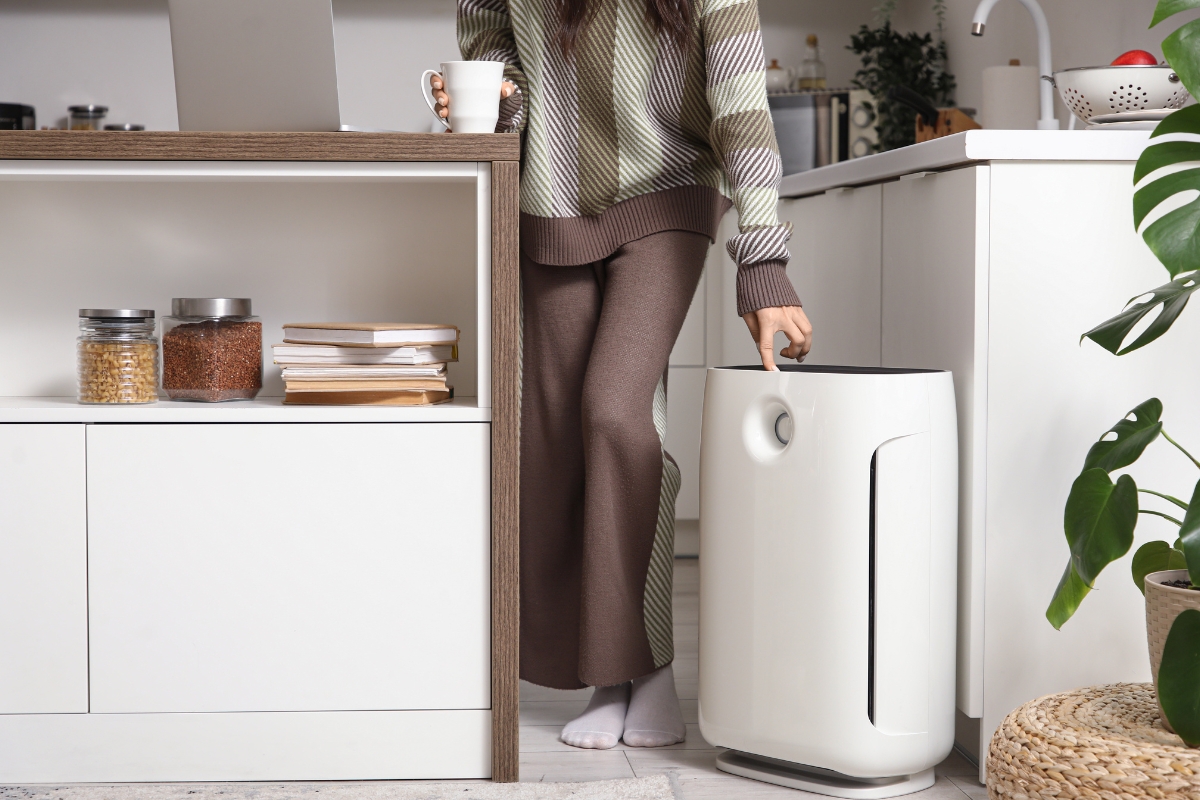
But what makes a smart air purifier truly “smart”? It’s the seamless integration of advanced sensors, Wi-Fi connectivity, and intuitive controls that elevate it beyond a basic fan. These intelligent devices are designed to think, adapt, and even communicate with you, offering a level of control and insight that traditional models simply can’t match. They’re built to fit effortlessly into your connected home ecosystem, making clean air management surprisingly simple.
How Do Smart Air Purifiers Work Their Magic?
Imagine an air purifier that not only cleans the air but also understands it. That’s the core promise of a smart air purifier.
The Brains: Sensors and Real-Time Monitoring
The real intelligence of these devices lies in their sophisticated sensors. Many smart models come equipped with sensors that continuously monitor your indoor air quality, detecting a range of pollutants. They can pinpoint fine particulate matter (PM2.5), which is a common component of smog, along with dust, pollen, and those tricky VOCs emanating from cleaning products or new furniture. Some even track humidity and CO2 levels.
This real-time data isn’t just for show. It’s often displayed on an intuitive screen on the unit itself or, more commonly, transmitted directly to a smartphone app. This empowers you to see exactly what’s in your air at any given moment, offering valuable insights into pollution sources and trends within your home. It’s like having a personal air quality detective on duty 24/7.
The Automation Advantage: Set It and Forget It
One of the standout features of a smart air purifier is its automatic mode. Thanks to those built-in sensors, the purifier can interpret air quality data and adjust its fan speed or filtration intensity as needed. If it detects a sudden spike in pollutants – maybe you just finished cooking or walked in with outdoor allergens on your clothes – it will automatically ramp up its efforts. Once the air is clean, it might quiet down or even pause operation to save energy. This hands-free approach means you never have to guess if your purifier is doing its job; it simply handles it for you. Beyond auto mode, smart scheduling allows you to program your purifier to turn on or off at specific times, aligning with your daily routine, bedtime, or high-activity periods.
Beyond the Basics: Connectivity and Control
The convenience extends to how you interact with your device. Many smart air purifiers offer seamless remote control through dedicated mobile apps. Stuck in traffic but want to ensure fresh air greets you at home? Just open the app and switch it on. Already cozy in bed and forgot to adjust the settings? Your phone or even your voice assistant (like Alexa or Google Assistant) can take care of it without you having to lift a finger. This level of control makes managing your indoor environment incredibly easy and personalized.
Why You Need a Smart Air Purifier in Your Home (Your Lungs Will Thank You!)
Investing in a smart air purifier isn’t just about owning the latest tech; it’s about investing in your well-being.
Health Benefits: A Breath of Fresh Air
For many, a clean home environment is crucial for health. Smart air purifiers excel at removing airborne irritants such as pollen, pet dander, dust, and mold spores, making a noticeable difference for allergy and asthma sufferers. Beyond common allergens, these devices can also filter out bacteria and viruses, contributing to a reduction in the spread of illnesses within your home. Cleaner air can lead to better sleep, fewer respiratory issues, and an overall sense of increased comfort and vitality.
Unrivaled Convenience: Simplify Your Life
The automation and remote control capabilities of a smart air purifier are game-changers for busy households. No more manually adjusting settings or worrying about whether you left it running unnecessarily. Real-time alerts can even notify your phone if indoor air quality dips, prompting you to take quick action. This blend of seamless operation and instant feedback provides invaluable peace of mind.
Energy Efficiency: Smart Savings
By optimizing run times and fan speeds based on actual air quality, smart purifiers can often be more energy-efficient than their traditional counterparts. They only work as hard as needed, which can lead to potential energy savings over time. Many models are also ENERGY STAR certified, meaning they save significantly more energy while still filtering effectively.
Enhanced Awareness: Understand Your Environment
With detailed air quality data at your fingertips, you gain a deeper understanding of your home environment. You can identify patterns, pinpoint sources of pollution (like cooking fumes or seasonal pollen spikes), and proactively manage your indoor air. This knowledge empowers you to make informed decisions about your living spaces, leading to healthier habits and a better quality of life.
Choosing Your Perfect Smart Air Purifier: A Buyer’s Blueprint
With so many options on the market, how do you pick the right smart air purifier for your needs?
Room Size and CADR: Match for Max Efficiency
The first step is always to match the purifier to the room size. Manufacturers provide a “Clean Air Delivery Rate” (CADR) rating, which indicates how quickly the purifier filters smoke, pollen, and dust from a room. A higher CADR means it can clean a larger space more effectively. Measure your room’s square footage and compare it against the purifier’s recommended coverage area to ensure optimal performance without excessive energy use.
Filtration Technology: What’s Under the Hood?
Look for models with multi-stage filtration. A True HEPA H13 filter is crucial for capturing 99.97% of particles as small as 0.3 microns. An activated carbon filter is essential for tackling odors, gases, and VOCs. Some advanced units also incorporate UV-C light to neutralize pathogens or ionizers to help particles clump together for easier filtration. Consider your primary concerns – allergies, pet odors, general pollution – to pick the best combination.
Smart Features You Can’t Live Without
Think about what truly matters to you in a smart device. Do you want full remote control via an app? Voice assistant compatibility for hands-free operation? Real-time air quality metrics and historical data? Automatic fan speed adjustments are a must for true “smart” functionality. Filter replacement alerts are also incredibly helpful for maintenance.
Noise Levels: Peace and Quiet
No one wants a noisy appliance disrupting their peace, especially in bedrooms or living areas. Check the decibel (dBA) ratings, particularly at lower fan speeds. Many modern smart air purifiers are designed to operate quietly, with dedicated sleep modes that dim lights and reduce fan noise even further.
Energy Star Certification: For a Greener Home
Always look for the ENERGY STAR label. These certified models are proven to be more energy-efficient, saving you money on electricity bills while still providing excellent air purification.
Clearing the Air: Common Smart Air Purifier Misconceptions Debunked
Despite their growing popularity, several myths still swirl around air purifiers, especially the smart varieties. Let’s clear the air on some common misunderstandings.
- “My HVAC system does the same thing.” While HVAC filters catch some larger particles, they aren’t designed for comprehensive air purification like a dedicated smart air purifier. HVAC filters primarily protect your system, not necessarily your lungs.
- “They’re too loud.” This might have been true for older models, but modern smart air purifiers are engineered for quiet operation, especially on lower settings and in sleep modes.
- “They dry out the air.” Air purifiers remove particulate matter, not moisture. They do not affect humidity levels. If you have concerns about dry air, consider a separate humidifier.
- “They remove ALL contaminants.” While highly effective, no air purifier can remove every single contaminant. Certain gases like carbon monoxide require specialized detection and ventilation, not just filtration. They significantly reduce, but don’t entirely eliminate, pollutants.
- “Filters never need changing.” This is a critical one! Air purifier filters get clogged over time and lose effectiveness. Regular replacement (or cleaning for washable pre-filters) is essential for optimal performance. Many smart purifiers even send you handy reminders when it’s time for a change.
“While the built-in sensors in smart air purifiers are fantastic for convenience and indicating general air quality trends, it’s important to remember they’re not always lab-grade precision instruments,” advises Dr. Evelyn Reed, an environmental health specialist. “For most homes, they provide actionable data and enable intelligent automation, which is hugely beneficial. However, for highly precise measurements or specific industrial applications, professional-grade monitoring might be needed.”
Maximizing Your Smart Air Purifier’s Performance: Pro Tips
You’ve got your smart air purifier, now let’s make sure it’s working its hardest for you.
- Regular Filter Maintenance: This cannot be stressed enough. Follow the manufacturer’s guidelines for cleaning pre-filters and replacing HEPA and carbon filters. A clogged filter severely reduces efficiency and can even shorten the unit’s lifespan.
- Optimal Placement: Position your purifier in the room where you spend the most time or where pollution sources are highest. A central location often works best, allowing it to draw in air from all directions. Avoid placing it directly against walls or in corners, which can impede airflow.
- Keep Doors and Windows Closed: To allow your purifier to clean the air most efficiently, it’s generally best to keep windows and doors closed, preventing new pollutants from constantly entering the space. Of course, proper ventilation is also key, so balance this with opening windows for fresh air when outdoor air quality is good.
The Future is Clean: Embracing Smart Air Purifiers for a Healthier Tomorrow
Our homes are our havens, and ensuring the air we breathe indoors is clean and healthy is more important than ever. From alleviating allergy symptoms to reducing exposure to harmful pollutants and enhancing overall comfort, the benefits of a smart air purifier are clear. With their intelligent sensors, automated operations, and seamless connectivity, these devices offer not just cleaner air, but a smarter, more convenient way to manage your home environment.
So, take a deep breath, explore the possibilities, and discover how a smart air purifier can transform your living space into a truly refreshing sanctuary. Your health, and your home, will thank you for it.