Stepping into a home filled with fresh, clean air isn’t just a luxury; it’s a foundation for better health and well-being. In the quest for optimal indoor air quality, innovations constantly emerge, and the Lab Charge air purifier has captured significant attention with its unique, filterless approach. But what truly sets this device apart, and how does it fit into the broader landscape of air purification solutions? As senior consultants at CleanAir Home, our mission is to empower you with strategic insights into cutting-edge air purification technology, helping you navigate the options to find the best fit for your living space.
|
Our Picks for the Best Air Purifier in 2026
As an Amazon Associate I earn from qualifying purchases.
|
||
| Num | Product | Action |
|---|---|---|
| 1 | GermGuardian 4-In-1 HEPA Air Purifier for Home, Large Rooms Up To 743 Sq. Ft. with HEPA Air Filter, UV-C Light & Odor Reduction, AC4825E, 22\" Tower, Gray |

|
| 2 | 3 Pcs 2026 New Magair Air Purifier For M0ld, Magair Air Purifier Plug In No Filter Replacement, Mag Air Purifiers, Living Room,Pet Room, Air Purifiers For Bedroom |
|
| 3 | KNKA Genuine Air Purifier Replacement Filter, True HEPA Filter Compatible with APH30000 for High-Efficiency Air Filtration, Odor and Smoke Reduction, Pet Dander Version, 2 Pack |
|
| 4 | LEVOIT Air Purifiers for Bedroom Home Dorm, 3-in-1 Filter Cleaner with Fragrance Sponge for Better Sleep,Portable Filters Smoke, Allergens, Pet Dander, Odor, Dust, Office, Desktop, Core Mini-P, White |
|
| 5 | LEVOIT Air Purifier for Home Large Room Up to 1073Ft² with Air Quality Monitor, AHAM VERIFIDE, Smart WiFi, Washable Pre-Filter, HEPA Sleep Mode for Pets, Allergies, Dust, Pollen, Vital 100S-P, White |
|
| 6 | Plug In Negative Ion Air Purifier, with Colorful Night Light, with One Replacement Filter, for Home, Kitchen, Bathroom,Toilet |
|
| 7 | Air Purifiers for Home with H13 True HEPA Filter Up to 1076 Ft² for Pet Hair, Odors, Pollen, Smoke, Compact Air Cleaner with 3 Speeds, Timer, Aroma Quiet 360°Intake Filter, White |
|
| 8 | LEVOIT Air Purifier for Home Allergies Pet Hair in Bedroom, Covers Up to 1073 ft² by 56W High Torque Motor, AHAM VERIFIDE, 3-in-1 Filter with HEPA Sleep Mode, Remove Dust Smoke Odor, Core300-P, White |
|
| 9 | AIRDOCTOR 3000 Series (AirDoctor 3000) |
|
| 10 | KNKA Air Purifier for Home Bedroom Large Room Up to 3,500 Ft², HEPA Air Cleaner with Washable Pre-Filter, AHAM VERIFIDE, AQI Display, ECO Mode, Pet Mode for Pets, Allergies, Dust, Pollen, APH4000 |
|
Understanding the Lab Charge Air Purifier: A Filterless Approach
The Lab Charge air purifier positions itself as a hassle-free solution for improving indoor air quality, primarily leveraging ionic technology. Unlike many traditional air purifiers that rely on multi-stage filtration systems, the Lab Charge emphasizes a filterless design, promising convenience and ease of use.
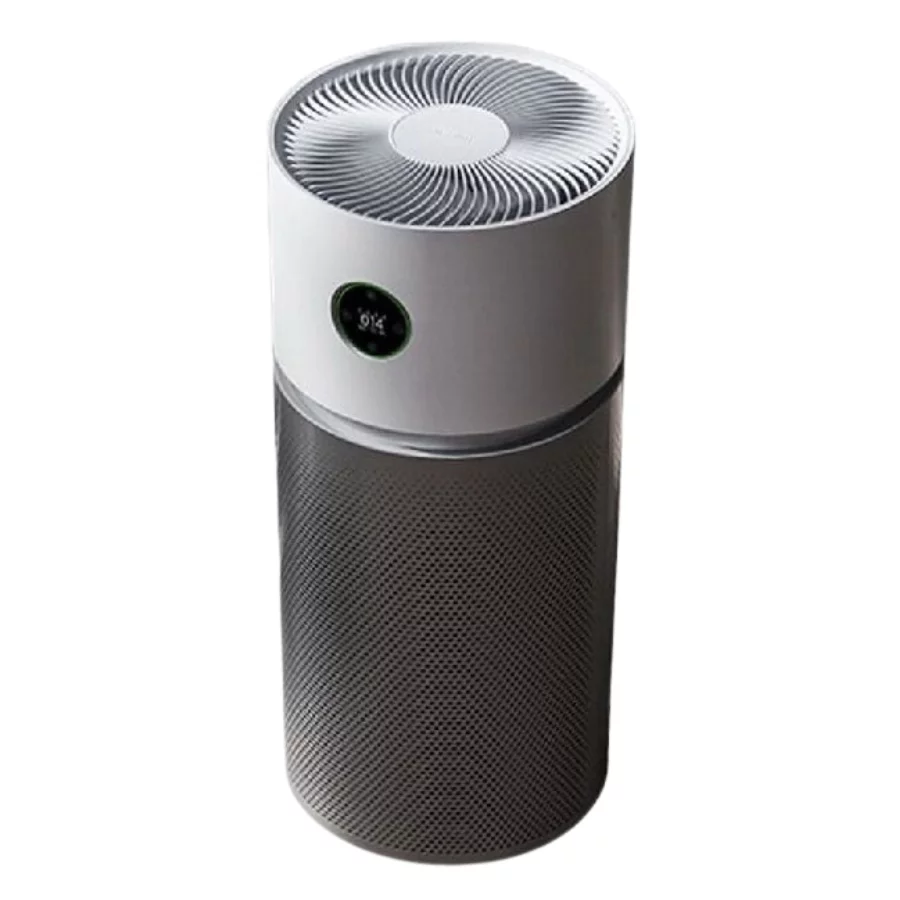
How Lab Charge Air Purifiers Work: The Power of Ions
At the heart of the Lab Charge air purifier’s operation is its ionic purification technology. This method involves generating a stream of negatively charged ions into the air. These ions then attach themselves to airborne particles such as dust, pollen, pet dander, mold spores, and even smoke. Once charged, these particles become heavier and are more likely to fall out of the air and settle onto surfaces, or attract to positively charged collection plates within some ionic devices. This process effectively reduces the concentration of suspended particles in your breathing zone, contributing to a cleaner-feeling environment.
Key Features and Convenience
Designed with modern living in mind, Lab Charge air purifiers typically boast a compact and portable form factor, making them ideal for smaller spaces like bedrooms, home offices, or dorm rooms. Many models offer coverage for areas up to 250 square feet. A standout convenience feature often highlighted is the inclusion of dual USB charging ports, allowing you to power your personal devices while the purifier operates. The filterless aspect also translates to minimal maintenance – typically requiring just a periodic wipe-down with a dry cloth – and quiet operation, ensuring it doesn’t disrupt your daily activities or sleep.
The Appeal of “Filterless”: Benefits and Important Considerations
The concept of a “filterless” air purifier holds significant appeal for many consumers, promising a simplified experience devoid of recurring costs and tedious replacements.
The Low-Maintenance Lifestyle: A Clear Advantage
One of the most attractive aspects of the Lab Charge air purifier is its claim of being maintenance-free in terms of filters. This means no more trips to the store for expensive replacement filters, and no more remembering when to change them. The cost savings over the lifespan of the device can be substantial, and the ease of simply plugging it in and letting it run is a clear convenience factor for busy households. For those who prioritize simplicity and continuous operation without intervention, this design offers a compelling advantage.
What “Filterless” Means for Air Purification Effectiveness
While the low-maintenance aspect is undeniable, it’s important to understand the nuances of filterless purification. When ionic purifiers cause particles to settle, these particles aren’t necessarily removed from your environment; they simply relocate from the air to your surfaces. This means regular dusting and cleaning are still crucial to fully remove the settled pollutants and prevent them from becoming airborne again.
Furthermore, a common concern associated with some ionic air purifiers is the potential for ozone production. Ozone, a lung irritant, can be harmful to human health, especially for individuals with respiratory sensitivities like asthma. While manufacturers strive to keep ozone emissions within safe limits, consumers should be aware of this potential byproduct when considering ionic technology. Making an informed decision means balancing the convenience of a filterless design with a thorough understanding of its operational principles and potential implications for air quality.
Beyond Ionic: A Broader Look at Air Purification Technologies
To truly optimize your indoor air quality, it’s beneficial to understand the full spectrum of air purification technologies available. While ionic systems offer specific benefits, a holistic approach often incorporates other proven methods.
The Gold Standard: HEPA Filtration
For mechanical air filtration, High-Efficiency Particulate Air (HEPA) filters are widely considered the gold standard. These dense, fibrous filters are designed to physically trap 99.97% of airborne particles as small as 0.3 microns, including dust, pollen, pet dander, mold spores, and even some bacteria and viruses. HEPA filtration is highly effective for removing particulate matter, making it an excellent choice for allergy sufferers and those concerned about microscopic airborne irritants. The trade-off, however, is the need for periodic filter replacement, which contributes to ongoing costs and maintenance.
Activated Carbon for Odors and VOCs
While HEPA filters excel at capturing particles, they are less effective against gases and odors. This is where activated carbon filters come into play. Activated carbon is a porous material with an incredibly large surface area that can adsorb volatile organic compounds (VOCs), chemical fumes, cooking smells, pet odors, and smoke. The adsorption process chemically binds these gaseous pollutants to the carbon, effectively removing them from the air. For homes with specific odor issues or concerns about chemical off-gassing, an activated carbon filter is an indispensable component of an air purification system.
The Role of UV-C Light
Ultraviolet-C (UV-C) light is another technology often integrated into comprehensive air purifiers. UV-C light has germicidal properties, meaning it can inactivate airborne bacteria, viruses, and mold spores by disrupting their DNA. While it doesn’t remove particles or gases, it acts as a complementary technology to sanitize the air, adding another layer of protection, particularly in environments where biological contaminants are a concern.
Choosing Your Ideal Air Purifier: Making an Informed Decision
Selecting the right air purifier is a personal journey, influenced by your specific living conditions and health priorities. It’s about matching the technology to your unique needs.
Matching Technology to Your Needs
When evaluating options like the Lab Charge air purifier, consider factors such as the size of the room you intend to purify. While a compact ionic purifier might be perfect for a small bedroom or office, larger spaces or areas with high pollution levels might benefit from units with higher Clean Air Delivery Rate (CADR) ratings and more robust filtration. Think about the specific pollutants you’re targeting: if severe allergies or pet dander are your primary concern, HEPA-grade filtration is highly recommended. If you’re battling persistent odors or chemical sensitivities, activated carbon is essential. Your willingness and ability to perform regular maintenance, including filter changes or plate cleaning, should also guide your decision.
Expert Insights on Air Purification
“In the evolving landscape of indoor air quality, understanding the core technology of your air purifier is paramount,” advises Dr. Anya Sharma, an Environmental Health Specialist. “While innovative designs like filterless ionic systems offer unique conveniences, a truly comprehensive air quality strategy often involves a nuanced blend of technologies tailored to individual needs. Always prioritize solutions that demonstrably address your specific concerns, whether it’s microscopic particles, stubborn odors, or biological contaminants.”
Frequently Asked Questions About Lab Charge Air Purifiers and Ionic Technology
Q: How often do I need to clean a Lab Charge air purifier?
A: Lab Charge air purifiers, being filterless ionic devices, typically require minimal maintenance. It is generally recommended to wipe down the unit with a dry cloth every few weeks to remove any settled dust or particles, ensuring optimal performance.
Q: Can a Lab Charge air purifier help with severe allergies?
A: Lab Charge air purifiers work by releasing negative ions to cause airborne allergens like dust and pollen to settle out of the air. While this reduces their concentration in the breathing zone, individuals with severe allergies might find multi-stage purifiers with true HEPA filters more effective for thorough particle removal, as HEPA filters physically capture and trap these irritants.
Q: Do ionic air purifiers produce ozone?
A: Some ionic air purifiers can produce ozone as a byproduct. While manufacturers aim to keep ozone emissions below health standards, it’s a valid concern, particularly for individuals with respiratory conditions. Researching specific product certifications for low ozone output is advisable when considering any ionic device.
Q: What size room is best for a Lab Charge unit?
A: Lab Charge air purifiers are designed for smaller personal spaces, typically covering areas up to 250 square feet. This makes them well-suited for bedrooms, home offices, and other confined living spaces where quiet and compact purification is desired.
Q: How does a filterless design compare to HEPA filters?
A: A filterless design, like that of the Lab Charge, removes particles from the air by causing them to settle, thus requiring regular surface cleaning. HEPA filters, on the other hand, physically trap particles within the filter medium, ensuring they are removed from the environment until the filter is replaced. Both have their advantages, with HEPA often considered more effective for comprehensive particle removal.
Conclusion: Breathe Easier, Live Healthier with Smart Air Choices
The Lab Charge air purifier offers an intriguing and convenient solution for improving indoor air quality, particularly for those seeking a filterless and low-maintenance option. Its ionic technology, coupled with features like dual USB charging, provides a modern take on personal air purification. However, making the best choice for your home involves understanding the strengths and limitations of various technologies. By weighing the convenience of filterless systems against the comprehensive filtration of HEPA and activated carbon, you can confidently select an air purification strategy that truly aligns with your family’s health needs and lifestyle. Investing in cleaner air is an investment in a healthier life, and with CleanAir Home, you have a trusted partner in navigating these important decisions.