Ever walked into a room and just felt… lighter? Like the air itself had a certain crispness, a subtle energy that elevates your mood? For many, the journey to achieving this starts with an air purifier, and increasingly, the elegant simplicity of a blue air purifier is catching the eye of design-conscious homeowners. But is it just about matching your decor, or does this vibrant hue signify something deeper about the clean air technology within? Let’s dive in and explore how a blue air purifier can transform your home’s atmosphere, inside and out.
|
Our Picks for the Best Air Purifier in 2026
As an Amazon Associate I earn from qualifying purchases.
|
||
| Num | Product | Action |
|---|---|---|
| 1 | 3 Pcs 2026 New Magair Air Purifier For M0ld, Magair Air Purifier Plug In No Filter Replacement, Mag Air Purifiers, Living Room,Pet Room, Air Purifiers For Bedroom |

|
| 2 | LEVOIT Air Purifiers for Bedroom Home Dorm, 3-in-1 Filter Cleaner with Fragrance Sponge for Better Sleep,Portable Filters Smoke, Allergens, Pet Dander, Odor, Dust, Office, Desktop, Core Mini-P, White |
|
| 3 | AIRDOCTOR 3000 Series (AirDoctor 3000) |
|
| 4 | Air Purifiers for Home with H13 True HEPA Filter Up to 1076 Ft² for Pet Hair, Odors, Pollen, Smoke, Compact Air Cleaner with 3 Speeds, Timer, Aroma Quiet 360°Intake Filter, White |
|
| 5 | Plug In Negative Ion Air Purifier, with Colorful Night Light, with One Replacement Filter, for Home, Kitchen, Bathroom,Toilet |
|
| 6 | KNKA Air Purifier for Home Bedroom Large Room Up to 3,500 Ft², HEPA Air Cleaner with Washable Pre-Filter, AHAM VERIFIDE, AQI Display, ECO Mode, Pet Mode for Pets, Allergies, Dust, Pollen, APH4000 |
|
| 7 | LEVOIT Air Purifier for Home Allergies Pet Hair in Bedroom, Covers Up to 1073 ft² by 56W High Torque Motor, AHAM VERIFIDE, 3-in-1 Filter with HEPA Sleep Mode, Remove Dust Smoke Odor, Core300-P, White |
|
| 8 | LEVOIT Air Purifier for Home Large Room Up to 1073Ft² with Air Quality Monitor, AHAM VERIFIDE, Smart WiFi, Washable Pre-Filter, HEPA Sleep Mode for Pets, Allergies, Dust, Pollen, Vital 100S-P, White |
|
| 9 | GermGuardian 4-In-1 HEPA Air Purifier for Home, Large Rooms Up To 743 Sq. Ft. with HEPA Air Filter, UV-C Light & Odor Reduction, AC4825E, 22\" Tower, Gray |
|
| 10 | KNKA Genuine Air Purifier Replacement Filter, True HEPA Filter Compatible with APH30000 for High-Efficiency Air Filtration, Odor and Smoke Reduction, Pet Dander Version, 2 Pack |
|
More Than Just a Shade: What Defines a Blue Air Purifier?
When we talk about a blue air purifier, it’s not just about the external color – although that certainly plays a part in its appeal. For brands like CleanAir Home, “blue” often hints at innovation, freshness, and a commitment to advanced filtration technology that delivers truly breathable air. It symbolizes a new generation of devices that don’t just sit quietly in a corner, but actively contribute to both the health and aesthetic harmony of your living spaces. The aesthetic integration of a blue air purifier reflects a growing understanding that home appliances should enhance, not detract from, our environments.
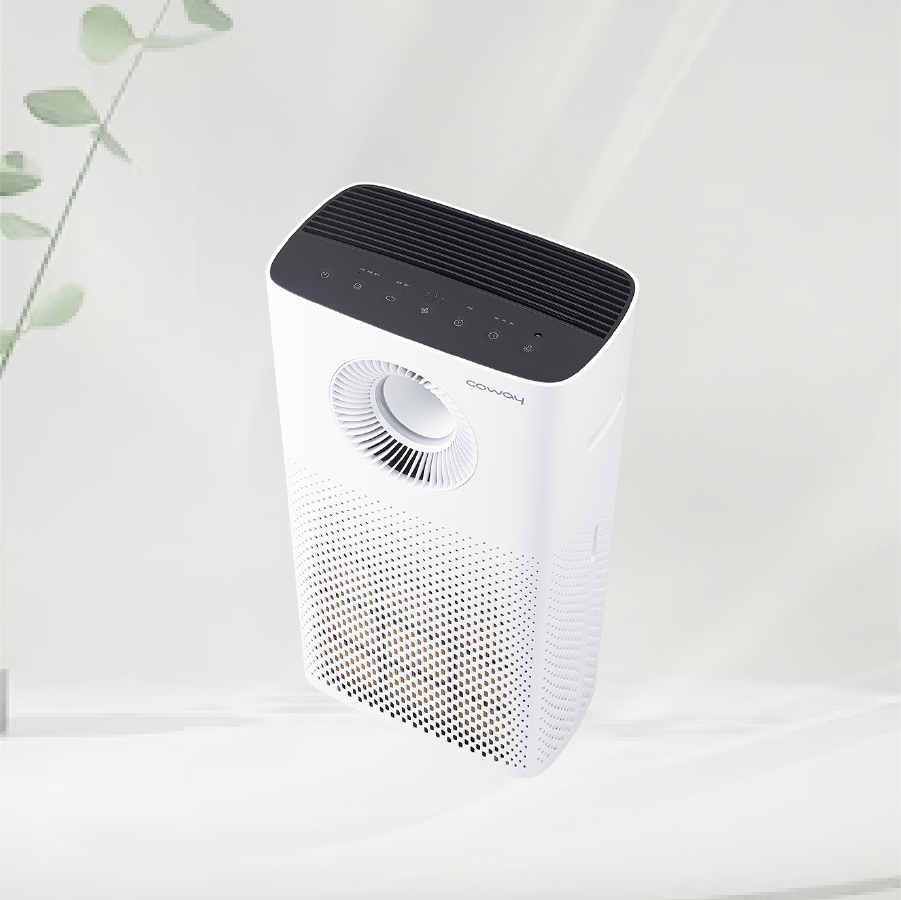
The Science Behind the Serenity: How Air Purifiers Work
At its core, any effective air purifier, including a sleek blue air purifier, operates on simple yet powerful principles to scrub the air clean. These devices draw in ambient air, pass it through a series of specialized filters, and then release purified air back into the room. This continuous cycle effectively traps airborne particles, volatile organic compounds (VOCs), and other pollutants that can degrade indoor air quality.
A Brief History of Clean Air Technology
The concept of air purification isn’t new. Early forms involved simple ventilation and filtration. However, the modern air purifier as we know it began to take shape in the mid-20th century with the development of HEPA (High-Efficiency Particulate Air) filters for critical applications. Today, the technology has evolved dramatically, with sophisticated multi-stage filtration systems and smart features becoming standard, even in a stylish blue air purifier designed for the modern home.
Unpacking the Filters: Your Blue Air Purifier’s Inner Workings
The heart of any air purifier lies in its filtration system. A high-quality blue air purifier will typically feature a combination of filters, each targeting different types of pollutants.
- Pre-filter: This is the first line of defense, designed to capture larger particles like dust, pet hair, and lint. Regularly cleaning your pre-filter is crucial for maintaining the efficiency and longevity of your blue air purifier.
- HEPA Filter: The workhorse of air purification, a true HEPA filter can capture 99.97% of airborne particles as small as 0.3 microns. This includes pollen, mold spores, dust mites, and pet dander – common triggers for allergies and asthma.
- Activated Carbon Filter: Essential for tackling odors and harmful gases, an activated carbon filter absorbs smoke, cooking smells, pet odors, and VOCs from household cleaners, paints, and furnishings. This is particularly important for maintaining fresh indoor air, making your blue air purifier a true asset.
- Other Technologies: Some advanced blue air purifier models may incorporate additional features like UV-C light (to kill bacteria and viruses), ionizers (to clump particles together for easier filtration), or photocatalytic oxidation (PCO) for breaking down VOCs. It’s important to understand these technologies to choose the right blue air purifier for your specific needs.
Choosing Your Ideal Blue Air Purifier: A Blend of Style and Substance
Selecting the perfect blue air purifier involves more than just picking a color; it’s about aligning aesthetic desires with practical needs. Consider the room size, your specific air quality concerns, and the features that matter most to you.
Essential Factors When Buying a Blue Air Purifier
- CADR (Clean Air Delivery Rate): This metric indicates how quickly the purifier cleans a room of specific particle sizes (pollen, dust, smoke). Look for a blue air purifier with a CADR rating appropriate for your room size.
- Room Size Coverage: Manufacturers typically specify the maximum square footage a unit can effectively purify. Ensure your chosen blue air purifier matches or exceeds the area of your room for optimal performance.
- Noise Level: Air purifiers operate continuously, so noise level is a significant factor, especially for bedrooms or offices. Look for models with a low decibel rating, particularly on their lowest fan settings. A quiet blue air purifier can provide clean air without disrupting your peace.
- Filter Replacement Costs: Filters need regular replacement. Factor in the cost and availability of replacement filters when making your purchase.
- Smart Features: Many modern blue air purifiers come with Wi-Fi connectivity, app control, air quality sensors, and auto modes, offering convenience and energy efficiency.
Placement and Maintenance Tips for Your Blue Air Purifier
To maximize the effectiveness of your blue air purifier, strategic placement and consistent maintenance are key.
- Optimal Placement: Position your blue air purifier in areas where air circulation is good, and pollutants are likely to be highest, such as living rooms, bedrooms, or near pet areas. Avoid placing it in corners or directly against walls, which can hinder airflow.
- Regular Cleaning: Periodically wipe down the exterior of your blue air purifier to prevent dust buildup. Clean or replace pre-filters as recommended by the manufacturer – usually every 2-4 weeks for cleaning, and every 3-6 months for replacement.
- Filter Replacement Schedule: Adhere strictly to the manufacturer’s recommended schedule for replacing HEPA and activated carbon filters. Neglecting this can significantly reduce efficiency and even recirculate trapped pollutants. Most blue air purifier models have indicators to remind you.
The Health and Lifestyle Benefits of a Blue Air Purifier
The impact of clean indoor air extends far beyond simply removing dust. Investing in a high-quality blue air purifier can lead to tangible improvements in health and overall quality of life.
Breathing Easier: Relief for Allergy and Asthma Sufferers
For individuals with allergies, asthma, or other respiratory sensitivities, a blue air purifier can be a game-changer. By effectively removing pollen, pet dander, dust mites, and mold spores, it creates a sanctuary where triggers are significantly reduced. Many users report fewer allergy symptoms, better sleep, and an overall improvement in respiratory health.
Eliminating Odors and Freshening Your Home
Beyond allergens, indoor air is often plagued by unpleasant odors from cooking, pets, smoke, and even new furniture or carpets. The activated carbon filter in your blue air purifier is exceptionally good at neutralizing these smells, leaving your home smelling genuinely fresh and clean, not just masked with artificial fragrances.
Protecting Your Long-Term Health
Exposure to fine particulate matter (PM2.5) and VOCs has been linked to various long-term health issues, including cardiovascular problems and respiratory illnesses. A blue air purifier acts as a proactive defense mechanism, continuously working to reduce your exposure to these harmful contaminants, contributing to better long-term health for you and your family.
“Choosing a blue air purifier isn’t just about selecting a device; it’s about making a conscious decision for well-being and home harmony,” says Dr. Emily R. Chen, a leading environmental health specialist. “The integration of advanced filtration with thoughtful design means cleaner air can truly become an integral part of a healthy, modern lifestyle.”
Beyond Basic Filtration: Advanced Features and Smart Integration
The market for blue air purifier models is constantly evolving, with manufacturers integrating smart technology and user-centric features.
- Air Quality Sensors: Many advanced blue air purifiers include sensors that detect the level of pollutants in your air and automatically adjust fan speed to optimize purification.
- App Control: Manage your blue air purifier from anywhere using a smartphone app, scheduling operations, monitoring air quality, and even ordering replacement filters.
- Quiet Modes: Designed for bedrooms, these modes operate at ultra-low noise levels while still providing effective purification.
- Energy Efficiency: Look for ENERGY STAR certified models, ensuring your blue air purifier cleans your air effectively without significantly increasing your electricity bill.
Common Misconceptions About Air Purifiers
It’s easy to fall for myths surrounding air purification. Let’s clear up a few:
- Myth 1: Air purifiers replace ventilation. While they clean indoor air, air purifiers don’t bring in fresh outdoor air. Regular ventilation, like opening windows, is still important.
- Myth 2: All air purifiers are the same. Different models offer varying levels of filtration, coverage, and features. A basic model won’t handle severe allergies as effectively as a robust blue air purifier with multi-stage filtration.
- Myth 3: You only need an air purifier if you have allergies. Everyone benefits from cleaner air, reducing exposure to pollutants that can impact long-term health, even if you don’t experience immediate symptoms.
Frequently Asked Questions About Blue Air Purifiers
What is CADR and why is it important for a blue air purifier?
CADR stands for Clean Air Delivery Rate and measures how quickly an air purifier removes pollutants from a room. A higher CADR indicates faster and more effective air purification for your blue air purifier, especially crucial for larger spaces or areas with higher pollution levels.
How often should I replace the filters in my blue air purifier?
Filter replacement frequency varies by model and usage, but generally, HEPA filters should be replaced every 6-12 months, and activated carbon filters every 3-6 months. Always check your specific blue air purifier’s manual for recommendations.
Can a blue air purifier help with pet odors?
Absolutely! A blue air purifier equipped with an activated carbon filter is highly effective at absorbing and neutralizing pet odors, along with other common household smells, leaving your home smelling fresher.
Are blue air purifiers suitable for large rooms?
Yes, many blue air purifier models are designed for large spaces, indicated by their CADR rating and specified room coverage. Ensure you choose a model with appropriate specifications for the square footage of your room.
Do blue air purifiers use a lot of electricity?
Modern blue air purifier models are often energy-efficient, with many being ENERGY STAR certified. While they run continuously, their power consumption is typically low, especially on lower fan settings, making them an economical choice for ongoing air quality improvement.
Embracing a Fresher Future with Your Blue Air Purifier
The journey to a healthier, more comfortable home environment often begins with the air we breathe. A blue air purifier, with its inviting aesthetic and powerful technology, stands as a testament to the fact that form and function can beautifully coexist. It’s more than just a home appliance; it’s an investment in well-being, a statement of style, and a commitment to breathing cleaner, fresher air every single day. So, take the leap, experience the difference, and let your blue air purifier be the silent guardian of your home’s atmosphere. The future of clean air is vibrant, effective, and perhaps, a beautiful shade of blue.