Ever walk into a spacious living area, a bustling open-plan office, or a grand bedroom and feel like the air is just… stagnant? You’re not alone. Many homeowners and businesses struggle with maintaining crisp, clean air in larger spaces, often wondering if a single device can truly make a difference. The truth is, investing in a high-quality large room air purifier isn’t just a luxury; it’s a fundamental step towards a healthier, more vibrant environment. But what exactly makes an air purifier “large room” ready, and how can you pick the perfect one to transform your expansive areas? Let’s dive in.
|
Our Picks for the Best Air Purifier in 2026
As an Amazon Associate I earn from qualifying purchases.
|
||
| Num | Product | Action |
|---|---|---|
| 1 | LEVOIT Air Purifiers for Bedroom Home Dorm, 3-in-1 Filter Cleaner with Fragrance Sponge for Better Sleep,Portable Filters Smoke, Allergens, Pet Dander, Odor, Dust, Office, Desktop, Core Mini-P, White |

|
| 2 | Air Purifiers for Home with H13 True HEPA Filter Up to 1076 Ft² for Pet Hair, Odors, Pollen, Smoke, Compact Air Cleaner with 3 Speeds, Timer, Aroma Quiet 360°Intake Filter, White |
|
| 3 | LEVOIT Air Purifier for Home Large Room Up to 1073Ft² with Air Quality Monitor, AHAM VERIFIDE, Smart WiFi, Washable Pre-Filter, HEPA Sleep Mode for Pets, Allergies, Dust, Pollen, Vital 100S-P, White |
|
| 4 | 3 Pcs 2026 New Magair Air Purifier For M0ld, Magair Air Purifier Plug In No Filter Replacement, Mag Air Purifiers, Living Room,Pet Room, Air Purifiers For Bedroom |
|
| 5 | KNKA Air Purifier for Home Bedroom Large Room Up to 3,500 Ft², HEPA Air Cleaner with Washable Pre-Filter, AHAM VERIFIDE, AQI Display, ECO Mode, Pet Mode for Pets, Allergies, Dust, Pollen, APH4000 |
|
| 6 | AIRDOCTOR 3000 Series (AirDoctor 3000) |
|
| 7 | GermGuardian 4-In-1 HEPA Air Purifier for Home, Large Rooms Up To 743 Sq. Ft. with HEPA Air Filter, UV-C Light & Odor Reduction, AC4825E, 22\" Tower, Gray |
|
| 8 | LEVOIT Air Purifier for Home Allergies Pet Hair in Bedroom, Covers Up to 1073 ft² by 56W High Torque Motor, AHAM VERIFIDE, 3-in-1 Filter with HEPA Sleep Mode, Remove Dust Smoke Odor, Core300-P, White |
|
| 9 | KNKA Genuine Air Purifier Replacement Filter, True HEPA Filter Compatible with APH30000 for High-Efficiency Air Filtration, Odor and Smoke Reduction, Pet Dander Version, 2 Pack |
|
| 10 | Plug In Negative Ion Air Purifier, with Colorful Night Light, with One Replacement Filter, for Home, Kitchen, Bathroom,Toilet |
|
Unveiling the Science: How Air Purifiers Tackle Big Spaces
At its core, an air purifier is a straightforward device: it pulls in ambient air, traps airborne pollutants, and then releases purified air back into the room. For smaller spaces, this process is relatively simple. But when we talk about large rooms—often defined as anything from 300 to over 1,000 square feet—the game changes entirely. A standard air purifier designed for a cozy bedroom simply won’t cut it. Why? Because the sheer volume of air in larger spaces requires a much more robust system to achieve effective and consistent purification.
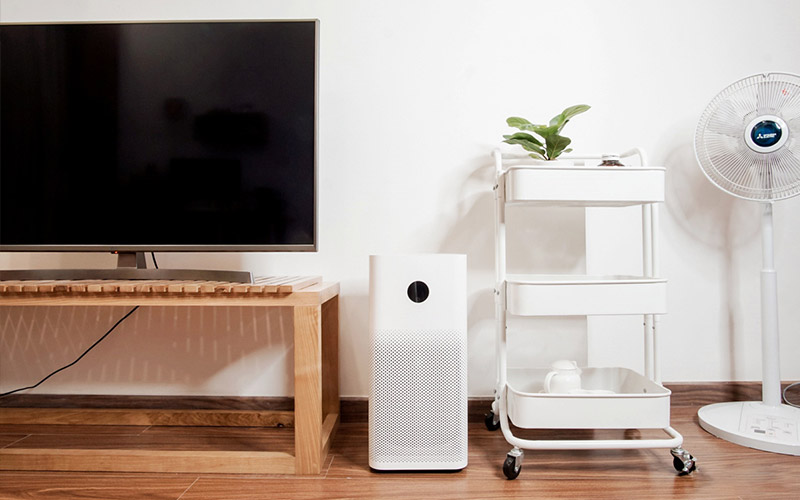
Think of it like trying to mop a basketball court with a kitchen towel; it’s just not built for the job. Large room air purifiers are engineered with powerful motors and fans capable of generating a high Cubic Feet per Minute (CFM) airflow. This isn’t just about moving air around; it’s about creating a “vacuum effect” that can draw air from every corner, even those distant from the unit, ensuring pollutants don’t just linger or recirculate. This powerful suction works hand-in-hand with an efficient Clean Air Delivery Rate (CADR), which is the key metric indicating how quickly an air purifier cleans a room of specific particle types like smoke, dust, and pollen.
What is CADR and Why Does it Matter for Large Rooms?
CADR, or Clean Air Delivery Rate, is a measurement developed by the Association of Home Appliance Manufacturers (AHAM) to help consumers compare the performance of air purifiers. It tells you how much clean air an air purifier delivers per minute for specific pollutants. For large rooms, a high CADR rating is non-negotiable, ensuring the device can adequately clean the vast volume of air multiple times an hour. A common guideline is to choose an air purifier with a CADR rating that is at least two-thirds of your room’s square footage. For example, a 750-square-foot room would ideally need a CADR of 500.
The Filtration Powerhouse: Inside a Large Room Air Purifier
The magic of an air purifier truly happens within its filtration system. For expansive areas, a multi-stage approach is absolutely essential to tackle the diverse range of pollutants that can accumulate.
The Essential Trio: Pre-filters, HEPA, and Activated Carbon
- Pre-filters: These are the first line of defense, capturing larger particles like pet hair, lint, and visible dust. In a large room, where more dust and dander might be present, a heavy-duty pre-filter is crucial. It extends the life of the more expensive HEPA filter beneath it, saving you money and maintenance hassle in the long run. Many modern pre-filters are washable, adding to their convenience.
- True HEPA Filters: Standing for High-Efficiency Particulate Air, a True HEPA filter is the gold standard. It’s designed to capture at least 99.97% of airborne particles as tiny as 0.3 microns. This includes common allergens like pollen, dust mites, mold spores, and pet dander, as well as bacteria and even some viruses. For large rooms, high-capacity HEPA filters are vital, with a significantly larger surface area to handle greater quantities of pollutants without premature clogging.
- Activated Carbon Filters: While HEPA filters excel at capturing particulate matter, they do little for odors and gaseous pollutants. That’s where activated carbon comes in. These filters are made from highly porous carbon that absorbs Volatile Organic Compounds (VOCs) from furnishings, cleaning products, cooking emissions, pet odors, and even outdoor pollution seeping indoors. In large, open spaces where odors can linger and spread quickly, a thick bed of activated carbon is indispensable for truly fresh air.
Beyond the Basics: Advanced Technologies
Some advanced large room air purifiers incorporate additional technologies to further enhance air quality:
- Ionizers: These release negatively charged ions that attract and clump airborne particles, making them heavier so they fall out of the air or are more easily captured by filters. Many models offer an optional ionizer function.
- UV-C Light: Ultraviolet-C light can be used to kill bacteria, viruses, and mold spores as air passes through the unit, providing an extra layer of sanitation.
Choosing Your Champion: A Buying Guide for Large Room Air Purifiers
Selecting the right large room air purifier can feel like a quest, but with the right knowledge, you’ll find your perfect match. Here’s a checklist to guide your decision:
Match it to Your Space: Room Size and CADR
First things first, accurately measure the square footage of your room. Remember the CADR guideline: at least two-thirds of your room’s square footage. A room typically defined as “large” ranges from 300 to over 1000 sq ft. Look for an air purifier specifically marketed for “large” or “extra-large” rooms, often with CADR ratings exceeding 200 CFM, and sometimes reaching 400 CFM or even higher. Don’t fall for the misconception that a physically larger or noisier unit automatically means better performance; modern technology allows for powerful purification in surprisingly compact and quiet designs.
Filtration System: The More, The Merrier
Always prioritize models featuring a multi-stage filtration system, including a pre-filter, a True HEPA filter, and an activated carbon filter. This combination ensures comprehensive removal of both particulate matter and gaseous pollutants. For specific concerns, like heavy smoke or pet odors, look for models with extra-thick activated carbon filters or specialized filters for those issues.
Noise Level: Silence is Golden
A powerful air purifier doesn’t have to sound like a jet engine. Check the noise level specifications, usually measured in decibels (dB). Many large room air purifiers now offer “sleep modes” or lower fan settings that operate at whisper-quiet levels (e.g., below 30-35 dB), making them suitable for bedrooms or quiet common areas.
Energy Efficiency: Keeping Your Bill Down
Since a large room air purifier will likely run for extended periods, energy consumption is a crucial factor. Look for ENERGY STAR certified models, which are independently verified to be more energy-efficient, saving you money on electricity bills without compromising performance.
Smart Features and Controls: Convenience at Your Fingertips
Many modern large room air purifiers come with a host of convenient features:
- Auto Mode: This feature uses built-in air quality sensors to automatically adjust fan speed based on the detected pollutant levels, ensuring optimal purification with minimal intervention.
- Timers: Set the purifier to run for a specific duration.
- Filter Replacement Indicators: These lights or alerts tell you exactly when it’s time to change filters, ensuring consistent performance.
- Wi-Fi Connectivity & App Control: Control your air purifier from your smartphone, monitor air quality, and even set schedules remotely.
- Child Lock: Essential for homes with curious little ones.
Beyond the Purchase: Usage and Maintenance Tips
Getting a large room air purifier is just the first step. To ensure it performs at its best, ongoing care is key.
Placement Matters
Where you put your air purifier can significantly impact its effectiveness in a large room. Ideally, place it in a central location, away from walls or furniture that might obstruct airflow. Keep doors open to interconnected rooms to allow for better air circulation if you’re trying to purify adjacent areas with a single unit. Avoid placing it directly next to sources of pollution like a constantly smoky kitchen range, as it may struggle to keep up.
Regular Filter Changes
This is perhaps the most critical maintenance task. Clogged filters lose their effectiveness and can strain the motor, reducing the lifespan of your unit. Follow the manufacturer’s recommendations for filter replacement, typically every 6-12 months for HEPA and activated carbon filters, depending on usage and air quality. Clean or wash pre-filters regularly as instructed.
Optimize Settings
While “auto mode” is fantastic, don’t be afraid to manually increase the fan speed during times of higher pollution, such as during cooking, when pets are particularly active, or when outdoor allergens are high. Conversely, you can use quieter modes during sleep.
The Breath of Fresh Air: Health Benefits and Quality of Life
The impact of clean air in large spaces extends far beyond just “feeling fresh.” For families, pet owners, and anyone spending significant time indoors, the benefits are profound.
Alleviating Allergies and Asthma
For sufferers of allergies and asthma, a large room air purifier is a game-changer. By effectively removing pollen, pet dander, dust mites, and mold spores, it significantly reduces triggers that can lead to sneezing, coughing, watery eyes, and respiratory distress. Imagine waking up in a large bedroom, free from overnight sniffles – that’s the power of clean air.
Eliminating Odors and VOCs
From lingering cooking smells and pet odors to the faint chemical scent from new furniture or cleaning products, large open spaces can easily become a repository for unpleasant aromas and harmful Volatile Organic Compounds. An air purifier with a robust activated carbon filter diligently scrubs these from the air, leaving your home smelling genuinely clean, not just masked by air fresheners.
Reducing Airborne Pathogens
Beyond allergens, air purifiers can trap airborne bacteria and viruses, contributing to a healthier indoor environment, especially during cold and flu season. This is particularly valuable in shared large spaces where germs can spread more easily.
Enhanced Well-being and Productivity
Breathing cleaner air has tangible benefits for overall well-being. Reduced exposure to pollutants can lead to better sleep quality, fewer headaches, and even improved concentration and cognitive function. In an office setting, this translates to greater productivity and a more pleasant working environment. As Dr. Evelyn Reed, an Air Quality Scientist, often states, “Clean air isn’t just about what you don’t breathe in; it’s about the vitality you gain from truly fresh, pure oxygen nourishing your body and mind.”
Common Questions About Large Room Air Purifiers
How many air changes per hour (ACH) should I look for?
For optimal air quality, especially for allergy sufferers, aim for an air purifier that can achieve at least 4-5 air changes per hour (ACH) in your large room. This means the purifier cleans all the air in the room 4-5 times every hour.
Can one large room air purifier clean an entire open-concept floor?
A single, powerful large room air purifier can significantly improve air quality in an open-concept space, but its effectiveness diminishes with distance, especially if there are many turns or obstructions. For very large or multi-zone open areas, you might consider one strategically placed high-CADR unit or multiple smaller units.
Are all HEPA filters the same?
No. Always look for “True HEPA” filters, which meet the strict standard of capturing 99.97% of particles as small as 0.3 microns. Some manufacturers use terms like “HEPA-type” or “HEPA-like,” which may not offer the same level of filtration.
Do large room air purifiers use a lot of electricity?
Modern, ENERGY STAR certified large room air purifiers are designed to be energy-efficient. While they use more power than smaller units, the cost of running them is often minimal compared to the health benefits, especially when using auto mode or lower fan settings.
Can air purifiers help with pet odors in large rooms?
Absolutely! Air purifiers equipped with activated carbon filters are highly effective at absorbing and neutralizing pet odors, along with other common household smells, making them a must-have for large rooms where furry friends roam.
Final Thoughts: Embrace the CleanAir Home Difference
Navigating the world of air purification, especially for larger spaces, can seem daunting. But by understanding key metrics like CADR, recognizing the power of multi-stage filtration, and prioritizing features that enhance both performance and convenience, you’re well on your way to making an informed decision.
At CleanAir Home, we believe everyone deserves to breathe truly clean air, regardless of room size. A large room air purifier isn’t merely an appliance; it’s an investment in your health, comfort, and overall quality of life. Experience the profound difference that fresh, purified air can make in your most expansive spaces. Your lungs—and your family—will thank you for it.