The silent invasion of mold can turn your cozy home into a health hazard, often leaving a tell-tale musty smell and a lingering sense of unease. You might be wondering, “Can an air purifier truly help with mold?” The answer is a resounding yes, but it’s crucial to understand its specific role. An air purifier for mold is an indispensable tool in your fight for cleaner indoor air, expertly capturing airborne mold spores and improving the overall quality of the air you breathe. It’s not a magic bullet for mold removal, but it’s a powerful ally in creating a healthier living environment.
|
Our Picks for the Best Air Purifier in 2026
As an Amazon Associate I earn from qualifying purchases.
|
||
| Num | Product | Action |
|---|---|---|
| 1 | Plug In Negative Ion Air Purifier, with Colorful Night Light, with One Replacement Filter, for Home, Kitchen, Bathroom,Toilet |

|
| 2 | LEVOIT Air Purifier for Home Allergies Pet Hair in Bedroom, Covers Up to 1073 ft² by 56W High Torque Motor, AHAM VERIFIDE, 3-in-1 Filter with HEPA Sleep Mode, Remove Dust Smoke Odor, Core300-P, White |
|
| 3 | GermGuardian 4-In-1 HEPA Air Purifier for Home, Large Rooms Up To 743 Sq. Ft. with HEPA Air Filter, UV-C Light & Odor Reduction, AC4825E, 22\" Tower, Gray |
|
| 4 | KNKA Air Purifier for Home Bedroom Large Room Up to 3,500 Ft², HEPA Air Cleaner with Washable Pre-Filter, AHAM VERIFIDE, AQI Display, ECO Mode, Pet Mode for Pets, Allergies, Dust, Pollen, APH4000 |
|
| 5 | LEVOIT Air Purifiers for Bedroom Home Dorm, 3-in-1 Filter Cleaner with Fragrance Sponge for Better Sleep,Portable Filters Smoke, Allergens, Pet Dander, Odor, Dust, Office, Desktop, Core Mini-P, White |
|
| 6 | Air Purifiers for Home with H13 True HEPA Filter Up to 1076 Ft² for Pet Hair, Odors, Pollen, Smoke, Compact Air Cleaner with 3 Speeds, Timer, Aroma Quiet 360°Intake Filter, White |
|
| 7 | AIRDOCTOR 3000 Series (AirDoctor 3000) |
|
| 8 | LEVOIT Air Purifier for Home Large Room Up to 1073Ft² with Air Quality Monitor, AHAM VERIFIDE, Smart WiFi, Washable Pre-Filter, HEPA Sleep Mode for Pets, Allergies, Dust, Pollen, Vital 100S-P, White |
|
| 9 | KNKA Genuine Air Purifier Replacement Filter, True HEPA Filter Compatible with APH30000 for High-Efficiency Air Filtration, Odor and Smoke Reduction, Pet Dander Version, 2 Pack |
|
| 10 | 3 Pcs 2026 New Magair Air Purifier For M0ld, Magair Air Purifier Plug In No Filter Replacement, Mag Air Purifiers, Living Room,Pet Room, Air Purifiers For Bedroom |
|
Understanding Mold and Its Impact on Indoor Air Quality
Mold isn’t just unsightly; it’s a living organism that thrives in damp, humid environments. When mold grows, it releases tiny, microscopic spores into the air, which can then be inhaled by you and your family. These spores are pervasive and often invisible, making them a sneaky threat to your indoor air quality.
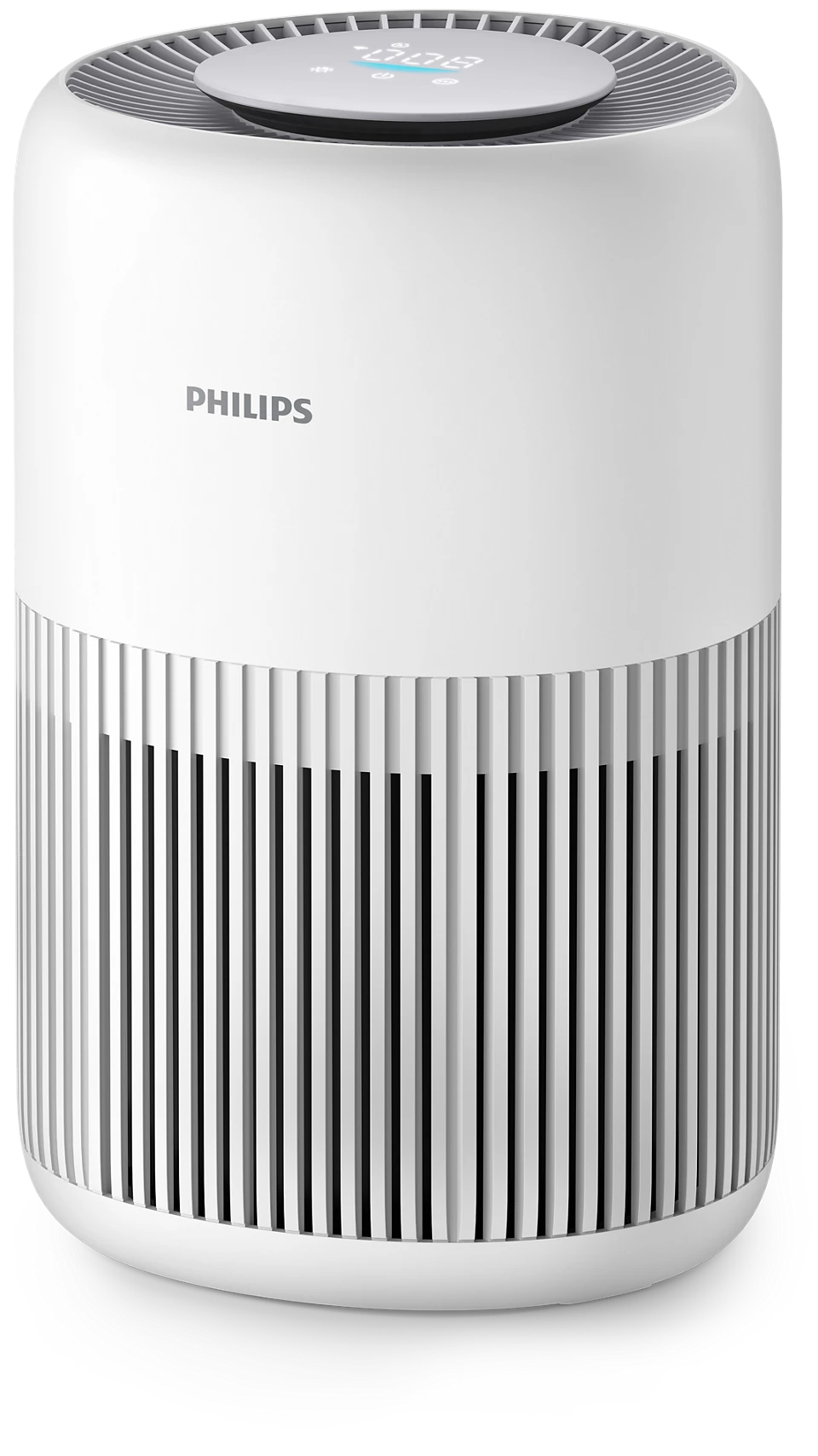
What happens when you breathe in mold spores? For many, it triggers allergic reactions, leading to symptoms like sneezing, runny nose, itchy eyes, skin rashes, and even asthma attacks. For those with compromised immune systems or pre-existing respiratory conditions, the effects can be more severe, potentially causing serious lung infections. Even without visible mold growth, a persistent musty odor often signals its presence, indicating that these spores are likely circulating in your air. Addressing the airborne component is vital for your health and comfort.
The Role of an Air Purifier for Mold: A Solution, Not a Cure
It’s important to clarify what an air purifier for mold does and doesn’t do. An air purifier is designed to filter the air, trapping airborne particles, including mold spores. It effectively reduces the concentration of these irritating and potentially harmful particles in your breathing space. However, it cannot remove the mold growth itself, nor can it prevent mold from forming. Think of it as managing the symptoms in your air, while the root cause (the moisture source) still needs to be addressed.
“An air purifier is an excellent proactive and reactive measure for airborne mold spores, but it’s vital to remember that it complements, rather than replaces, professional mold remediation,” advises Dr. Evelyn Reed, a leading environmental health specialist. “You must always address the moisture source that is allowing the mold to grow.” Once the physical mold has been cleaned and the moisture problem resolved, an air purifier helps clear the lingering spores and odors, preventing their recirculation and minimizing exposure.
Key Technologies to Look for in an Air Purifier for Mold
When choosing an air purifier for mold, not all devices are created equal. Specific filter technologies are far more effective than others at capturing these microscopic invaders.
HEPA Filters: The Absolute Essential
The High-Efficiency Particulate Air (HEPA) filter is your non-negotiable first line of defense against mold spores. True HEPA filters are designed to capture 99.97% of airborne particles 0.3 microns in size, which is well within the range of most mold spores. This mechanical filtration system physically traps the spores, preventing them from recirculating into your breathing air. When evaluating an air purifier for mold, always confirm it features a “True HEPA” filter. Be wary of products that claim “HEPA-type” or “HEPA-like” filters, as these may not meet the stringent effectiveness standards.
Activated Carbon Filters: For Musty Odors
While HEPA filters excel at capturing spores, they don’t do much for the musty smell that often accompanies mold. That’s where an activated carbon filter comes in. Activated carbon is highly porous and works by adsorbing odors, gases, and volatile organic compounds (VOCs) from the air. If you’re dealing with the lingering, unpleasant smell of mold, an air purifier equipped with a robust activated carbon filter is a smart choice.
UV-C Light: Supplemental, With Precautions
Some air purifiers include UV-C light technology, which can destroy the DNA of microorganisms like bacteria, viruses, and mold spores, theoretically rendering them inactive. While UV-C can be a helpful supplemental feature, it’s not a standalone solution for mold. It works best when spores are exposed to the light for a sufficient duration and intensity, which might not always happen as particles quickly pass through a purifier. Furthermore, ensure any UV-C feature is enclosed to prevent direct eye or skin exposure. Always research the specific implementation if considering this feature.
Negative Ionizers and Ozone Generators: Exercise Caution
Some air purifiers use ionizers to charge particles, making them clump together and fall out of the air. While this can reduce airborne particles, some ionizers produce ozone as a byproduct. Ozone generators, specifically designed to produce ozone, are generally not recommended. Ozone is a lung irritant and can be harmful to respiratory health, especially for individuals with asthma or other breathing conditions. Always check if a device produces ozone, and if so, consider alternatives. Your health should always be the top priority.
Choosing the Best Air Purifier for Mold: What Matters Most
Selecting the right air purifier for mold involves more than just picking one with a HEPA filter. Here are the critical factors to consider:
CADR Ratings and Room Size
The Clean Air Delivery Rate (CADR) is a crucial metric, indicating how quickly an air purifier removes pollutants from a room. Look for CADR numbers for pollen, dust, and smoke, as these reflect the unit’s ability to clean various particle sizes, including mold spores. Match the CADR rating to your room size. A general rule of thumb: ensure the air purifier can filter the air in your room at least 4-5 times per hour. If you place a unit designed for a small bedroom in a large living area, it simply won’t be effective. Consider the volume of air it needs to process.
Filter Replacement Frequency and Cost
Air filters are not forever. HEPA and activated carbon filters need to be replaced periodically, typically every 6-12 months, depending on usage and air quality. Before purchasing, check the cost and availability of replacement filters. Over time, these costs can add up, so factor them into your budget. Neglecting to replace filters can render your air purifier ineffective and, in some cases, even redistribute captured particles.
Noise Levels
An air purifier is often a constant companion, especially if you run it continuously. Check the noise level, usually measured in decibels (dB). A unit that’s too loud can be disruptive, particularly in bedrooms or home offices. Many modern air purifiers offer different fan speeds, with quieter modes for nighttime use.
Smart Features
While not essential for mold removal, smart features can enhance convenience. These might include Wi-Fi connectivity for remote control via an app, air quality sensors that automatically adjust fan speed, filter replacement indicators, and scheduling options. These features can help you maintain optimal air quality without constant manual adjustments.
Maximizing the Effectiveness of Your Air Purifier for Mold
Simply plugging in an air purifier for mold isn’t enough; strategic use and maintenance are key to its success.
Placement Strategies
For optimal performance, place your air purifier in the room where mold activity is suspected or where you spend the most time. Avoid placing it directly against a wall or behind furniture, as this can obstruct airflow. Ideally, position it in a central location, allowing it to draw air from all directions. If you have a multi-level home, consider units for different floors, or move a portable unit to different areas throughout the day.
Regular Maintenance
Just like any appliance, your air purifier needs regular care. This means checking and replacing filters on schedule. A clogged filter can reduce airflow, diminish efficiency, and potentially become a breeding ground for bacteria or mold if left unchecked. Periodically vacuum the exterior pre-filter to remove larger dust particles, which helps extend the life of your main HEPA filter.
The Importance of Source Remediation
This cannot be stressed enough: an air purifier for mold is a supplementary tool. Its effectiveness is severely limited if the underlying mold source isn’t addressed. If you have visible mold, it must be physically removed, and the moisture problem (e.g., leaky pipe, high humidity) must be fixed. After remediation, an air purifier helps clear any remaining airborne spores and odors, preventing recurrence and ensuring lasting air quality improvement.
Combining with Dehumidifiers
Mold thrives in high humidity. For comprehensive mold control, especially in damp basements, bathrooms, or laundry rooms, consider pairing your air purifier with a dehumidifier. A dehumidifier removes excess moisture from the air, creating an environment less conducive to mold growth. By controlling humidity levels, you directly tackle one of mold’s primary requirements for survival.
Debunking Common Myths About Air Purifiers and Mold
Misinformation can lead to ineffective solutions. Let’s clear up a couple of common myths.
Myth: An air purifier will eliminate all mold.
Truth: An air purifier only deals with airborne mold spores. It will not kill mold growing on surfaces, nor will it prevent new mold growth if the moisture source is still present. It’s a critical part of a comprehensive strategy, not a standalone fix.
Myth: Any air purifier will do the job.
Truth: As discussed, only air purifiers equipped with True HEPA filters are genuinely effective at capturing mold spores. Lesser “HEPA-type” filters or those relying solely on ionization will not provide the same level of protection. Research and choose wisely.
Frequently Asked Questions
Can an air purifier kill mold?
No, an air purifier cannot kill mold growing on surfaces. Its primary function is to capture and remove airborne mold spores, reducing their concentration in your indoor air and mitigating health risks associated with inhalation.
How quickly can an air purifier help with mold smell?
An air purifier equipped with a robust activated carbon filter can begin to reduce mold odors within hours of operation, depending on the room size and the severity of the smell. Consistent use is key for sustained odor reduction.
What is the best type of filter for mold?
The best filter type for mold is a True HEPA filter, which can capture 99.97% of airborne particles as small as 0.3 microns, including most mold spores. An activated carbon filter is also highly recommended for removing musty mold odors.
Should I run my air purifier all the time if I have mold?
Yes, it is generally recommended to run your air purifier continuously, especially when dealing with mold. This ensures a consistent reduction in airborne mold spores and helps maintain optimal indoor air quality around the clock.
What else should I do besides using an air purifier for mold?
Beyond using an air purifier for mold, you must identify and fix the source of moisture that is causing the mold to grow. Physically clean and remove any visible mold, control indoor humidity levels (ideally below 60%), and ensure adequate ventilation in damp areas.
Breathe Easier with CleanAir Home
Taking control of your indoor air quality is paramount for your health and well-being, especially when dealing with mold. An air purifier for mold, particularly one equipped with a True HEPA filter and activated carbon, is an invaluable tool in reducing airborne spores and unpleasant odors. However, remember it’s part of a larger strategy that always begins with addressing the mold’s source. By understanding the technology, making informed choices, and committing to proper maintenance, you can transform your home into a sanctuary of fresh, clean air. Explore CleanAir Home’s advanced air purification solutions today to find the perfect ally in your quest for a healthier home.