Ever walked into a room and been hit by that unmistakable, lingering smell of smoke? Whether it’s from cooking mishaps, an occasional cigar, or the dreaded wildfire season, indoor smoke isn’t just unpleasant—it’s a serious air quality concern. If you’re tired of holding your breath or constantly airing out your home, investing in an effective Air Purifier For Smoke might just be the breath of fresh air you’ve been searching for. It’s about more than just masking smells; it’s about truly cleaning the air you and your loved ones breathe.
Understanding the Smoke Problem in Your Home
Smoke, in its various forms, is a complex cocktail of microscopic particles and harmful gases. From the sticky residue of cigarette smoke that clings to every surface to the acrid plumes of wildfire smoke that seep in through the smallest cracks, these airborne pollutants can significantly impact your indoor environment. Many of these particles, especially PM2.5 (particulate matter less than 2.5 micrometers in diameter), are small enough to penetrate deep into your lungs, contributing to respiratory issues, aggravating allergies and asthma, and even posing long-term health risks. Then there are the Volatile Organic Compounds (VOCs) and other gases that carry those stubborn odors, turning your home into a less-than-inviting space. Simply put, smoke is a silent intruder that demands a robust defense.
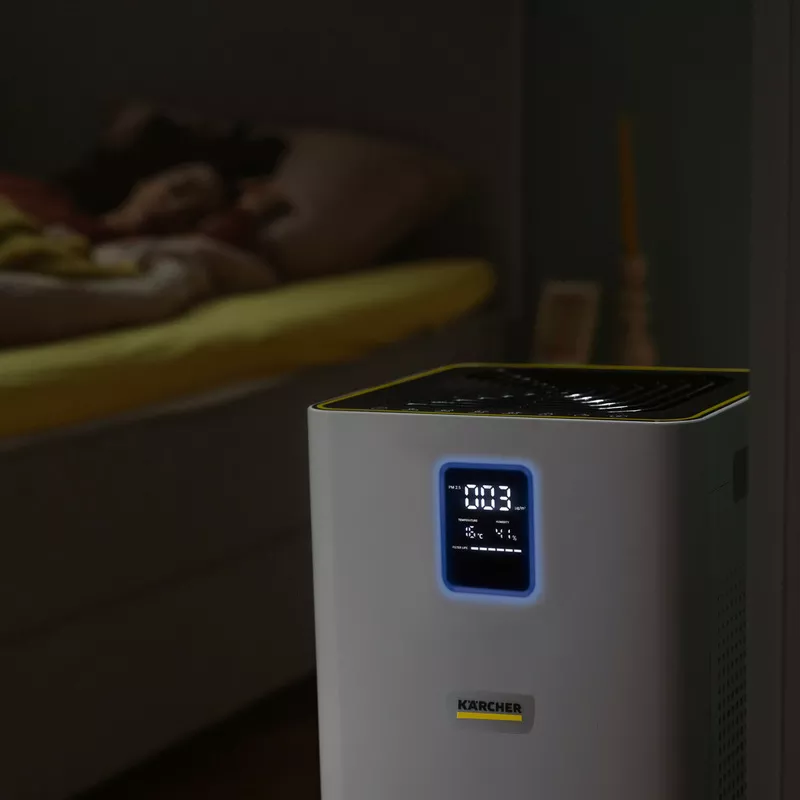
The Science Behind Clean Air: How Air Purifiers Tackle Smoke
So, how exactly does an air purifier stand up to such a pervasive problem? It’s all about a powerful, multi-stage filtration system designed to trap both the tiny particles and the invisible gases that make up smoke.
The Power of HEPA Filtration
At the heart of any effective air purifier for smoke is a True HEPA (High-Efficiency Particulate Air) filter. These dense, fibrous filters are expertly engineered to capture at least 99.97% of airborne particles as small as 0.3 microns. Think about it: cigarette smoke particles typically range from 0.1 to 1.0 microns, while wildfire smoke also contains a significant amount of ultrafine particles. A True HEPA filter acts like a microscopic net, efficiently trapping these hazardous particulates before they can reach your lungs. For superior performance, look for purifiers boasting an H13 medical-grade HEPA filter, which offers even finer particle capture.
The Magic of Activated Carbon
While HEPA filters are champions against particles, they can’t handle the gaseous components and odors that give smoke its notorious reputation. That’s where activated carbon filters come into play. These filters are made from highly porous carbon material that has been treated to create millions of tiny pores. Through a process called adsorption, these pores act like sponges, chemically binding with gas molecules, VOCs, and odor-causing compounds. When it comes to smoke, the more activated carbon, and especially if it’s in a pellet-based form, the better. A substantial amount of pelletized carbon ensures maximum surface area for adsorption, making a dramatic difference in eliminating that lingering smoky smell.
The Multi-Stage Advantage
Most top-tier air purifiers for smoke combine these technologies, often starting with a pre-filter to capture larger particles like dust and pet dander. This not only cleans the air more thoroughly but also extends the life of the more delicate HEPA and carbon filters. Some advanced systems might also incorporate technologies like PlasmaWave or UV-C light, which can further break down pollutants or target microorganisms, though HEPA and activated carbon remain the core components for smoke removal.
Choosing the Right Air Purifier for Your Space
Selecting the perfect air purifier for smoke isn’t a one-size-fits-all situation. It involves matching the device’s capabilities to your specific needs.
Room Size and CADR: A Perfect Match
One of the most critical factors is the Clean Air Delivery Rate (CADR). This metric indicates how quickly an air purifier can remove pollutants from a room. Look for a CADR specifically for “smoke” as it gives you the most relevant measure. You’ll want to choose a purifier with a CADR that aligns with your room’s square footage, ensuring it can process the air effectively multiple times per hour. For highly polluted environments or heavy smoke, aiming for a unit that can achieve 6-8 air changes per hour (ACH) is ideal.
Filter Lifespan and Maintenance
While the initial cost of an air purifier is a consideration, don’t forget the long-term investment in replacement filters. Smoke is a dirty pollutant, and filters exposed to it will saturate faster than in a cleaner environment. Pellet-based carbon filters, especially those with a greater quantity of carbon, tend to last longer and perform better against heavy smoke. Always check the estimated filter lifespan and the cost of replacements to get a clear picture of ongoing expenses. Some units offer convenient filter replacement indicators, taking the guesswork out of maintenance.
Noise Levels: Silence is Golden
An air purifier is meant to improve your living environment, not disrupt it. Consider the noise level, measured in decibels (dBA), especially if the unit will be placed in a bedroom or living area where peace and quiet are valued. Many modern purifiers offer a “sleep mode” or very low fan settings that operate almost silently, allowing you to breathe easy without any audible distractions.
Smart Features: Convenience at Your Fingertips
Today’s air purifiers often come equipped with smart features that enhance usability. Air quality sensors can detect pollutants in real-time and automatically adjust fan speeds, ensuring optimal performance without constant manual intervention. Wi-Fi connectivity allows for remote control via a smartphone app, scheduling, and even voice commands, giving you ultimate control over your indoor air from anywhere.
Maximizing Your Air Purifier’s Effectiveness
An air purifier is a powerful tool, but its true potential is unleashed when used strategically.
- Strategic Placement: Position your air purifier in the room where smoke is most prevalent or where you spend the most time. Placing it centrally, away from walls or furniture that might obstruct airflow, allows for optimal circulation and filtration.
- Run it Consistently: For ongoing smoke issues, running your air purifier continuously, especially in auto mode, is often the best approach. After a smoking event or during wildfire season, running it on a higher setting for a period can rapidly clear the air.
- Complement with Ventilation (Wisely): While air purifiers are great, they aren’t a substitute for fresh air. If outdoor air quality is good, opening windows for short periods can help, but remember to close them during heavy outdoor smoke events like wildfires to prevent more pollutants from entering.
- Don’t Forget Surfaces: Smoke residues, especially from cigarettes, can cling to furniture, curtains, and carpets. Regularly cleaning these surfaces will prevent off-gassing and help your air purifier maintain cleaner air.
- Timely Filter Replacement: This is paramount. Smoke quickly exhausts filters. Pay attention to your unit’s filter indicator or the manufacturer’s recommendations, but be prepared to replace filters more frequently if you’re consistently dealing with smoke.
The Health and Lifestyle Benefits
Beyond the obvious benefit of cleaner air, using an effective air purifier for smoke brings a cascade of positive impacts on your health and home life. Imagine waking up without that scratchy throat or stuffy nose often caused by lingering smoke particles. Allergy and asthma sufferers often experience significant relief, breathing easier and experiencing fewer symptoms.
From a lifestyle perspective, the transformation is remarkable. Say goodbye to stale, smoky odors clinging to your clothes and furniture. Your home feels genuinely fresh and inviting, not just superficially masked. There’s a profound sense of peace knowing that you’re proactively protecting your family’s health by removing harmful pollutants from their breathing space.
Expert Insights
“When advising clients on smoke purification, I always emphasize that the quality and quantity of the activated carbon in a filter are non-negotiable,” says Dr. Anya Sharma, a leading environmental health specialist. “Many overlook this, focusing solely on HEPA, but for true odor and VOC elimination from smoke, robust carbon filtration is key.”
Making the Clear Choice for Your Home
The quest for truly clean air, especially in the face of smoke, is a journey worth taking. By understanding the science behind filtration, focusing on robust HEPA and activated carbon technologies, and making informed choices about room coverage and maintenance, you can transform your home into a sanctuary of fresh, breathable air. An air purifier for smoke isn’t just an appliance; it’s an investment in your health, comfort, and peace of mind. Breathe deeply, live freely, and let CleanAir Home guide you to a healthier indoor environment.