Ever feel like your home’s air could use a breath of fresh air, literally? You’re not alone. With growing awareness of indoor air quality, more and more people are asking, “Where can I find an Air Purifier Near Me?” It’s a smart question, because getting the right device can dramatically improve your living environment, offering relief from allergens, odors, and invisible pollutants. Let’s dive into why buying locally is a great option and what you should look for when you’re ready to bring cleaner air home.
The journey to better indoor air often starts with understanding what an air purifier actually does. Simply put, these devices draw in air, trap harmful particles through advanced filtration systems, and then release purified air back into your space. This continuous cycle can significantly reduce the presence of dust, pollen, pet dander, mold spores, and even certain airborne viruses and bacteria, making your home a healthier haven.
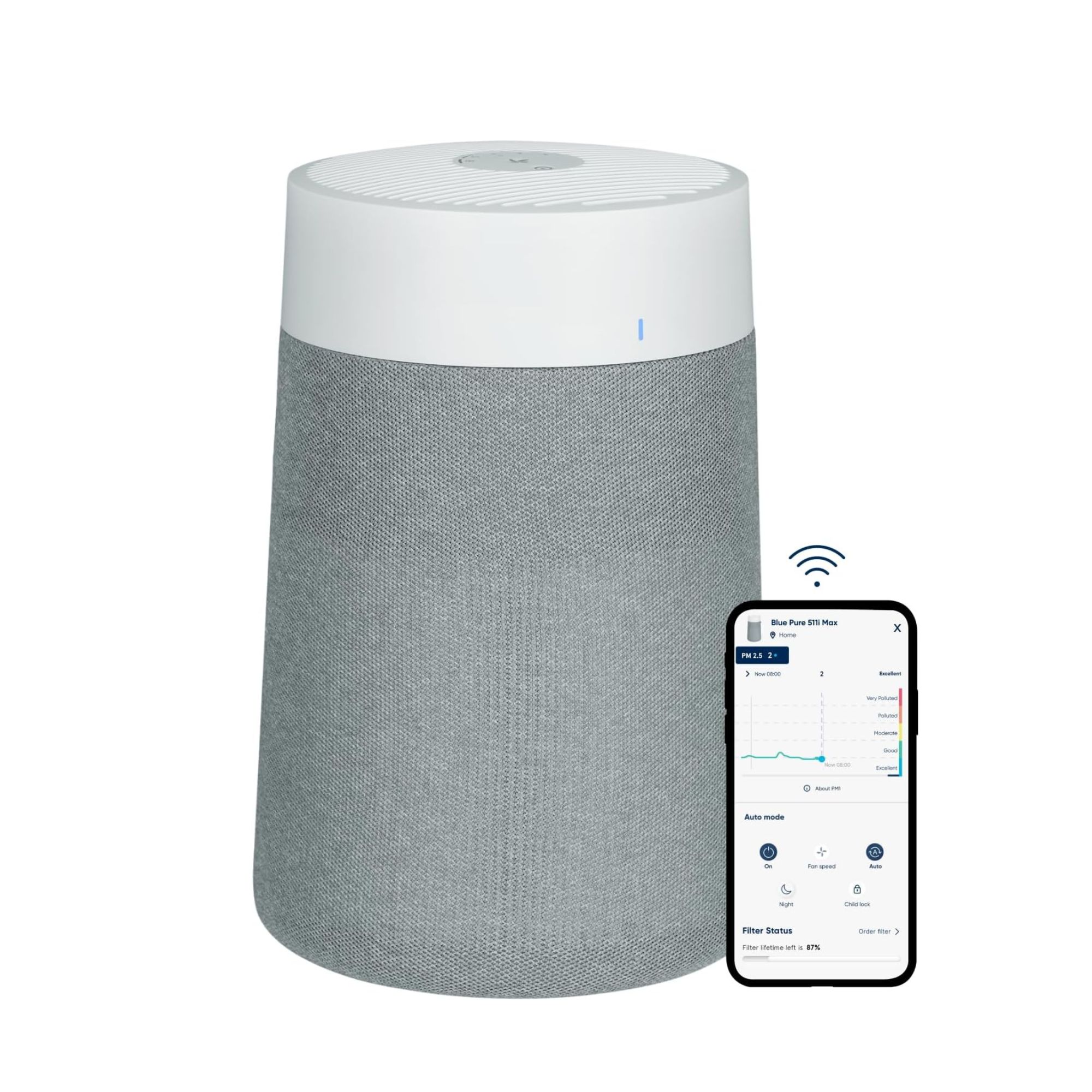
Why Go Local? The Advantages of Buying an Air Purifier Near You
In our digital age, online shopping is convenient, but when it comes to an investment like an air purifier, exploring options “near me” offers unique benefits.
- Immediate Access & Emergency Needs: Sometimes, you need an air purifier now. Perhaps seasonal allergies have suddenly flared up, or an unexpected smoke incident has left your home’s air feeling stale. Shopping locally means you can walk in, pick out a unit, and start breathing easier the very same day. No waiting for shipping, just instant relief.
- Hands-on Experience & Expert Advice: There’s nothing quite like seeing a product in person. You can assess its size, design, and even listen to its noise level – a crucial factor if it’s destined for your bedroom or office. Plus, local store associates can offer personalized advice, helping you match a purifier to your specific needs and room dimensions, something an online description might miss.
- Local Support for Filters & Maintenance: Air purifiers are not a one-time purchase; their effectiveness relies on regular filter replacement. Buying from a local retailer often means you’ll have an accessible source for genuine replacement filters, ensuring your unit continues to perform at its best without a lengthy search. It can also simplify warranty claims or troubleshooting if an issue arises.
Decoding Air Purifier Essentials: What to Look for in a Nearby Store
When you step into a store looking for an air purifier near me, it’s easy to feel overwhelmed by the options. Here’s what CleanAir Home recommends focusing on:
Room Size & CADR: Matching Power to Your Space
One of the most critical factors is ensuring the purifier is powerful enough for your room. You’ll often see two key specifications:
- Recommended Room Size (Square Footage): This tells you the maximum area a purifier can effectively clean. Always check this against the actual dimensions of the room where you plan to use it.
- Clean Air Delivery Rate (CADR): This is a performance metric developed by the Association of Home Appliance Manufacturers (AHAM) that indicates how quickly an air purifier removes pollutants like smoke, pollen, and dust from a room. A general rule of thumb, especially for smoke, is to choose a unit with a CADR value at least two-thirds of the room’s square footage. For example, a 150 sq. ft. room needs a smoke CADR of at least 100.
The Heart of Filtration: Understanding Filter Types
The filters are what do the heavy lifting in an air purifier. Understanding them is key to effective air purification.
- True HEPA (High-Efficiency Particulate Air) Filters: These are the gold standard for trapping particulate matter. A “True HEPA” filter (often rated H13 or H14) captures 99.97% of airborne particles as small as 0.3 microns. This includes common allergens like dust mites, pollen, pet dander, mold spores, and even many bacteria and viruses. Be wary of terms like “HEPA-type” or “HEPA-like,” which may not meet these rigorous standards.
- Activated Carbon Filters: While HEPA excels at particles, activated carbon is your best friend for odors, gases, and Volatile Organic Compounds (VOCs) that off-gas from furniture, cleaning products, and paints. Look for purifiers with a substantial activated carbon filter for effective odor and chemical removal.
- What to Avoid: Some technologies, like ionizers or UV-C lights, can produce ozone as a byproduct. Ozone is a lung irritant, and while some purifiers claim to produce safe levels, it’s generally best to avoid ozone-emitting devices, especially if you have respiratory sensitivities. Always check for certifications like CARB (California Air Resources Board), which ensures the device is safe from harmful ozone emissions.
Noise Levels: Peaceful Purification for Every Room
No one wants a noisy appliance disturbing their peace, especially in a bedroom or quiet living area. Air purifiers are rated in decibels (dB), with lower numbers indicating quieter operation. Many modern purifiers feature a “sleep mode” or lower fan settings that operate almost silently, often around 30 dB (the sound of a whisper). Compare these ratings, and if possible, ask for a demonstration in-store.
Energy Efficiency & Certifications: Smart Choices for Your Home
An air purifier runs for many hours, so energy consumption matters. Look for units that are ENERGY STAR certified, indicating they meet strict energy efficiency guidelines set by the EPA. This can save you money on electricity bills over time. Additionally, look for AHAM Verifide certification, which independently verifies a purifier’s CADR ratings, ensuring you get the performance you pay for.
Long-Term Investment: Filters and Running Costs
The initial purchase price is just one part of the equation. Factor in the cost and frequency of replacement filters. Some filters last 6-12 months, while others might need changing more often. Check the pricing of replacement filters and consider the overall operating cost of the unit.
Beyond the Box: Maximizing Your Air Purifier’s Performance
Once you’ve found your ideal air purifier, a few simple tips can help you get the most out of it.
- Optimal Placement: Position your air purifier in the rooms where you spend the most time, such as your bedroom or living room. Ensure it has open space around it, ideally a few inches from walls and furniture, to allow for optimal airflow.
- Regular Maintenance: Consistency is key. Stick to the manufacturer’s recommendations for filter replacement. Ignoring this can lead to decreased efficiency and even recirculation of pollutants. Many local stores where you buy your purifier can also guide you on where to get replacements.
- Addressing Local Air Quality Concerns: Understanding your local environment can help you prioritize features. If you live in an area with high pollen counts during certain seasons, a powerful HEPA filter is crucial. For urban areas with more traffic pollution, an activated carbon filter for VOCs becomes even more important.
“Choosing an air purifier is more than just picking a gadget; it’s an investment in your well-being,” says Dr. Anya Sharma, a leading environmental health specialist with CleanAir Home. “By understanding your home’s unique needs and focusing on core filtration technologies like True HEPA and activated carbon, you can confidently select a device that delivers tangible health benefits. And don’t forget the power of a local store to provide that personalized touch and immediate solution.”
Frequently Asked Questions
Q: Can I really find a good air purifier near me today?
A: Absolutely! Many major retailers like Walmart, Target, Best Buy, Sam’s Club, and home improvement stores like Lowe’s and Home Depot stock a wide range of air purifiers. Visiting their websites often allows you to check local store availability before you go.
Q: What’s the difference between HEPA and True HEPA filters?
A: “True HEPA” is a certified standard, meaning the filter captures 99.97% of particles 0.3 microns or larger. “HEPA-type” or “HEPA-like” filters are not certified to this standard and may offer less effective filtration, capturing only around 95% of similar-sized particles.
Q: Do I need an air purifier in every room?
A: For optimal air quality throughout your home, having a purifier in each frequently used room (like bedrooms and living areas) is ideal. If budget or space is a concern, prioritize the rooms where you spend the most time or where air quality is most critical, such as a child’s bedroom or an office.
Q: How often do air purifier filters need to be replaced?
A: Filter replacement frequency varies by model and usage, typically every 6 to 12 months for HEPA filters and 3 to 6 months for activated carbon pre-filters. Always refer to your specific model’s manual for recommended intervals.
Q: Are there air purifiers that help with pet allergies specifically?
A: Yes! Look for air purifiers with True HEPA filters, as these are highly effective at capturing pet dander, which is a common allergen. Models with good CADR ratings for large rooms are also beneficial for homes with pets.
Bringing an air purifier into your home is a proactive step towards a healthier, more comfortable living environment. By considering the practical advantages of shopping for an air purifier near me and understanding the key features that matter, you’re empowered to make an informed decision that will allow you and your family to breathe easier. Take the leap, invest in clean air, and experience the difference a quality air purifier can make in your home.