Stepping into a home filled with fresh, crisp air is a delight, isn’t it? It’s a feeling that many of us are increasingly seeking, especially with growing awareness about indoor air quality. If you’re considering an air purifier, one of the first questions that likely springs to mind is, “What’s the real Air Purifier Price?” It’s more than just the number on the tag; it’s an investment in your well-being, your family’s health, and the overall comfort of your living space.
The market for air purifiers has blossomed, offering a vast array of models, features, and price points. From compact units for small rooms to sophisticated whole-home systems, the initial cost can vary dramatically. But understanding what drives these differences, and what you’re truly getting for your money, is key to making a smart decision that truly benefits your home. Let’s peel back the layers and uncover the factors that shape the air purifier price.
Decoding the Air Purifier Price Tag: What You’re Really Paying For
The initial air purifier price isn’t pulled out of thin air. It’s a reflection of several critical components and capabilities that contribute to its effectiveness and overall value. Think of it like buying a car; a basic model gets you from A to B, but added features, engine power, and brand reputation quickly change the cost.
Advanced Filtration Technology: The Heart of the Cost
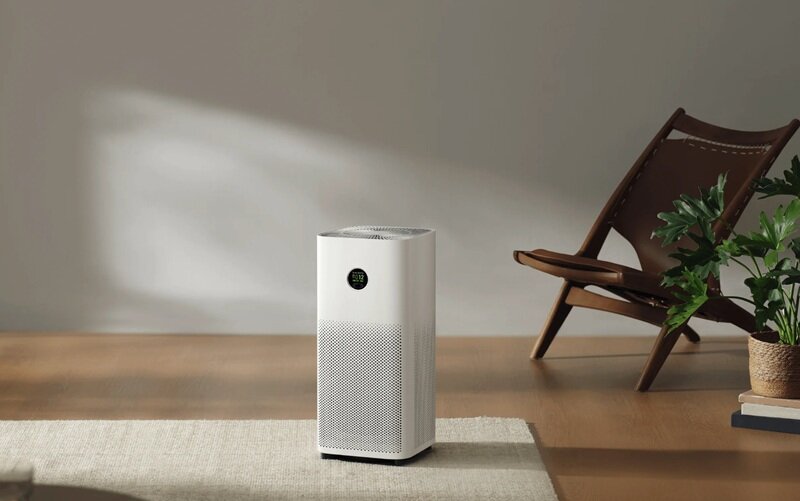
At the core of every effective air purifier is its filtration system. This is where a significant portion of the air purifier price originates. You’ll often hear about True HEPA filters, activated carbon filters, and sometimes even UV-C lights or ionizers.
True HEPA filters are the gold standard, capable of capturing 99.97% of airborne particles as small as 0.3 microns, including dust, pollen, pet dander, mold spores, and some bacteria and viruses. The quality and density of this filter directly impact the unit’s price. Activated carbon filters are essential for trapping odors, smoke, and volatile organic compounds (VOCs). When you see models with multi-stage filtration – a pre-filter, followed by True HEPA, and then activated carbon – know that each layer adds to the manufacturing complexity and, consequently, the cost.
“The quality of filtration is paramount,” notes Dr. Eleanor Vance, an Environmental Health Specialist at CleanAir Home. “A medical-grade HEPA H14 filter, for example, which boasts 99.999% filtration efficiency, represents a significant leap in technology and material cost compared to a standard HEPA filter, and this is reflected directly in the air purifier price.”
Size Matters: Covering Your Space with Clean Air
Another major determinant of the air purifier price is its Clean Air Delivery Rate (CADR) and the size of the area it’s designed to purify. A higher CADR means the unit can filter air in a larger room more quickly and efficiently.
If you’re looking to clean the air in a small bedroom, a compact, lower-CADR unit will be sufficient and more affordable. However, if you need to purify the air in a large open-plan living area or even an entire home, you’ll need a more powerful unit with a higher CADR, which naturally comes with a steeper air purifier price. Whole-house air purifiers, integrated directly into your HVAC system, offer comprehensive coverage but also involve professional installation costs, pushing their total investment much higher than a portable unit.
Smart Features and Modern Conveniences
In our increasingly connected homes, air purifiers have evolved beyond simple on/off switches. Many modern units come equipped with a suite of smart features that enhance convenience and performance, influencing the overall air purifier price. These can include:
- Wi-Fi Connectivity and App Control: Allowing you to monitor air quality, adjust settings, and schedule operation from your smartphone.
- Air Quality Sensors: Real-time monitoring of airborne pollutants, with some units automatically adjusting fan speed based on detected air quality.
- Auto Mode: Taking the guesswork out of operation by automatically optimizing performance.
- Filter Life Indicators: Notifying you precisely when it’s time for a replacement.
- Voice Assistant Integration: Control your air purifier with simple voice commands.
While these features add to the convenience, they also add to the complexity and cost of the device.
Beyond the Unit: Understanding Running Costs
The initial air purifier price is just one part of the financial equation. It’s crucial to consider the ongoing running costs, primarily filter replacements and energy consumption.
Filters, especially True HEPA and activated carbon, need to be replaced periodically – typically every 6 to 12 months, though some can last longer. The cost of replacement filters varies widely depending on the brand and type of filter. High-end units might have more expensive individual filters, but sometimes their lifespan can be extended. Energy consumption is another factor. While most air purifiers are designed to be energy-efficient, especially those with an Energy Star rating, a powerful unit running continuously will use more electricity than a smaller one.
“When evaluating the air purifier price, always factor in the long-term operational costs,” advises Dr. Vance. “A seemingly cheaper unit upfront might end up costing more over time if its filters are expensive or need frequent replacement. Think about the total cost of ownership, not just the purchase price.”
Brand, Build, and Beyond: The Premium Difference
Just like any consumer product, brand reputation and build quality play a role in the air purifier price. Established brands often command a higher price due to their proven track record, extensive research and development, reliable customer service, and robust warranties.
Premium units tend to use higher-quality materials, such as durable metals or premium plastics, which not only contribute to a sleeker aesthetic but also enhance the unit’s longevity and quiet operation. The design itself, from minimalist Scandinavian styles to more futuristic forms, can also influence the perceived value and, consequently, the price.
Navigating the Air Purifier Market: Price Ranges Explained
To help you budget effectively, let’s break down what you can generally expect at different air purifier price points.
Entry-Level Options: Clean Air on a Budget
For those just starting their clean air journey or needing purification for smaller, less polluted spaces, entry-level air purifiers typically fall under $200-$300. These units are often compact and feature basic mechanical filtration (like True HEPA and a pre-filter). They are excellent for individual rooms like a bedroom, office, or nursery, offering a noticeable improvement in air quality without breaking the bank. While they may lack advanced smart features or high CADR ratings, many reliable models provide solid performance for their intended use.
Mid-Range Marvels: Balancing Performance and Value
Stepping up a notch, mid-range air purifiers usually range from $200 to $500. This segment offers a sweet spot between performance and affordability. You’ll find units with:
- Greater Room Coverage: Suitable for medium to large living areas.
- Enhanced Filtration: Often including activated carbon for odor removal and sometimes an additional filtration stage.
- Convenience Features: You might start seeing basic smart features like air quality sensors and auto mode.
- Improved Build Quality: Often quieter operation and more durable construction than entry-level models.
These purifiers strike a great balance for most households looking for comprehensive purification for common living spaces.
High-Performance Powerhouses: Investing in Top-Tier Purity
When your air quality needs are demanding, or you’re aiming for the ultimate in purification, high-performance air purifiers come into play. Portable units in this category typically start over $500 and can go well into the thousands, while whole-house systems can range from $1,000 to over $12,000 including installation. These powerhouses offer:
- Exceptional CADR: Capable of purifying very large spaces or entire homes.
- Advanced Multi-Stage Filtration: Including medical-grade HEPA, robust activated carbon, and often additional technologies like UV-C sterilization.
- Comprehensive Smart Features: Full app control, detailed air quality reporting, and seamless smart home integration.
- Superior Build and Design: Often with premium materials, extremely quiet operation, and designs that blend seamlessly into sophisticated interiors.
This is where you invest in cutting-edge technology and unparalleled air cleaning capacity.
Is a Higher Air Purifier Price Always Better? Separating Fact from Fiction
It’s a common misconception that the most expensive air purifier is automatically the best. While a higher air purifier price often correlates with advanced features, larger capacity, and superior filtration, it’s not a universal rule. Some affordable units can be incredibly effective for their designated room size if they feature a true HEPA filter and an appropriate CADR.
The key is to match the purifier’s specifications to your specific needs. Don’t be swayed by marketing jargon like “HEPA-type” or “HEPA-like” filters; always look for “True HEPA” or “Medical-Grade HEPA” to ensure genuine filtration efficiency. An expensive unit designed for a large open-plan space might be overkill for a small bedroom, and you’d be paying for features and capacity you don’t fully utilize.
Your Personalized Air Purifier Price Guide: Choosing What’s Right For You
Making an informed decision about the air purifier price means looking inward first. What are your unique circumstances?
- Assess Your Needs: How large is the room you want to purify? Are you dealing with specific pollutants like pet dander, severe allergies, smoke, or strong odors? The answers will guide you towards the necessary CADR and filter types.
- Consider Long-Term Costs: Don’t just look at the upfront air purifier price. Calculate the estimated annual cost of replacement filters and factor in potential energy consumption. Sometimes, a slightly higher initial investment in a unit with longer-lasting or more affordable filters can save you money in the long run.
- Prioritize Features: Do you truly need Wi-Fi connectivity and smart sensors, or would a simpler model suffice? Make a list of your must-have features versus nice-to-haves.
- Read Reviews, Compare Specs: Once you have a clear idea of your needs and budget, dive into product reviews and compare specifications like CADR, filter types, noise levels, and energy ratings across different models. This due diligence will help you find the best value for your investment.
Remember, the goal is to find a unit that effectively meets your air purification needs without overspending on unnecessary features or capacity.
Breathe Easier: The Value Behind the Air Purifier Price
Understanding the air purifier price means appreciating the technology, capability, and long-term benefits packed into these essential home appliances. From the sophisticated filtration systems that capture microscopic pollutants to the smart features that simplify operation, every aspect contributes to the overall cost and, more importantly, to the quality of the air you breathe.
Investing in an air purifier is an investment in your health and comfort. It’s about more than just a purchase; it’s about transforming your indoor environment into a sanctuary of clean, fresh air. So, take the time to evaluate your needs, explore the options, and choose an air purifier that aligns with your lifestyle and budget. You’ll be breathing easier, knowing you’ve made a smart choice for a healthier home.