Living with allergies can feel like an endless battle, especially when your own home, a supposed sanctuary, becomes a trigger zone. From the invisible dust mites lurking in your carpets to the seasonal pollen sneaking in through open windows, indoor air is often a hidden culprit for sniffles, sneezes, and itchy eyes. But what if you could turn the tide and transform your living space into a haven of fresh, clean air? Enter the Best Air Purifier For Allergies – a vital ally in your quest for relief and better indoor air quality.
Understanding Allergies and Indoor Air Quality
Our homes, while cozy, can unfortunately trap a surprising array of allergens and pollutants. Things like pet dander, mold spores, pollen, dust mites, and even Volatile Organic Compounds (VOCs) from cleaning products and furniture can accumulate, often making indoor air significantly more polluted than the air outside. For allergy sufferers, this means constant exposure to irritants that trigger uncomfortable symptoms. An air purifier helps by actively removing these airborne particles, acting as a lung for your home and making a noticeable difference in how you feel day-to-day.
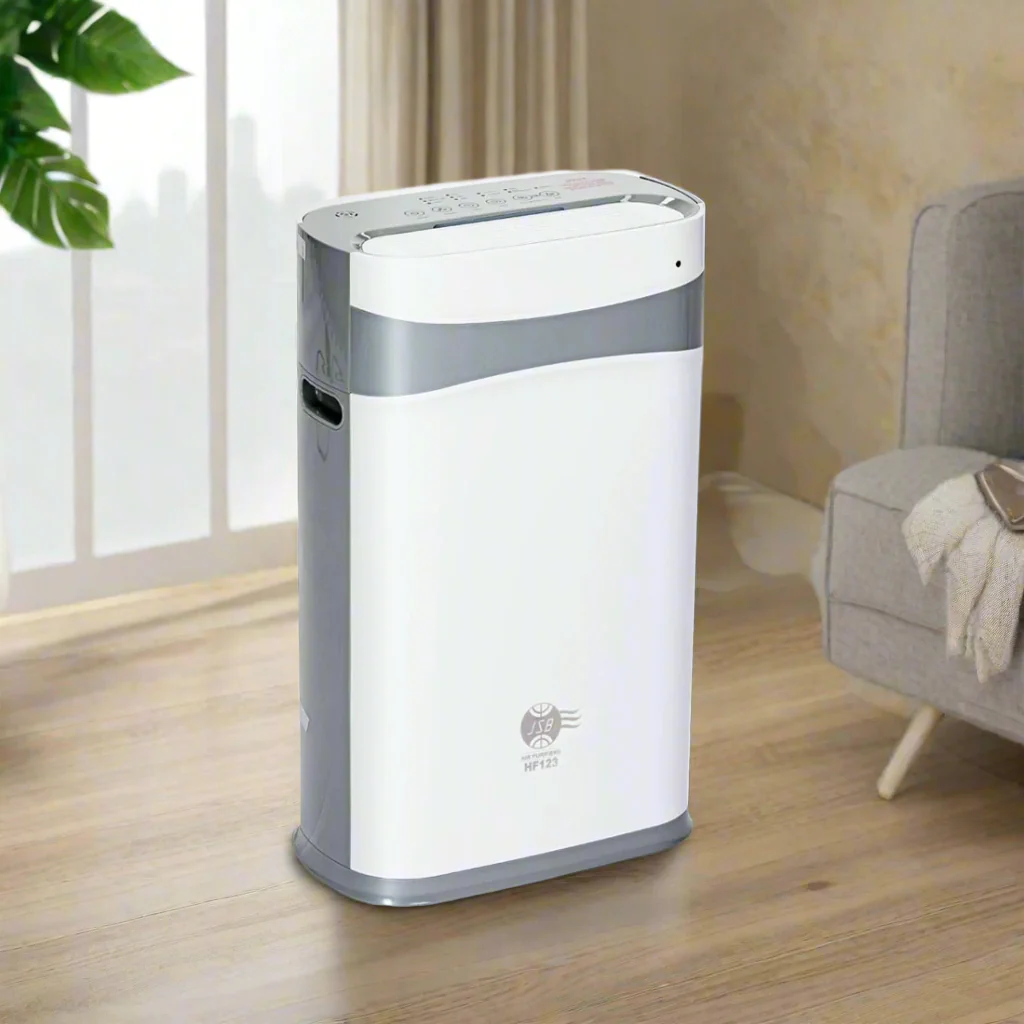
The Core Technology: Why True HEPA is Your Best Friend
When you’re seeking the best air purifier for allergies, your primary focus should be on its filtration system, and specifically, the True HEPA filter. This isn’t just a fancy label; it’s a critical standard. A True HEPA filter is certified to capture an astounding 99.97% of airborne particles as tiny as 0.3 microns. To put that in perspective, this includes the vast majority of common allergens like pet dander, dust mite debris, pollen, and mold spores, as well as many bacteria and viruses.
Beware of marketing terms like “HEPA-like,” “HEPA-type,” or “99% effective” – these filters often don’t meet the stringent standards of a True HEPA filter and won’t offer the same level of allergy relief. For comprehensive protection, many top-tier air purifiers pair their True HEPA filters with activated carbon filters. These aren’t designed for particulate matter but are champions at trapping gases, odors (think cooking smells, pet odors, smoke), and harmful VOCs that True HEPA filters might miss. This dual-action approach provides a much more thorough air cleaning experience, which is particularly beneficial for those with chemical sensitivities or multiple allergy triggers.
Key Features to Look for in an Allergy-Fighting Air Purifier
Choosing the best air purifier for allergies involves more than just picking one off the shelf. Consider these essential features to ensure you get a machine that truly meets your needs.
Clean Air Delivery Rate (CADR) and Room Size
The Clean Air Delivery Rate (CADR) is a crucial metric, telling you how quickly an air purifier cleans a room of specific particles like smoke, pollen, and dust. A higher CADR means faster purification. It’s vital to match the purifier’s CADR to the size of your room. An air purifier that’s too small for a large space won’t be effective, leaving you still battling allergens. Most manufacturers provide a recommended room size in square feet or meters, so always check this against the area where you plan to use it.
Noise Level: Silence is Golden, Especially for Sleep
Nobody wants a noisy appliance humming away constantly, especially in a bedroom or living area. The best air purifier for allergies should operate quietly, allowing you to sleep, work, or relax undisturbed. Look for models that specify low decibel levels, particularly on their lower fan settings. Many modern air purifiers feature a “sleep mode” which significantly reduces noise output while still maintaining a beneficial level of filtration.
Smart Features and Convenience
Today’s air purifiers often come packed with smart features that enhance their effectiveness and ease of use. Wi-Fi connectivity allows you to control the unit from your smartphone, even when you’re not home. Built-in air quality sensors can detect pollutants and automatically adjust fan speed, ensuring your air is always optimally clean without you lifting a finger. Voice control compatibility with assistants like Alexa or Google Assistant, along with scheduling options, can integrate seamlessly into your smart home ecosystem, making allergy management a breeze.
Maintenance: Filter Life and Cost
An air purifier is only as good as its filters, and these need regular replacement. Consider the cost and availability of replacement filters, as this is an ongoing expense. Some high-end models boast filters that last for several years, while others might require changes every 6-12 months. This is an important long-term consideration when evaluating the overall value of an air purifier.
Beyond the Basics: Advanced Technologies and Specific Needs
While True HEPA and activated carbon are the gold standards, some air purifiers incorporate additional technologies.
Some models utilize ionic technology, which releases charged ions to clump particles together, making them easier to capture or settle out of the air. While effective, it’s crucial to select only CARB-certified and EPA-compliant ionic purifiers to avoid those that produce ozone, a known lung irritant that can worsen allergy and asthma symptoms. “Maintaining clean indoor air isn’t just a comfort; it’s a fundamental pillar of allergy management. A high-quality air purifier acts as your personal shield against unseen irritants, transforming your home into a true sanctuary,” advises Dr. Anya Sharma, a leading environmental health specialist.
For homes with new furniture, paint, or recent renovations, consider an air purifier capable of removing formaldehyde. This common VOC can be a significant allergen and irritant, and not all purifiers are equipped to handle it effectively.
If pet dander is your primary concern, look for units specifically highlighted for their pet-friendly features, often including enhanced activated carbon filters for odors and robust True HEPA filtration for fine dander particles. For large open-plan spaces, you’ll need a powerful air purifier designed for extensive coverage, sometimes even multiple units to ensure comprehensive purification.
Maximizing Your Air Purifier’s Effectiveness Against Allergies
Having the best air purifier for allergies is only half the battle; knowing how to use it effectively is key to experiencing maximum relief.
Strategic Placement: Place your air purifier in the room where you spend the most time, typically the bedroom. Position it in an area with good airflow, away from walls or obstructions that might hinder its intake and output. If you have multiple units, consider placing them in other high-traffic areas or rooms where allergens are particularly problematic.
Consistent Operation: For continuous allergy relief, run your air purifier 24/7, especially during peak allergy seasons or if you have indoor pets. The “auto mode” found on many smart purifiers is ideal, as it intelligently adjusts fan speed based on detected air quality, optimizing both performance and energy consumption.
Combine with Good Habits: An air purifier is a powerful tool, but it works best in conjunction with good household hygiene. Regular vacuuming (ideally with a HEPA-filtered vacuum), dusting with a damp cloth, and washing bedding frequently are crucial for managing settled allergens like dust mites. Remember, an air purifier cleans the air, but it can’t clean surfaces. By reducing the sources of allergens through routine cleaning, you make your air purifier’s job easier and more effective, ensuring that fewer particles become airborne in the first place.
Frequently Asked Questions about Air Purifiers for Allergies
Do air purifiers really help with allergies?
Yes, air purifiers, especially those with True HEPA filters, can significantly reduce airborne allergens like pollen, pet dander, and dust mite debris, providing substantial relief for allergy sufferers.
What CADR do I need for my room size?
Aim for an air purifier with a CADR rating that is at least two-thirds the square footage of your room to ensure effective air changes per hour. For instance, a 300 sq ft room would benefit from a CADR of at least 200.
How often should I change filters in my allergy air purifier?
Filter replacement frequency varies by model and usage, but True HEPA filters typically need changing every 6-12 months, while activated carbon filters might need replacing more often (every 3-6 months) depending on air quality and odor issues.
Are ionic air purifiers safe for allergies?
Some ionic air purifiers can produce ozone, a lung irritant. Always choose models that are CARB-certified and EPA-compliant to ensure they do not produce harmful levels of ozone, making them safe for allergy sufferers.
Can an air purifier remove pet hair?
No, air purifiers are designed to capture microscopic airborne particles like pet dander, not large items like pet hair. For pet hair, regular vacuuming and sweeping are necessary.
What’s the best place to put an air purifier?
Place your air purifier in the room where you spend the most time, such as your bedroom, and ensure it has clear space around its intake and output vents for optimal airflow.
Conclusion
Finding the best air purifier for allergies is a transformative step towards reclaiming comfort and health in your home. By understanding the critical role of True HEPA filtration, evaluating CADR for your room size, and considering features like quiet operation and smart capabilities, you can confidently choose a device that effectively combats indoor allergens. Combined with consistent use and good cleaning habits, an air purifier becomes an indispensable tool, allowing you and your family to breathe easier, sleep better, and truly enjoy your home as a sanctuary of clean, fresh air. Invest in your indoor air quality today and experience the profound difference it makes in your allergy management journey.