Waking up to that distinct, earthy, musty smell in your home is never a good sign, is it? It’s the unmistakable calling card of mold, a silent intruder that can quietly compromise your indoor air quality and even your well-being. If you’re grappling with this unwelcome guest, you’re likely searching for effective solutions to restore freshness and health to your living spaces. That’s where the Best Air Purifier For Mold steps in, becoming a vital ally in your fight for cleaner air.
Here at CleanAir Home, we understand the invisible battles you face. We’re passionate about helping you breathe better, and today, we’re diving deep into how air purifiers can make a significant difference in tackling airborne mold spores and those pervasive, unpleasant odors. We’ll walk you through the science, the essential features, and what to look for, ensuring you make an informed choice for your home.
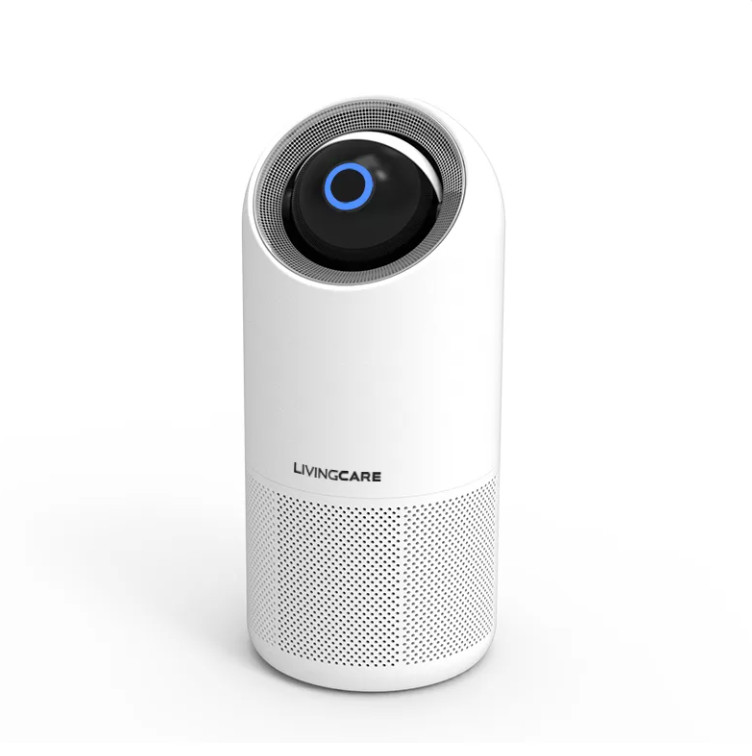
Understanding Mold: The Unseen Threat in Your Home
Before we talk solutions, let’s get acquainted with the problem. Mold isn’t just an unsightly spot on your bathroom wall; it’s a type of fungus that thrives in damp, humid environments. It reproduces by releasing microscopic spores—tiny, lightweight “seeds”—into the air. These spores are so small they can easily float through your home, hitching rides on air currents, dust, and even your clothing.
When these mold spores land on a surface with enough moisture and a food source (like drywall, wood, or even dust bunnies), they begin to grow into new mold colonies. This is why mold often appears in places like bathrooms, basements, kitchens, or any area with poor ventilation or a history of water leaks.
The presence of mold spores in your indoor air is not something to be taken lightly. For many people, inhaling these particles can trigger a range of health issues, from allergic reactions like sneezing, coughing, and itchy eyes to more severe respiratory problems, especially for those with asthma or sensitivities. That persistent, musty smell? It’s caused by volatile organic compounds (VOCs) released by the mold itself, signaling its active presence.
How Air Purifiers Tackle Mold: Your Indoor Air Guardians
So, how exactly does an air purifier come to your rescue when mold is the enemy? Think of it as your home’s personal air cleaner, constantly working to snatch those invisible mold spores out of circulation. While an air purifier can’t eliminate mold that has already grown on surfaces (you’ll need to physically clean that!), it’s incredibly effective at removing airborne spores and neutralizing their characteristic odor.
Let’s break down the filtration heroes that make a truly effective air purifier for mold.
The Filtration Heroes: True HEPA Filters
When it comes to capturing mold spores, a True HEPA (High-Efficiency Particulate Air) filter is your non-negotiable champion. This isn’t just a fancy acronym; it’s a certification. A True HEPA filter is designed to capture 99.97% of airborne particles as small as 0.3 microns.
Why is this important for mold? Mold spores typically range from 1 to 40 microns in size. This means that a True HEPA filter is more than capable of trapping the vast majority of these airborne invaders before they can settle on surfaces and start new colonies or enter your respiratory system. By continuously pulling air through this dense, fibrous filter, your air purifier acts like a net, catching these microscopic particles and significantly reducing their concentration in your indoor environment.
Battling the Odor: Activated Carbon Filters
While HEPA filters are fantastic at trapping the physical mold spores, they don’t do much for the musty, unpleasant odors that mold often produces. That’s where activated carbon filters step in. These specialized filters contain a porous material, often treated with oxygen, that creates millions of tiny pores. These pores are like magnets for gas molecules, absorbing VOCs and other odor-causing compounds released by mold.
An activated carbon filter is essential for neutralizing that tell-tale mold smell, making your home feel much fresher and more comfortable. Without it, you might remove the spores but still be left with the lingering odor, making it feel like the problem hasn’t fully gone away.
Advanced Technologies for Extra Defense
Beyond the core HEPA and activated carbon duo, some of the best air purifiers for mold incorporate additional technologies to boost their effectiveness:
- UV-C Light: Many purifiers now include a UV-C light. This technology uses ultraviolet light to target and reduce airborne bacteria, viruses, and mold spores that pass through the unit. It adds an extra layer of defense, especially for those concerned about active microorganisms.
- PlasmaWave Technology: Found in some popular models, PlasmaWave works by breaking down pollutants at a molecular level without producing harmful ozone. It can further help in neutralizing odors and airborne microbes.
- Ionizers: While sometimes controversial, an optional ionizer can release negatively charged ions that attach to airborne particles, making them heavier so they fall out of the air and are easier for the filter to capture. It’s often an optional feature you can turn on or off.
Important Note: It’s crucial to understand that air purifiers are a part of a broader mold remediation strategy. They are highly effective at dealing with airborne spores and odors but cannot kill mold growing on surfaces or address the underlying moisture issue that causes mold growth in the first place. You must tackle the moisture source and clean any visible mold. Think of your air purifier as a powerful teammate, not the sole solution.
Choosing the Best Air Purifier for Mold: Your Buying Guide
Selecting the right air purifier can feel a bit overwhelming with all the options out there. But when your primary concern is mold, focusing on a few key features will narrow down your choices to the most effective units. Here’s what CleanAir Home recommends you consider:
Room Size and CADR (Clean Air Delivery Rate)
This is perhaps the most critical factor. An air purifier’s effectiveness is directly tied to its ability to clean the air in a given space. The Clean Air Delivery Rate (CADR) indicates how quickly the purifier removes pollutants from a room. Look for a CADR rating that matches or exceeds the square footage of the room where you intend to use it. A higher CADR means the unit can circulate and filter the air more times per hour, which is essential for quickly removing mold spores. For instance, a unit with a CADR of 250 cubic feet per minute (CFM) is generally suitable for a room up to 250 square feet. Always check the manufacturer’s recommended room size.
Filtration System: HEPA and Activated Carbon are Non-Negotiable
As we discussed, a True HEPA filter is essential for capturing mold spores. Always confirm that the unit specifies “True HEPA” filtration. Secondly, a robust activated carbon filter is vital for eliminating the musty odors associated with mold. Some purifiers use a combined filter, which is perfectly fine as long as both components are substantial enough to be effective. Also, consider the replacement filter costs and frequency. Filters need to be changed regularly to maintain optimal performance, so factor this into your long-term budget.
Noise Levels: Find Your Quiet Companion
Air purifiers, especially on higher settings, can generate noise. If you plan to use the unit in a bedroom or a quiet living area, look for models with low decibel ratings (dB), particularly on their lowest settings. Many modern purifiers offer a “sleep mode” for ultra-quiet operation, ensuring your quest for clean air doesn’t disturb your peace.
Smart Features and Convenience
Today’s air purifiers come with an array of smart features that can enhance usability:
- Air Quality Sensors: These sensors detect airborne particles and VOCs, providing real-time feedback on your air quality.
- Auto Mode: This feature allows the purifier to automatically adjust its fan speed based on the detected air quality, saving energy and ensuring continuous purification without constant manual adjustments.
- App Control: Control your air purifier from your smartphone, even when you’re away from home.
- Filter Change Indicators: These handy lights tell you exactly when it’s time to replace your filters, taking the guesswork out of maintenance.
Energy Efficiency
Look for ENERGY STAR certified models. These purifiers are designed to operate more efficiently, saving you money on electricity bills without compromising performance.
Beyond the Purifier: A Holistic Approach to Mold Control
While the best air purifier for mold is an indispensable tool, remember that it’s part of a larger strategy. To truly conquer mold, you need to address the root cause: moisture.
- Fix Leaks Promptly: Any leaks from roofs, pipes, or windows must be repaired immediately.
- Control Humidity: Maintain indoor humidity levels below 50% using dehumidifiers, especially in damp areas like basements. Good ventilation is also key.
- Clean Visible Mold: Use appropriate cleaning solutions (like diluted bleach on non-porous surfaces or mold-specific cleaners) to remove any visible mold growth. Always wear protective gear during cleanup.
- Ensure Proper Ventilation: Open windows, use exhaust fans in bathrooms and kitchens, and ensure your HVAC system is functioning correctly.
“An air purifier is a critical piece of the puzzle for managing airborne mold spores and improving indoor air quality,” says Dr. Anya Sharma, a leading environmental health specialist. “However, it’s a proactive measure, not a cure-all. For lasting results, always pair your air purification efforts with rigorous moisture control and diligent cleaning of any existing mold. That integrated approach is the true path to a healthier home.”
Conclusion: Breathe Freely, Live Healthier
Living with mold is not just unpleasant; it can impact your health and comfort. Investing in the best air purifier for mold equipped with True HEPA and activated carbon filtration is a proactive step towards a cleaner, healthier home environment. By diligently capturing airborne spores and neutralizing those tell-tale musty odors, these powerful devices create a sanctuary of fresh air for you and your family.
Remember, while your air purifier will work tirelessly to clean the air, a comprehensive approach involving moisture control and proper cleaning is key to long-term success against mold. Take charge of your indoor air quality today and experience the profound difference that truly clean air can make. Your lungs will thank you.