Ever walked into a room and felt that distinct, heavy sensation in the air? Or perhaps you’ve noticed a persistent sneeze or sniffle that just won’t quit? The truth is, the air inside our homes can often be far more polluted than the air outside, teeming with invisible irritants that impact our health and comfort. Investing in the Best Home Air Purifier isn’t just about cleaner surfaces; it’s about transforming your living space into a sanctuary of fresh, breathable air.
Understanding the Air We Breathe: Why a Home Air Purifier Matters
Our homes, for all their comfort, can trap a surprising array of pollutants. Think about it: pet dander, dust mites, pollen drifting in through open windows, volatile organic compounds (VOCs) off-gassing from furniture and cleaning products, even microscopic viruses and bacteria. These aren’t just nuisances; they’re potential triggers for allergies, asthma, and a host of other respiratory issues. A good air purifier actively works to remove these airborne invaders, creating a noticeably healthier and more pleasant environment for everyone.
The Science Behind Clean: How Air Purifiers Work
At its core, an air purifier is a device designed to pull air in, filter out contaminants
Key Filtration Technologies You Need to Know
The magic of an air purifier lies in its filtration system. Understanding these technologies is crucial to selecting the right unit for your needs.
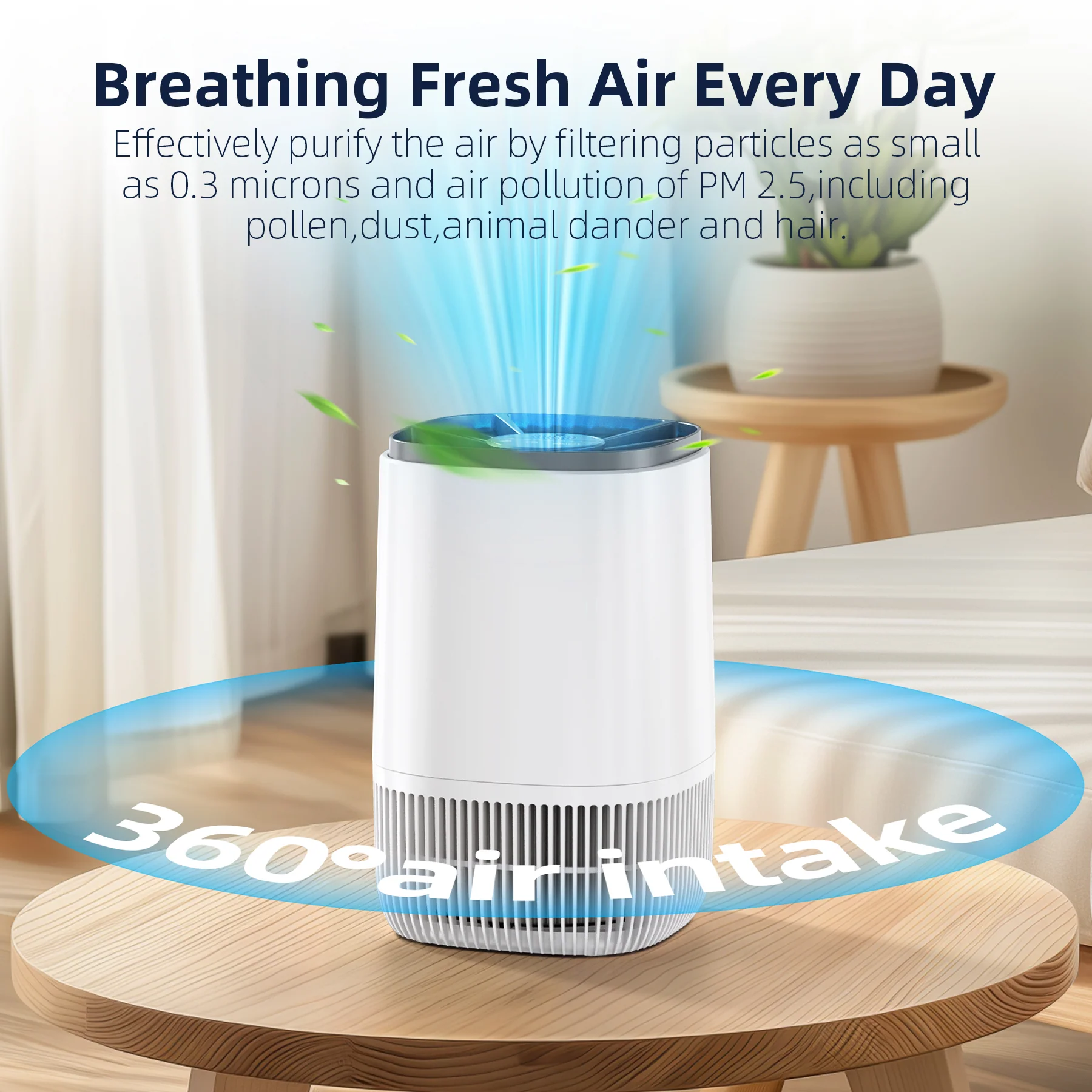
- True HEPA Filters: These are the gold standard for particle removal. A True HEPA filter can capture 99.97% of airborne particles as small as 0.3 microns. This includes common allergens like pollen, pet dander, dust mites, and mold spores, as well as many bacteria and viruses.
- Activated Carbon Filters: While HEPA filters excel at particles, activated carbon filters are the heroes against odors and gases. They contain porous carbon that absorbs smoke, cooking smells, pet odors, and harmful VOCs, leaving your home smelling fresh.
- Pre-filters: Often the first line of defense, pre-filters capture larger particles like hair and lint. This not only cleans the air but also protects the more delicate HEPA and carbon filters, extending their lifespan. Many pre-filters are washable, offering long-term savings.
- Other Technologies: Some purifiers include additional stages such as UV-C light (to kill bacteria and viruses) or ionizers (which can clump particles together for easier filtration). When considering these, it’s wise to ensure they don’t produce ozone, which can be an irritant. Some advanced models, like the NuWave OxyPure, even incorporate “Bio-Guard” filters specifically targeting mold, viruses, and bacteria.
Finding Your Perfect Match: What to Look for in the Best Home Air Purifier
Choosing the best home air purifier isn’t a one-size-fits-all decision. Here’s what to consider to ensure you pick the right one for your unique living situation.
Room Size and CADR (Clean Air Delivery Rate)
This is perhaps the most critical factor. An air purifier needs to be powerful enough for the space it’s intended to clean.
- What is CADR? CADR stands for Clean Air Delivery Rate. It measures how quickly an air purifier can remove specific pollutants (smoke, pollen, dust) from a room. Higher CADR numbers mean faster cleaning.
- Matching Purifier to Room Size: Look for the manufacturer’s recommended room size or use CADR to determine suitability. For example, a unit with a high CADR for smoke (which is the smallest particle measured) will generally perform well in larger rooms. For a bedroom, you’ll need a unit that can handle the room’s square footage, ideally cycling the air at least 4-5 times per hour.
Filter Types and Lifespan
Consider the type of pollutants you’re most concerned about and the cost of ownership.
- If allergies or asthma are your primary concern, a True HEPA filter is non-negotiable.
- For pet owners or those battling cooking odors and chemical smells, an activated carbon filter is essential.
- Some models offer washable pre-filters and long-life main filters, significantly reducing recurring costs and maintenance hassle.
Noise Levels: Quiet Operation for Peaceful Living
An air purifier running loudly can be a major disruption, especially in bedrooms or living areas. Look for models with decibel ratings, particularly at their lowest fan settings, as this is how they’ll often operate. Many top performers balance effective filtration with whisper-quiet operation.
Energy Efficiency: Saving Pennies, Saving the Planet
Air purifiers run continuously, so energy consumption matters. Look for ENERGY STAR certified models, which are designed to use less energy and save you money on electricity bills without sacrificing performance.
Smart Features and Convenience
Modern air purifiers offer a range of features that enhance user experience.
- Air Quality Sensors: Many high-end models come with built-in sensors that detect pollutant levels and automatically adjust fan speed, ensuring optimal performance without constant manual intervention.
- Auto Mode & App Control: These allow for hands-free operation and remote management of your purifier via your smartphone, providing convenience and peace of mind.
- Portability: If you plan to move the purifier between rooms, consider its size and weight.
Top Contenders for the Best Home Air Purifier
While specific models vary, the best home air purifier options generally share some common traits: robust multi-stage filtration, efficient particle removal, and user-friendly designs. Brands like Levoit, Coway, Blueair, Winix, and NuWave OxyPure consistently receive high praise for their performance across various categories, whether it’s for their high CADR rates suitable for large spaces, their quiet operation perfect for bedrooms, or specialized filtration for specific allergens and VOCs.
“Choosing an air purifier is an investment in your well-being,” says Dr. Anya Sharma, a leading environmental health specialist. “It’s not just about what it removes from the air, but the peace of mind it brings knowing you’re providing a cleaner, safer environment for your family.”
Keeping It Fresh: Maintenance Tips for Your Air Purifier
Even the best air purifier needs a little love to perform its best. Regular maintenance ensures its longevity and effectiveness.
- Check and Clean Pre-filters: If your unit has a washable pre-filter, clean it every 2-4 weeks to remove larger dust and pet hair buildup. This prevents strain on subsequent filters.
- Replace Filters on Time: HEPA and activated carbon filters have a finite lifespan, usually 6-12 months, depending on usage and air quality. Ignoring replacement indicators can lead to decreased performance and even recirculation of pollutants. Always use genuine replacement filters for optimal results.
- Follow Manufacturer Guidelines: Each air purifier is unique. Refer to your owner’s manual for specific cleaning schedules and filter replacement instructions.
Beyond Filtration: Health Benefits and a Better Quality of Life
The advantages of an effective air purifier extend far beyond simply removing dust.
- Allergy and Asthma Relief: For those who suffer from seasonal allergies or asthma, an air purifier can significantly reduce symptoms by removing triggers like pollen, dust mites, and pet dander.
- Reduced Illness Spread: By capturing airborne viruses and bacteria, purifiers can help create a healthier environment, potentially reducing the spread of colds and flu, especially in common areas.
- Improved Sleep: Cleaner air can lead to better sleep quality, as your respiratory system isn’t constantly battling irritants throughout the night.
- General Well-being: A consistently clean indoor air environment contributes to overall comfort, energy levels, and a sense of freshness in your home.
Frequently Asked Questions
Q: How do I know what size air purifier I need?
A: You should match the air purifier’s Clean Air Delivery Rate (CADR) to your room’s square footage. A general rule of thumb is to choose a purifier that can “air change” the room 4-5 times per hour.
Q: Are washable filters as effective as replaceable ones?
A: Washable filters typically refer to pre-filters, which capture larger particles and extend the life of main filters. True HEPA and activated carbon filters are usually not washable and need to be replaced periodically for optimal effectiveness.
Q: Can air purifiers help with pet odors?
A: Yes, air purifiers equipped with activated carbon filters are highly effective at absorbing and neutralizing pet odors, as well as other household smells.
Q: Do air purifiers use a lot of electricity?
A: Modern air purifiers, especially ENERGY STAR certified models, are designed to be energy-efficient. While they run continuously, their power consumption is often comparable to a light bulb, especially on lower settings.
Q: What’s the difference between a HEPA filter and a True HEPA filter?
A: A True HEPA filter is certified to capture 99.97% of particles as small as 0.3 microns. Some manufacturers use “HEPA-type” or “HEPA-like” filters, which may not meet this stringent standard and can be less effective. Always look for “True HEPA.”
Q: How often should I replace air purifier filters?
A: Filter replacement frequency varies by model and usage, but typically True HEPA filters last 6-12 months and activated carbon filters last 3-6 months. Your unit’s indicator light or manual will provide specific guidance.
Conclusion
Finding the best home air purifier is a pivotal step towards a healthier, happier living space. It’s more than just a gadget; it’s a silent guardian, working tirelessly to remove the invisible threats lurking in your indoor air. By understanding the core technologies, considering your specific needs, and following simple maintenance tips, you can confidently choose a purifier that transforms your home into a haven of clean, fresh air. Invest in your health, embrace the benefits of superior air quality, and breathe easier every single day.