Ever wonder what’s truly floating in the air you breathe right in your own home? With everything from pollen and pet dander to unseen pollutants, indoor air quality has become a major concern for many. That’s why finding the Best Rated Air Purifier isn’t just a luxury; it’s a vital step towards a healthier living environment. This guide will walk you through everything you need to know to make an informed choice, transforming your living space into a sanctuary of clean air.
Why a Best Rated Air Purifier is Essential for Modern Living
Think about it: we spend a significant portion of our lives indoors, often unaware of the microscopic invaders sharing our space. From tiny dust particles and pet dander to volatile organic compounds (VOCs) emitted by household products, the air inside can sometimes be more polluted than the air outside. Over time, exposure to these airborne irritants can exacerbate allergies, trigger asthma, and even impact overall respiratory health and well-being. An air purifier works diligently in the background, drawing in ambient air, filtering out these harmful particles, and releasing cleaner, fresher air back into your home. It’s like having an invisible guardian for your lungs, working 24/7.
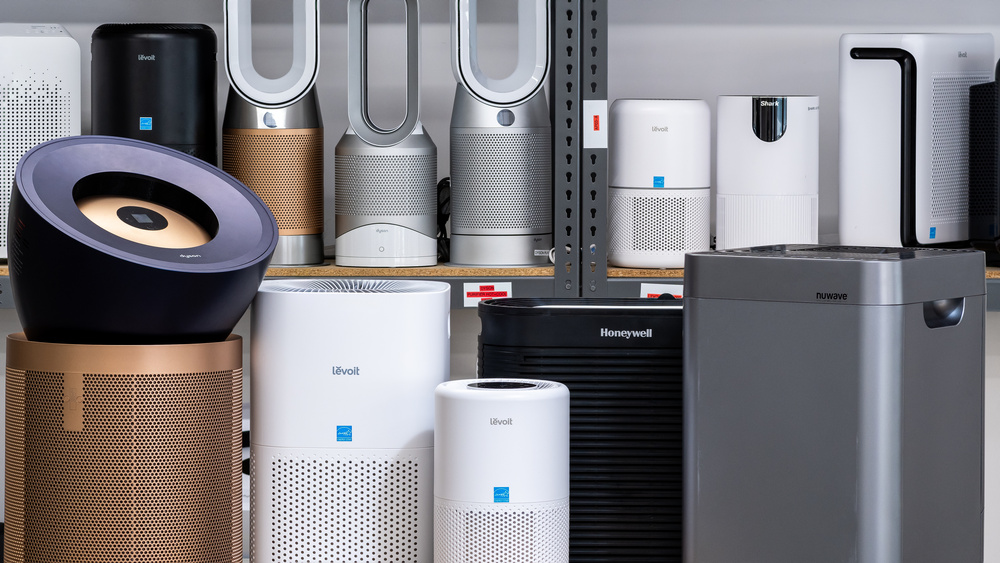
Decoding Air Purifier Technology: What’s Inside Matters
When diving into the world of air purifiers, you’ll quickly discover that not all devices are created equal. The effectiveness largely hinges on the technology packed inside.
The Power of HEPA and Activated Carbon Filters
At the heart of many top-performing air purifiers lies a multi-stage filtration system, with two stars leading the show:
- True HEPA Filters: This is often considered the gold standard. A True HEPA (High-Efficiency Particulate Air) filter is designed to capture 99.97% of airborne particles as small as 0.3 microns. To give you some perspective, this includes common culprits like dust mites, pollen, pet dander, mold spores, and even some bacteria and viruses. These filters physically trap particles, ensuring they’re removed from circulation permanently.
- Activated Carbon Filters: While HEPA excels at particulates, it’s not designed for gases or odors. That’s where activated carbon comes in. These filters are packed with a porous material that absorbs odors from cooking, smoke, pets, and common household chemicals known as VOCs. Think of it as a sponge for smells and gaseous pollutants, leaving your air not just clean but truly fresh.
Most highly-rated air purifiers combine these two powerful filters, often with a pre-filter to catch larger particles like hair and lint, thus extending the life of the more delicate HEPA filter.
Beyond Filtration: Active Purification Methods
Beyond traditional filtration, some air purifiers incorporate active technologies that release beneficial elements or alter pollutants in the air:
- Ionizers: These devices generate negatively charged ions that are released into the air. These ions attach to airborne particles, making them heavier so they fall out of the air or stick to nearby surfaces (or a charged collector plate within the unit). While effective, it’s wise to choose models that produce minimal or no ozone, a lung irritant.
- UV-C Light: Ultraviolet-C (UV-C) light is another technology used in some purifiers, primarily for its germicidal properties. It targets and neutralizes airborne bacteria, viruses, and mold spores as air passes through the unit. It’s a great addition if you’re particularly concerned about microbiological contaminants.
Understanding these technologies helps you choose a system tailored to your specific air quality concerns, whether it’s allergies, pet odors, or general household pollutants.
Finding Your Perfect Match: Key Factors for the Best Rated Air Purifier
Choosing the best rated air purifier can feel a bit like Goldilocks searching for the “just right” porridge. Here’s what to consider to ensure you pick a model that’s perfect for your space and lifestyle.
Room Size and Coverage: Understanding CADR and ACH
One of the first things to consider is the size of the room you intend to purify. Air purifiers are typically rated for specific square footage. However, a crucial distinction often overlooked is the Clean Air Delivery Rate (CADR) and Air Changes Per Hour (ACH).
- CADR indicates how quickly an air purifier removes pollutants like smoke, dust, and pollen from a room. A higher CADR means faster cleaning. A good rule of thumb is to choose a purifier with a CADR number that is at least two-thirds the size of your room’s square footage. So, for a 120 sq ft room, aim for a CADR of at least 80.
- ACH tells you how many times per hour the entire volume of air in a room is purified. For general purification, 2-3 ACH is often sufficient. However, for those with allergies, asthma, or specific health concerns, an ACH of at least 4 times per hour is highly recommended to ensure continuous removal of irritants.
Don’t forget to consider your ceiling height! Most square footage ratings assume an 8-foot ceiling. If you have higher ceilings, you’ll actually need to calculate the cubic footage and choose a more powerful unit to ensure adequate purification.
Noise Levels: Breathe Easy, Sleep Soundly
Nobody wants a roaring appliance disrupting their peace. Noise level, measured in decibels (dBA), is a critical factor, especially if the purifier will be in a bedroom or living area. Many top-rated models offer multiple fan speeds, with quieter settings for nighttime use. Look for purifiers that operate quietly on their lowest settings, ideally below 30-40 dBA, which is comparable to a whisper or quiet library.
Operational Costs: Energy and Filter Replacements
The initial purchase price is just one part of the equation. You’ll also want to consider ongoing operational costs:
- Energy Efficiency: Since air purifiers are most effective when run continuously, look for models with an ENERGY STAR rating. This certification means the device meets strict energy efficiency guidelines, saving you money on your electricity bill.
- Filter Life and Cost: Filters need regular replacement to maintain efficiency. Check how long filters typically last (usually 6-12 months for HEPA/carbon) and their replacement cost. Some advanced models feature washable pre-filters or even long-lasting, reusable filters, which can significantly reduce long-term expenses.
Smart Features and User Experience
Modern air purifiers often come loaded with features designed to enhance convenience and performance:
- Air Quality Sensors and Auto Mode: Many devices include sensors that detect airborne pollutants and automatically adjust fan speed to match the current air quality. This ensures efficient operation without constant manual adjustment.
- App Control: Smartphone apps allow you to monitor air quality, change settings, set schedules, and even order replacement filters remotely.
- Filter Change Indicators: No more guessing games! These indicators alert you precisely when it’s time to replace or clean your filters, ensuring your purifier always performs at its best.
Top Contenders for the Best Rated Air Purifier in 2025 (Expert Picks)
“As a specialist in environmental health, I’ve seen firsthand the profound difference a high-quality air purifier makes. It’s not just about removing dust; it’s about investing in a healthier respiratory future for your entire family.” – Dr. Eleanor Vance, Environmental Health Consultant.
Based on current reviews and performance metrics, several brands consistently receive high marks for their innovation, effectiveness, and user satisfaction. While specific models may vary, here’s a glimpse into categories where the best rated air purifier often emerges:
- Best Overall Performers: Models like the Levoit Core 600S or advanced Dyson Purifiers are frequently lauded for their robust filtration, wide coverage, and smart features, making them excellent all-rounders for any home.
- Ideal for Large Rooms: For expansive open-plan spaces or living rooms, options like the Levoit Core 600S or Molekule Air Pro stand out, capable of cleaning significant cubic footage efficiently.
- Allergy and Pet Sufferers’ Choice: If pet dander, pollen, and other allergens are your primary concern, devices such as the Coway Airmega series or the Levoit Vital 200S are designed with enhanced filtration for these specific irritants, often featuring washable pre-filters for convenience.
- Budget-Friendly Champions: You don’t always need to break the bank for clean air. The Levoit Core 200S or the BlueAir Blue Pure 411i Max offer impressive performance and essential features at a more accessible price point, perfect for smaller rooms or bedrooms.
Pro Tips for Maximizing Your Air Purifier’s Performance
Getting the best rated air purifier is just the first step. To truly reap its benefits, consider these tips:
- Optimal Placement: Position your air purifier in the room where you spend the most time, or where pollution sources are highest (e.g., near pet areas, in the bedroom). Place it a few inches from walls and furniture to allow for unobstructed airflow.
- Regular Maintenance is Key: Your filters are the workhorses. Clean pre-filters regularly (some are washable), and replace HEPA and activated carbon filters according to the manufacturer’s recommendations or when the indicator light signals it. Neglecting this will severely reduce efficiency.
- Run It Continuously: Air pollution is an ongoing issue. For consistent clean air, it’s best to let your air purifier run on an appropriate setting continuously, especially if it has an auto mode.
- Avoid Common Misconceptions: An air purifier is not a substitute for ventilation. Occasionally opening windows is still important. Also, be wary of purifiers that claim to “destroy” all pollutants without proper filtration, as some may produce ozone.
FAQ: Your Air Purifier Questions Answered
Q1: How often should I run my air purifier?
A: For optimal indoor air quality, it’s generally best to run your air purifier continuously, especially if you have allergies, pets, or live in an area with high pollution. Many models have an “auto” mode that adjusts fan speed based on detected air quality.
Q2: Do air purifiers help with viruses and bacteria?
A: Yes, True HEPA filters are highly effective at capturing airborne particles, including many viruses and bacteria that are often attached to larger particles like dust. Some purifiers also incorporate UV-C light, which can neutralize these microorganisms.
Q3: What’s the difference between active and passive air purification?
A: Passive purifiers work by drawing air through physical filters (like HEPA and activated carbon) to trap pollutants. Active purifiers release charged ions or other agents into the air to neutralize or cause pollutants to fall out of the air. Most effective systems use a combination of both.
Q4: Can an air purifier really help with pet odors?
A: Absolutely! Air purifiers equipped with activated carbon filters are particularly effective at absorbing and neutralizing pet odors, along with dander captured by HEPA filters, leaving your home smelling fresher.
Q5: How do I know when to replace my air filter?
A: Most modern air purifiers feature a filter change indicator light or a timer that will alert you when it’s time for a replacement. If your unit doesn’t have this, follow the manufacturer’s recommended schedule, typically every 6-12 months for HEPA/carbon filters.
Investing in the best rated air purifier for your home is an investment in your health and comfort. By understanding the core technologies, evaluating key factors like room size and noise, and staying informed about top models, you can confidently choose a device that brings the fresh, clean air you deserve into your living spaces. Breathe easier, live healthier, and enjoy the true comfort of a purified home environment.