In our increasingly busy lives, we often overlook one crucial aspect of our well-being: the air we breathe right in our own homes. While we can’t control outdoor pollution, we have a powerful tool for indoor air quality: the air purifier. And for those living in compact spaces, or simply seeking targeted purification, the Best Small Air Purifier can be a game-changer. These devices are designed to fit seamlessly into your life, offering mighty cleaning power in a miniature package.
Small air purifiers aren’t just for tiny apartments; they’re perfect for bedrooms, home offices, nurseries, or even right on your desk. They target common indoor nasties like dust, pollen, pet dander, mold spores, and lingering odors, transforming stuffy, stale air into a crisp, clean breath of fresh air. But with so many options out there, how do you find the compact champion that’s right for you? Let’s break it down.
The Magic Behind the Clean: How Air Purifiers Work
At its heart, an air purifier is a straightforward device. It draws in contaminated air from your room, passes it through a series of specialized filters, and then releases purified air back into your space. Think of it as a silent guardian, continuously scrubbing your air clean.
The effectiveness largely depends on its filtration system. Most high-quality air purifiers, including the best small air purifier models, rely on a multi-stage approach:
- Pre-Filter: This is the first line of defense, capturing larger particles like dust, hair, and pet fur. It helps extend the life of the more delicate filters that follow.
- True HEPA Filter: This is the superstar of air purification. A True HEPA (High-Efficiency Particulate Air) filter can capture an impressive 99.97% of airborne particles as tiny as 0.3 microns. That includes pollen, dust mites, pet dander, and even some bacteria and viruses. Be wary of “HEPA-like” or “HEPA-type” filters, as they might not offer the same level of performance.
- Activated Carbon Filter: If you’re battling odors from cooking, pets, smoke, or volatile organic compounds (VOCs) – those invisible gases emitted from cleaning products, paints, and furniture – an activated carbon filter is your best friend. It works by absorbing these gaseous pollutants, effectively neutralizing unpleasant smells. Just remember, these filters need regular replacement to stay effective.
- Other Technologies: Some purifiers might include additional features like UV-C light (to target bacteria and viruses) or ionizers (which can clump particles together for easier filtration). While some older ionization technologies might produce ozone, many modern purifiers, like the Winix A231 (A230), use PlasmaWave technology that doesn’t produce ozone or allows you to turn it off if preferred.
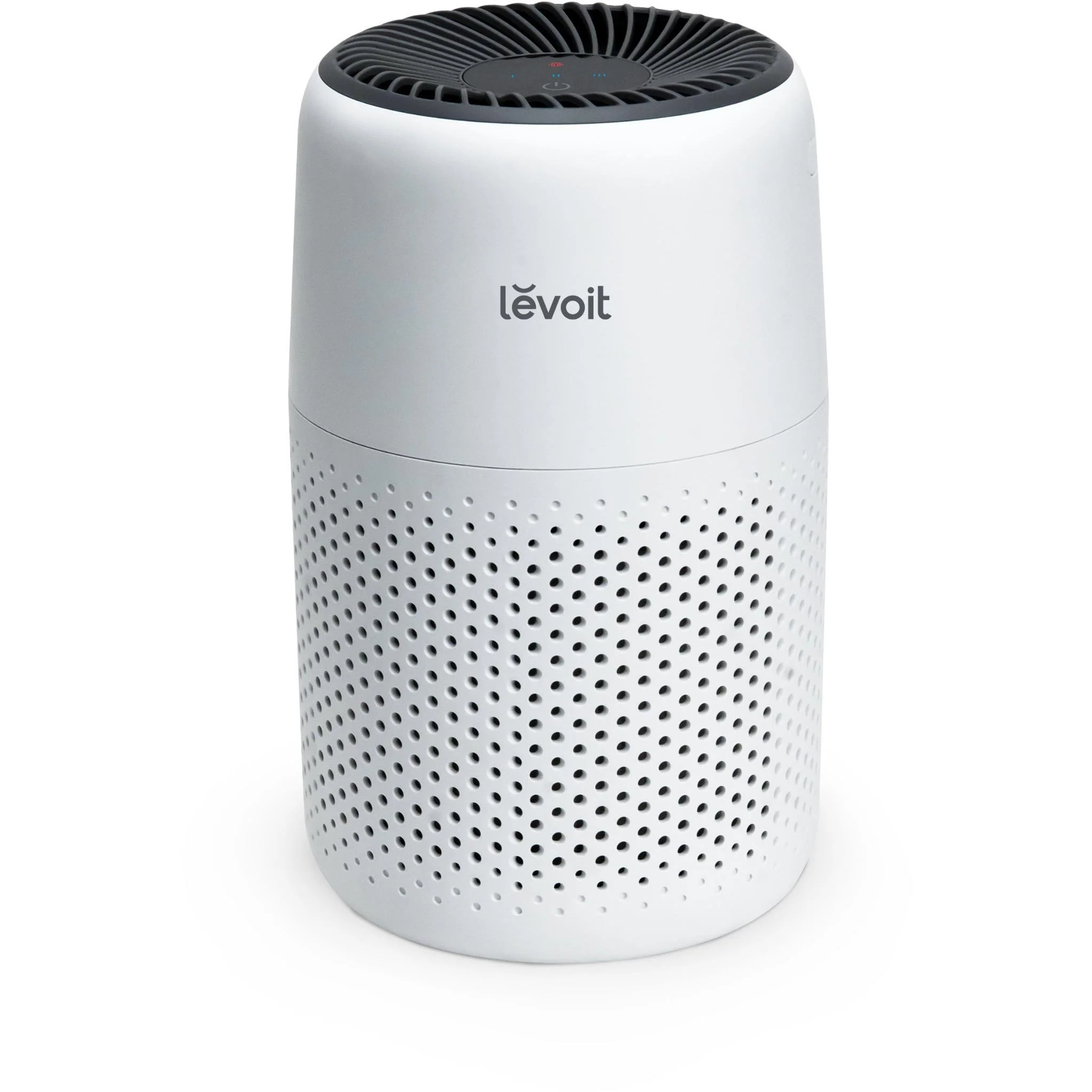
Choosing Your Champion: What to Look for in the Best Small Air Purifier
Selecting the ideal compact air purifier involves a bit of homework, but it’s well worth the effort for cleaner air. Here’s what to keep in mind:
Room Size and Clean Air Delivery Rate (CADR)
This is perhaps the most critical factor. A small air purifier is specifically designed for smaller spaces, typically ranging from 100 to 300 square feet. To truly gauge its effectiveness, you need to look at its Clean Air Delivery Rate (CADR).
“CADR measures how quickly an air purifier removes smoke, dust, and pollen from a room,” explains Dr. Anya Sharma, Environmental Health Specialist at CleanAir Home Research Lab. “A higher CADR indicates faster and more efficient purification for these particles.”.
Here’s a simple rule of thumb: the CADR rating should be at least two-thirds of your room’s square footage. So, if you have a 150 sq ft room, you’d want a CADR of at least 100. Beware of manufacturers who inflate room size recommendations based on just one air change per hour; you generally want at least three air changes per hour for optimal purification.
Noise Level: Silent Operator or Loud Companion?
Because small air purifiers are often used in personal spaces like bedrooms or offices, their noise level is incredibly important. Nobody wants a distracting hum while trying to sleep or concentrate. Look for models that operate quietly, especially on their lowest settings. Many models fall between 24 and 60 decibels (dB), with 24 dB being a whisper and 60 dB akin to a quiet office. Some purifiers can even act as soothing white noise, masking outside sounds.
Portability and Design: Where Will It Live?
The beauty of a small air purifier is its ability to move with you or blend seamlessly into your decor.
Consider:
- Weight and Size: Many compact units weigh under 10 pounds (4.5 kg) and are designed to fit on a nightstand, desk, or shelf.
- Aesthetics: Since it will be visible, choose a design that complements your room.
- Handles/Grips: Some models include built-in handles for easy transport.
|
Our Picks for the Best Air Purifier in 2026
As an Amazon Associate I earn from qualifying purchases.
|
||
| Num | Product | Action |
|---|---|---|
| 1 | Air Purifiers for Home with H13 True HEPA Filter Up to 1076 Ft² for Pet Hair, Odors, Pollen, Smoke, Compact Air Cleaner with 3 Speeds, Timer, Aroma Quiet 360°Intake Filter, White |

|
| 2 | Plug In Negative Ion Air Purifier, with Colorful Night Light, with One Replacement Filter, for Home, Kitchen, Bathroom,Toilet |
|
| 3 | LEVOIT Air Purifier for Home Allergies Pet Hair in Bedroom, Covers Up to 1073 ft² by 56W High Torque Motor, AHAM VERIFIDE, 3-in-1 Filter with HEPA Sleep Mode, Remove Dust Smoke Odor, Core300-P, White |
|
| 4 | LEVOIT Air Purifiers for Bedroom Home Dorm, 3-in-1 Filter Cleaner with Fragrance Sponge for Better Sleep,Portable Filters Smoke, Allergens, Pet Dander, Odor, Dust, Office, Desktop, Core Mini-P, White |
|
| 5 | 3 Pcs 2026 New Magair Air Purifier For M0ld, Magair Air Purifier Plug In No Filter Replacement, Mag Air Purifiers, Living Room,Pet Room, Air Purifiers For Bedroom |
|
| 6 | KNKA Genuine Air Purifier Replacement Filter, True HEPA Filter Compatible with APH30000 for High-Efficiency Air Filtration, Odor and Smoke Reduction, Pet Dander Version, 2 Pack |
|
| 7 | LEVOIT Air Purifier for Home Large Room Up to 1073Ft² with Air Quality Monitor, AHAM VERIFIDE, Smart WiFi, Washable Pre-Filter, HEPA Sleep Mode for Pets, Allergies, Dust, Pollen, Vital 100S-P, White |
|
| 8 | KNKA Air Purifier for Home Bedroom Large Room Up to 3,500 Ft², HEPA Air Cleaner with Washable Pre-Filter, AHAM VERIFIDE, AQI Display, ECO Mode, Pet Mode for Pets, Allergies, Dust, Pollen, APH4000 |
|
| 9 | AIRDOCTOR 3000 Series (AirDoctor 3000) |
|
| 10 | GermGuardian 4-In-1 HEPA Air Purifier for Home, Large Rooms Up To 743 Sq. Ft. with HEPA Air Filter, UV-C Light & Odor Reduction, AC4825E, 22\" Tower, Gray |
|
Ease of Use and Maintenance: Set It and Forget It?
Life’s complicated enough, your air purifier shouldn’t be. Look for features that make operation and upkeep simple:
- Simple Controls: Touch panels or one-button operation are convenient.
- Filter Replacement Reminders: These are incredibly helpful, ensuring you replace filters on time to maintain efficiency.
- Filter Life: Some filters last 6-12 months, while others might be washable, reducing long-term costs.
- Auto Mode/Air Quality Sensors: The best small air purifier models often come with sensors that detect current air quality and automatically adjust fan speed, saving you the hassle.
Smart Features and Connectivity: For the Tech-Savvy
Modern small air purifiers increasingly offer smart features:
- App Control: Manage settings, monitor air quality trends, and check filter life from your smartphone.
- Voice Control: Integration with smart speakers like Alexa or Google Assistant for hands-free operation.
Maximizing Your Small Air Purifier’s Performance
Even the best small air purifier needs a little help to shine. Here are some tips:
- Placement is Key: Position your air purifier in the room where you spend the most time. For cylindrical models, ensure it’s not too close to walls to allow for proper airflow.
- Keep Doors and Windows Closed: To ensure maximum efficiency, try to keep the room sealed while the purifier is running, preventing new pollutants from entering.
- Regular Filter Maintenance: Don’t neglect filter changes! Over time, filters get clogged and lose effectiveness. Check your device’s manual for recommended replacement schedules.
- Don’t Overpower: Using a small air purifier in a room too large for its CADR will render it ineffective.
The Health Boost: Benefits of Breathing Cleaner Air
The impact of clean air on your health and well-being is profound. Using the best small air purifier can lead to a host of benefits:
- Allergy and Asthma Relief: By filtering out common allergens like pollen, dust mites, and pet dander, air purifiers can significantly reduce allergy symptoms and lessen asthma triggers.
- Improved Sleep Quality: Cleaner air in your bedroom can lead to more restful sleep, free from irritants that might cause coughing or sneezing.
- Odor Elimination: Say goodbye to lingering pet odors, cooking smells, and mustiness. Activated carbon filters work wonders in neutralizing these unwelcome scents.
- Protection Against VOCs: Reducing VOCs from household products contributes to a healthier overall environment.
- Enhanced Productivity: In home offices, a quiet, effective air purifier can help you focus by providing a fresh, clean environment.
“Many of us don’t realize the sheer volume of pollutants in our indoor air,” says Dr. Sharma. “From daily dust to pet dander and even chemicals from our cleaning supplies, these unseen particles can impact our health over time. A small air purifier, strategically placed, offers a simple yet powerful way to take control of your personal air quality and create a healthier micro-environment.”
Common Misconceptions About Small Air Purifiers
- “They’re too small to be effective.” While they won’t purify an entire open-plan house, the best small air purifier models are incredibly effective for their designated room sizes, especially with high CADR ratings.
- “They’re only for allergies.” While excellent for allergy sufferers, air purifiers tackle a broad spectrum of pollutants, from odors to dust and even some viruses.
- “They’re noisy.” Modern compact air purifiers are designed with quiet operation in mind, especially on lower settings. Many even offer a pleasant white noise effect.
FAQs About Small Air Purifiers
Q: What is the ideal room size for a small air purifier?
A: The best small air purifiers are typically designed for rooms between 100 to 300 square feet. Always check the Clean Air Delivery Rate (CADR) and ensure it’s at least two-thirds of your room’s square footage for optimal performance.
Q: Do small air purifiers remove pet odors?
A: Yes, many small air purifiers include an activated carbon filter, which is highly effective at absorbing and neutralizing common odors, including those from pets, cooking, and smoke.
Q: How often should I change the filters in a small air purifier?
A: Filter replacement frequency varies by model and usage, but generally, True HEPA filters last 6-12 months, and activated carbon filters might need more frequent changes. Always refer to your specific model’s manual.
Q: Are small air purifiers energy efficient?
A: Many modern small air purifiers are designed to be energy efficient, especially when running on lower settings or in auto mode where they adjust fan speed based on air quality. Look for models with an Energy Star rating.
Q: Can a small air purifier help with asthma?
A: Yes, by significantly reducing airborne triggers like dust, pollen, and pet dander, small air purifiers can help lessen asthma symptoms and create a more comfortable breathing environment for sufferers.
Conclusion
Choosing the best small air purifier is a wise investment in your health and comfort. These compact powerhouses offer targeted purification, making a noticeable difference in the air quality of your personal spaces. By focusing on key features like CADR, filtration type, noise level, and ease of maintenance, you can find a model that perfectly suits your lifestyle and transforms your indoor environment. Take control of your air, breathe easier, and experience the profound benefits of a truly clean home.