Stepping into your home, do you ever truly feel the air is as fresh and clean as it could be? In a world increasingly conscious of indoor air quality, the promise of a simple, effective solution like the Clarifion Air Purifier captures attention. This compact device offers an intriguing approach to enhancing your home’s atmosphere, aiming to tackle common irritants from dust to pet dander. But what exactly is the science behind the Clarifion air purifier, and how does it fit into your quest for a healthier living space? Let’s dive deep into understanding this popular air quality solution, separating fact from perception to help you breathe a little easier.
What is the Clarifion Air Purifier? Unpacking Its Core Technology
At its heart, the Clarifion air purifier operates on a principle known as negative ion generation. Unlike traditional air purifiers that rely heavily on physical filters to capture airborne particles, the core Clarifion models employ a different strategy. These devices release negatively charged ions into your living space. The magic happens when these invisible ions encounter positively charged airborne pollutants—think dust, pollen, pet dander, and even some microscopic allergens. Attaching themselves to these particles, the negative ions make them heavier, causing them to fall out of the breathable air and settle onto nearby surfaces like floors, furniture, and walls.
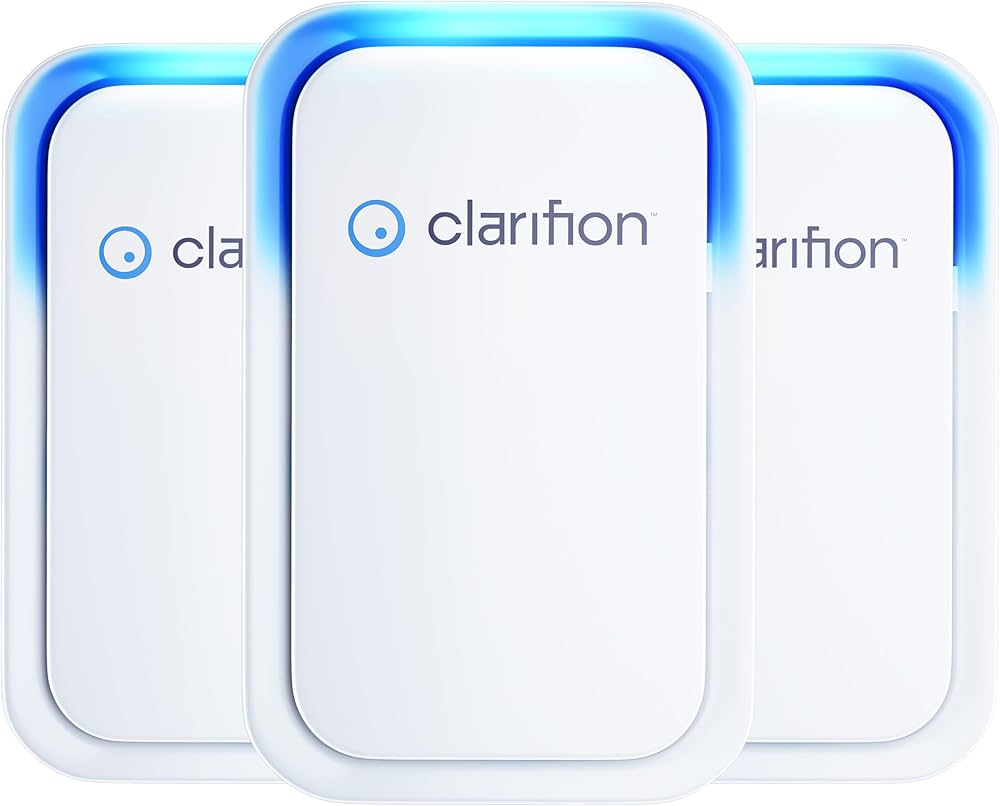
It’s a “plug-and-play” system, meaning you simply plug it into a standard wall outlet, and it begins its work, often indicated by a subtle blue LED light. This design emphasizes simplicity and ease of use, eliminating the need for complex setups or constant monitoring. While many Clarifion models focus solely on ionization, some, like the Clarifion DSTx, offer a hybrid approach, combining negative ion technology with a HEPA carbon filter. This aims to provide a more comprehensive purification by both settling particles and trapping them within a filter, as well as adsorbing odors.
The fundamental difference lies in how particles are handled. A traditional HEPA air purifier actively draws air through a dense filter, physically trapping particles within its fibers. The Clarifion, particularly its ionizer-only versions, doesn’t remove particles from your home; it moves them from the air you breathe to surfaces, where they then need to be cleaned manually. This distinction is crucial for understanding its role in your overall air quality strategy.
How Does the Clarifion Air Purifier Work in Your Home?
Imagine a device that quietly works in the background, subtly shifting the balance of your indoor air. That’s often the user experience with a Clarifion air purifier. Its compact, wall-mounted design allows it to blend seamlessly into most rooms without taking up floor space or requiring complex installation.
One of the most frequently lauded aspects of the Clarifion is its quiet operation and energy efficiency. Many users report that it runs almost silently, making it an ideal choice for bedrooms, offices, or any space where noise is a concern. The energy consumption is remarkably low, often less than one watt, meaning you can leave it plugged in 24/7 without worrying about a spike in your electricity bill.
However, it’s important to set expectations regarding its coverage. Clarifion devices are generally most effective in smaller areas, typically ranging from 150 to 350 square feet. For larger rooms or open-plan living spaces, you would likely need multiple units to achieve a noticeable effect.
Maintenance is another area where Clarifion differentiates itself. For its ionizer-only models, there are no filters to replace, which can be a significant cost and convenience saver compared to traditional HEPA purifiers. However, for models like the DSTx that include filters, regular cleaning or replacement is still necessary to maintain optimal performance. Regardless of the model, since particles are settled onto surfaces, consistent dusting and vacuuming become even more vital to truly remove these pollutants from your environment.
The Real-World Benefits: What Can a Clarifion Air Purifier Do For You?
Many users turn to the Clarifion air purifier hoping for a tangible improvement in their daily lives, and for specific needs, it often delivers.
- Reducing Dust and Common Allergens: A common sentiment among Clarifion users is a noticeable reduction in airborne dust. By causing these particles to settle, the air can feel clearer. For those with sensitivities to common allergens like pollen, dust mites, and pet dander, this can translate into genuine relief. Users frequently report fewer sneezes and less congestion, leading to a more comfortable indoor environment.
- Odor Reduction: The Clarifion is often praised for its ability to tackle household odors. Whether it’s lingering cooking smells, pet odors, or the general staleness that can accumulate in closed spaces, the negative ions can help neutralize these airborne particles, contributing to a fresher scent. Some specifically highlight its effectiveness near pet litter boxes.
- Potential for Improved Sleep and Well-being: Cleaner air, even if achieved by settling particles, can contribute to better sleep quality. Many users report feeling that the air in their bedrooms is fresher, which can lead to more restorative sleep. The presence of negative ions has even been linked in some studies to improved serotonin regulation, potentially enhancing mood and focus, though more robust scientific consensus is still developing in this area.
Dr. Lena Petrova, a leading environmental health specialist, notes, “While the Clarifion’s ionization technology doesn’t physically capture pollutants like a HEPA filter, it can be a surprisingly effective tool for certain household needs. For individuals primarily battling everyday dust and pet dander in smaller, contained spaces, or those sensitive to ambient odors, the perceived benefits of cleaner, fresher-feeling air are often quite significant. It’s about aligning the technology with the specific challenge.”
Important Considerations Before You Buy: A Look at the Nuances
While the Clarifion air purifier offers compelling benefits, it’s crucial to approach its capabilities with a clear understanding of its limitations and potential concerns.
Effectiveness Limitations
It’s important to reiterate that Clarifion’s primary mode of action is to settle airborne particles, not to remove them from your home’s ecosystem. This means dust and other pollutants simply relocate to your floors and surfaces, necessitating consistent cleaning to truly get rid of them. If you’re not diligent with your dusting and vacuuming, these settled particles can easily become re-suspended in the air.
Furthermore, several independent tests suggest that while Clarifion can reduce airborne particulate matter, its overall performance in cleaning the air (as measured by particle removal efficiency) is often lower than that of traditional HEPA air purifiers. It may also be less effective against more complex pollutants like Volatile Organic Compounds (VOCs), smoke, or very strong odors that activated carbon filters in traditional purifiers are designed to handle. One test showed a Clarifion ionizer reducing airborne particles in a small room by only 44% over 60 minutes, a result lower than many conventional air purifiers.
Ozone Production
A significant concern with ionizers is the potential for ozone production. Ozone, while a natural component of the upper atmosphere, can be a lung irritant at ground level, posing health risks, especially for individuals with respiratory conditions. Clarifion states that some of its models are CARB-certified (California Air Resources Board), indicating they meet strict standards for ozone emissions. This certification aims to assure consumers that the devices produce ozone within safe, regulated thresholds. However, the very nature of ionization means some level of ozone can be generated, and some experts still advise caution or prefer filter-based solutions to entirely avoid this byproduct.
Customer Experience
While many users report positive experiences, online reviews and consumer complaints platforms also highlight mixed feedback, particularly regarding customer service and product reliability. Issues such as unexpected charges, difficulties with returns and refunds, and even reports of units malfunctioning have been raised by some consumers. This variability in customer experience is an important factor to consider when making a purchase decision.
Clarifion Air Purifier vs. Traditional HEPA Air Purifiers: A Clear Comparison
Understanding the fundamental differences between a Clarifion air purifier and a traditional HEPA air purifier is key to making an informed choice for your home.
| Feature | Clarifion Air Purifier (Ionizer-focused) | Traditional HEPA Air Purifier |
|---|---|---|
| Technology | Emits negative ions to settle airborne particles; some models add HEPA/carbon filters. | Uses a fan to draw air through multi-layered filters (HEPA, activated carbon). |
| Particle Handling | Makes particles heavier, causing them to fall onto surfaces. | Physically traps and removes particles from the air. |
| Maintenance | Often filterless (ionizer-only); requires regular surface cleaning. | Requires periodic filter replacement/cleaning. |
| Coverage Area | Best for small, targeted spaces (150-350 sq ft). | Varies widely by CADR rating, can cover large rooms. |
| Effectiveness | Good for dust reduction, mild odors, and allergens; less effective against VOCs. | Highly effective against particles (99.97% of 0.3 microns) and VOCs (with carbon filter). |
| Ozone Production | Can produce trace amounts of ozone; some models CARB-certified. | Generally produces no ozone. |
| Noise Level | Typically very quiet, almost silent. | Can range from quiet to noticeable, depending on fan speed. |
| Cost | Generally lower initial cost and no filter replacement costs (for ionizer-only). | Higher initial cost; ongoing filter replacement costs. |
Optimizing Your Indoor Air: Tips for Using Your Clarifion Air Purifier
To get the most out of your Clarifion air purifier, consider these practical tips:
- Strategic Placement: Place your Clarifion in the rooms where you spend the most time, especially bedrooms, or near specific sources of pollutants like a pet’s area or a trash can. Its plug-in design makes it versatile for targeted use.
- Consistent Cleaning is Key: Since Clarifion causes particles to settle, diligent dusting, vacuuming, and wiping down surfaces are non-negotiable. Think of it as a team effort: Clarifion brings the particles down, and you remove them permanently.
- Consider Multiple Units: For homes with multiple rooms or slightly larger spaces, using several Clarifion units can provide more widespread coverage than a single device.
- Complement, Don’t Solely Rely: For comprehensive air purification, especially if you have significant allergy issues, asthma, or concerns about VOCs and strong odors, consider using a Clarifion air purifier as a complement to a HEPA filter-based system. A HEPA unit can handle the bulk air filtration, while Clarifion can maintain freshness in specific smaller areas.
Frequently Asked Questions (FAQ)
Is Clarifion a true air purifier?
The term “air purifier” often implies active filtration and removal of pollutants. Clarifion, particularly its ionizer models, functions by causing airborne particles to settle on surfaces rather than removing them from the air. Some Clarifion models, like the DSTx, combine ionization with HEPA and activated carbon filters, moving closer to traditional purification methods by capturing particles.
Does Clarifion remove viruses and bacteria from the air?
Clarifion’s ionization technology aims to make microscopic particles, including some bacteria and viruses, heavy enough to settle. However, the efficacy against all types of pathogens, and their complete removal from the environment, is generally considered less comprehensive than with medical-grade HEPA filters combined with UV-C light, which actively capture and often neutralize these microorganisms.
How often should I clean my Clarifion?
For ionizer-only models, maintenance typically involves wiping down the device itself and frequently cleaning the surfaces in the room where it’s operating, as that’s where the settled pollutants accumulate. If you have a Clarifion model with a HEPA filter, follow the manufacturer’s recommendations for filter cleaning or replacement, which is usually every 3-6 months depending on usage and air quality.
Can Clarifion help with pet odors?
Yes, many users report that the Clarifion air purifier is effective in reducing common household odors, including those from pets. The negative ion technology helps neutralize odor-causing particles, contributing to a fresher-smelling environment, especially in smaller areas like a pet’s corner or near a litter box.
Does the Clarifion air purifier make noise?
The Clarifion air purifier is known for its whisper-quiet operation. Most users find it virtually silent, making it an excellent choice for bedrooms or quiet office spaces where audible fan noise from traditional purifiers might be disruptive.
Is Clarifion safe for pets and children?
Clarifion models that are CARB-certified meet strict safety standards for ozone emissions, meaning they produce ozone within levels considered safe for humans and pets. However, like with any electronic device, it’s wise to place it out of reach of curious children and pets to prevent accidental tampering. If you have any concerns about ozone, especially for individuals with severe respiratory conditions, consulting with a healthcare professional or opting for a HEPA-only system might be advisable.
The Path to Cleaner Air with Clarifion Air Purifier
In the journey toward optimal indoor air quality, the Clarifion air purifier presents itself as an accessible and convenient option. Its unique ionization technology offers a distinct approach to managing airborne pollutants, excelling in areas like dust reduction and mild odor control, particularly within smaller spaces. While it operates differently from traditional HEPA filter systems by settling rather than capturing particles, and despite some mixed customer experiences, its ease of use, quiet operation, and affordability make it a compelling choice for many. Ultimately, the best air quality strategy is one that’s informed and tailored to your specific needs, combining smart technology with consistent household habits. So, consider if the Clarifion air purifier aligns with your personal pursuit of fresher, cleaner indoor air, and take that step towards a more comfortable home environment.