In today’s dynamic business landscape, an invisible threat often lurks within our commercial spaces: poor indoor air quality. From bustling offices to healthcare facilities, the air we breathe indoors can be significantly more polluted than the air outside, impacting everything from employee health to operational efficiency. As a leading voice in air purification technology, CleanAir Home understands that providing pristine air isn’t just a luxury; it’s a fundamental necessity. Investing in a robust Commercial Air Purifier system is no longer optional; it’s a strategic decision for any forward-thinking business.
What Makes a Commercial Air Purifier Different?
It’s easy to assume that any air purifier will do the trick, but commercial environments demand solutions engineered for scale and intensity. Unlike their residential counterparts, commercial air purifiers are built to tackle the unique challenges of larger, high-traffic areas, offering a level of purification that household units simply can’t match.
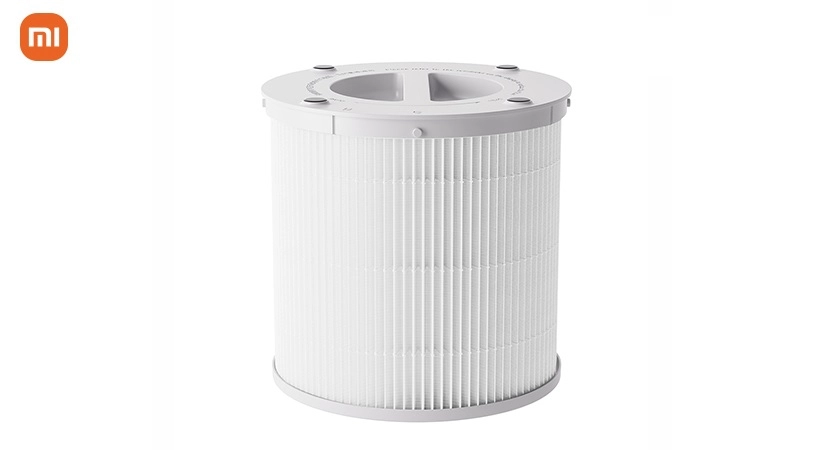
Residential vs. Commercial Air Purifier: A Clear Distinction
Think of it like this: you wouldn’t use a garden hose to put out a skyscraper fire. Similarly, a residential air purifier, designed for a cozy living room, isn’t equipped for an expansive office floor or a bustling retail space. Commercial units are notably larger and more powerful, engineered with high-capacity fans to process massive volumes of air. They boast significantly higher Clean Air Delivery Rates (CADR) and Air Changes Per Hour (ACH), meaning they can purify the air in a large area multiple times every hour.
The filtration capabilities are also vastly superior. While home units might feature standard HEPA filters, commercial-grade purifiers often integrate medical-grade H13 or H14 HEPA filters, alongside multi-stage filtration systems designed to capture an exceptional range of pollutants. Furthermore, commercial systems are typically intended for more permanent installation, sometimes integrating directly with existing HVAC infrastructure, demanding greater power and, at times, producing more operational sound due to their sheer capacity.
The Unseen Benefits: Why Your Business Needs a Commercial Air Purifier
The advantages of implementing a commercial air purifier extend far beyond simply “cleaner air.” They touch every aspect of your business, from human capital to brand perception.
Enhancing Health and Well-being for Everyone
The air in your commercial space is a silent carrier of countless particles: dust, pollen, mold spores, pet dander, volatile organic compounds (VOCs), and, critically, airborne viruses and bacteria. A high-performance commercial air purifier acts as an invisible shield, meticulously filtering out these contaminants. This proactive approach significantly reduces the transmission of airborne illnesses, including seasonal flu and viruses like COVID-19, leading to a noticeable drop in sick days and a healthier workforce. Employees suffering from allergies or respiratory issues will also experience significant relief, fostering a more comfortable and productive environment.
Building a Stronger Brand and Customer Trust
In a world increasingly aware of health and hygiene, demonstrating a commitment to air quality can be a powerful differentiator. Businesses that openly invest in commercial air purifiers send a clear message: “We care about your health.” This not only enhances the customer and visitor experience by eliminating unpleasant odors from kitchens, restrooms, or industrial processes but also bolsters your brand’s reputation for prioritizing well-being. It can even contribute to achieving green building certifications like LEED, further solidifying your image as a responsible and sustainable enterprise.
Meeting Regulations and Ensuring Compliance
For many industries, maintaining superior indoor air quality isn’t just good practice; it’s a regulatory requirement. Commercial air purifiers help businesses align with stringent health and safety standards set by bodies like OSHA and ASHRAE. Beyond human health, these systems also play a vital role in protecting sensitive equipment and machinery in industrial settings by reducing airborne particulate matter that can cause damage or reduce efficiency.
The Science of Clean: How Commercial Air Purifiers Work
At its heart, a commercial air purifier is a sophisticated system designed to draw in polluted air, strip it of contaminants, and release fresh, purified air back into the environment. This isn’t magic; it’s the result of advanced multi-stage filtration technologies working in concert.
Multi-Stage Filtration: A Closer Look at the Technologies
Modern commercial purifiers typically employ a combination of filter types, each targeting different pollutants:
- Pre-filters: These are the first line of defense, capturing larger particles like dust, hair, and pet dander. By preventing these bigger contaminants from reaching subsequent filters, pre-filters extend the lifespan and efficiency of the entire system.
- HEPA Filters (High-Efficiency Particulate Air): The cornerstone of effective air purification, true HEPA filters are meticulously designed to capture at least 99.97% of airborne particles as small as 0.3 microns. This includes microscopic allergens, mold spores, and even many viruses and bacteria. HEPA filters work through three main mechanisms: impaction (larger particles crashing into fibers), interception (mid-sized particles touching and sticking to fibers), and diffusion (fine particles eventually hitting and adhering to fibers). For commercial applications, H13 or H14 medical-grade HEPA filters are often recommended for their exceptional capture rates.
- Activated Carbon Filters: These filters specialize in absorbing gases, odors, and Volatile Organic Compounds (VOCs). Think of chemical fumes from cleaning products, cooking smells, or even off-gassing from furniture – activated carbon’s porous structure traps these molecules, neutralizing unpleasant scents and harmful chemical pollutants.
- UV-C Sterilization: Many advanced commercial air purifiers incorporate UV-C (ultraviolet-C) light. This technology works by damaging the DNA or RNA of microorganisms like bacteria, viruses, and mold spores, rendering them inactive and unable to reproduce. It’s an excellent addition for environments where pathogen control is paramount, such as healthcare or food service.
- Other Advanced Technologies: Some commercial systems also utilize Photocatalytic Oxidation (PCO), which uses UV light and a titanium dioxide catalyst to break down pollutants into harmless substances, or molecular filtration media that chemically transform contaminants into inert salts.
Choosing the Right Commercial Air Purifier for Your Space
Selecting the ideal commercial air purifier isn’t a one-size-fits-all decision. It requires a careful assessment of your specific needs and environment to ensure maximum effectiveness.
Understanding Your Needs: Room Size and Coverage Area
The first step is to accurately measure the square footage and ceiling height of the area you intend to purify. This will help determine the necessary Clean Air Delivery Rate (CADR) and Air Changes per Hour (ACH) your unit needs to achieve optimal air quality. A higher CADR indicates faster cleaning for specific pollutants (like smoke, dust, or pollen), while ACH tells you how many times the air in your space is completely exchanged with clean air in an hour. Aim for a system that can provide at least 4-5 ACH for most commercial settings, and even more in high-risk areas.
Filter Lifespan and Replacement Costs
Consider the long-term operational costs associated with filter replacement. While pre-filters might be washable, HEPA and activated carbon filters typically need replacement every 6 to 12 months, or 3 to 6 months respectively, depending on usage and air quality levels. Always refer to the manufacturer’s recommendations. Factor in the cost and availability of replacement filters into your budget to avoid unexpected expenses down the line.
Noise Levels and Smart Features
While commercial units are powerful, modern designs often prioritize quiet operation. Evaluate the decibel levels to ensure the purifier won’t disrupt your workplace environment. Additionally, look for smart features like real-time air quality sensors, automatic operating modes that adjust to pollution levels, and smart controls that allow for remote monitoring and management. These features enhance convenience and efficiency.
Integration with Existing HVAC Systems
For comprehensive whole-building air purification, consider units that can seamlessly integrate with your existing Heating, Ventilation, and Air Conditioning (HVAC) system. This approach ensures consistent air purification throughout your entire facility, rather than just localized treatment.
Maximizing Performance: Maintenance and Best Practices
A commercial air purifier is an investment that needs ongoing care to deliver consistent results. Regular maintenance is key to extending its lifespan and ensuring it operates at peak efficiency.
Routine Care for Long-lasting Efficiency
Just like any essential equipment, your air purifier thrives on routine maintenance. Start by always powering off and unplugging the unit before any cleaning. Regularly wipe down the exterior surfaces and vacuum any accumulated dust and debris from internal components and the front grill. For units with washable pre-filters, clean them according to the manufacturer’s instructions, ensuring they are thoroughly dry before reinstallation. The most critical step is adhering to the recommended schedule for replacing disposable filters. Using genuine, correct replacement parts is vital to maintain the unit’s filtration efficiency and warranty. Consider scheduling professional inspections to ensure all components are functioning optimally and to address any potential issues proactively.
Strategic Placement and Environmental Control
The placement of your commercial air purifier can significantly impact its performance. Ensure it’s not obstructed by furniture or walls, allowing for unrestricted airflow. In enclosed commercial spaces, keeping windows and doors closed will help the purifier work most effectively, preventing re-entry of outdoor pollutants. Furthermore, maintaining general cleanliness in the area around the unit reduces the load on your filters, allowing them to focus on microscopic particles rather than surface dust.
Expert Insight on Commercial Air Purification
“Investing in commercial air purification isn’t just about meeting compliance; it’s a strategic move to foster a thriving, healthy environment. Businesses that prioritize superior indoor air quality are seeing tangible returns in employee well-being, reduced absenteeism, and a stronger brand image that resonates with clients.” – Dr. Anya Sharma, Lead Environmental Scientist at CleanAir Innovations.
Frequently Asked Questions (FAQ)
Q: How often should commercial air purifier filters be replaced?
A: The replacement frequency depends on the filter type, usage, and local air quality. Typically, HEPA filters need replacing every 6 to 12 months, while activated carbon filters might need changing every 3 to 6 months. Always follow the manufacturer’s specific guidelines.
Q: Can commercial air purifiers remove viruses like COVID-19?
A: Yes, many commercial air purifiers, especially those equipped with medical-grade HEPA filters (H13/H14) and UV-C sterilization, are highly effective at capturing and neutralizing airborne viruses, including SARS-CoV-2 (the virus responsible for COVID-19), helping to reduce transmission risk in indoor spaces.
Q: What’s the best way to determine the right size air purifier for my business?
A: To find the right size, measure the square footage and ceiling height of your commercial space. Then, calculate the required Clean Air Delivery Rate (CADR) and aim for an Air Changes per Hour (ACH) of at least 4-5 for optimal purification in most commercial environments. Consulting an air quality specialist can provide tailored recommendations.
Q: Are commercial air purifiers noisy?
A: While commercial units are more powerful than residential ones, many modern commercial air purifiers are designed to operate with minimal noise, often blending into the background hum of a busy environment. Always check the decibel ratings when making a selection, especially for noise-sensitive areas like offices or libraries.
Q: Do commercial air purifiers help with odors?
A: Absolutely! Commercial air purifiers that include activated carbon filters are highly effective at absorbing and neutralizing a wide range of odors, including those from cooking, chemicals, sanitation, and general foot traffic, leading to a fresher, more pleasant environment.
The CleanAir Home Promise: Breathe Easy, Business Thrives
The pursuit of superior indoor air quality is a journey, not a destination. By embracing the power of the commercial air purifier, businesses can create healthier, safer, and more inviting environments for their employees and customers alike. At CleanAir Home, we believe that clean air is the foundation of a thriving enterprise. It’s about protecting your people, enhancing your brand, and ensuring your business operates at its healthiest potential. Invest in clean air today, and watch your business breathe a sigh of relief.