Stepping into your home, you expect to breathe easy, right? Yet, the air inside our dwellings can often be two to five times more polluted than the outdoor air, carrying everything from dust and pollen to pet dander, mold spores, and even volatile organic compounds (VOCs). This invisible threat underscores why many are turning to air purifiers, and when it comes to making an informed choice, “Consumer Reports Air Purifier” information is a beacon for clarity. Understanding what expert testing reveals is crucial for selecting a device that truly delivers cleaner air.
The Science Behind Clean Air: How Air Purifiers Work
At its heart, an air purifier is a straightforward marvel of engineering designed to filter particulate matter from the air and recirculate cleaner air back into your living space. The fundamental principle involves a fan that draws in ambient air and pushes it through a series of filters. This seemingly simple mechanism harbors sophisticated technology.
The “gold standard” in air purification is the HEPA filter, an acronym for High-Efficiency Particulate Air. To meet industry standards set by the US Department of Energy, a HEPA filter must capture 99.97% of airborne particles as tiny as 0.3 microns. These include common allergens like pollen, dust mites, pet dander, and even smoke particles. Beyond solid particulates, activated carbon filters are often integrated. These porous filters excel at trapping gases, odors, and VOCs, which can emanate from cooking, cleaning products, or even new furniture.
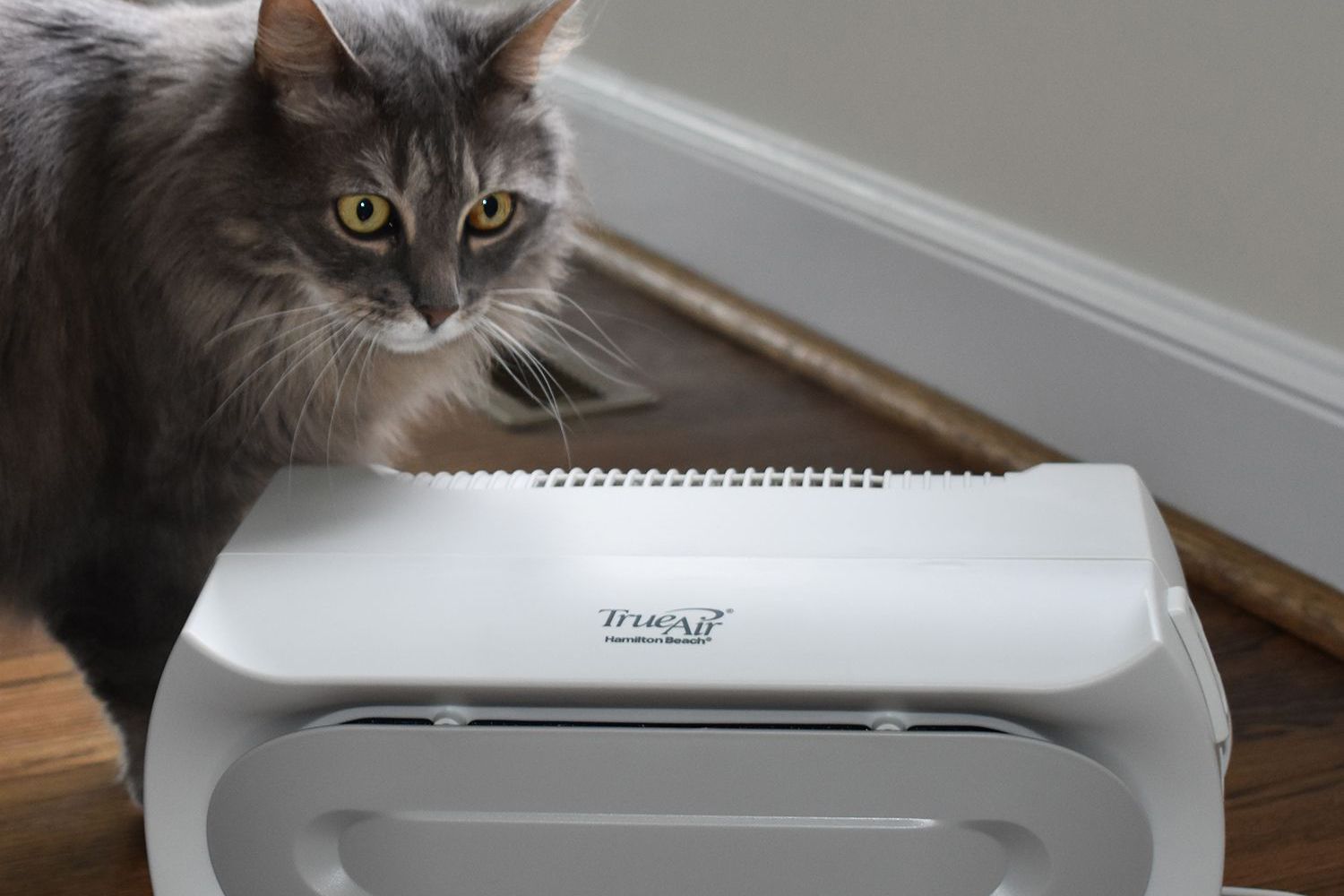
While most modern purifiers combine these effective filtration methods, some technologies warrant caution. For instance, negative ion air purifiers charge particles, causing them to clump and settle, but without a collector plate, these particles simply land on surfaces and can be resuspended. More critically, some ionizers may produce ozone, a known lung irritant, exchanging one pollutant for another. As CleanAir Home’s lead engineer, Dr. Anya Sharma, notes, “Our primary focus is on proven filtration methods that remove contaminants without introducing new concerns. HEPA and activated carbon are the true workhorses of clean air.” UV-C light, sometimes included, can neutralize airborne bacteria and viruses, acting as an extra layer of defense against pathogens.
Beyond the Hype: What Consumer Reports-Style Testing Reveals
When you look for a “consumer reports air purifier” review, you’re seeking unbiased, rigorously tested data, and that’s precisely what independent lab tests provide. Experts delve deep into performance metrics that go beyond basic specifications. For instance, CNET, a trusted review authority, evaluates air purifiers across several critical areas:
- Particle Removal: Measured by “T90,” the time it takes for an air purifier to clear 90% of particles from a controlled chamber. This metric is crucial for understanding how quickly a unit can clean the air.
- Energy Efficiency: Quantified in kilowatt-hours (kWh), this reveals the long-term running cost, an often-overlooked but significant factor for continuous operation.
- Loudness: Measured in decibels (dBA) across different fan settings, ensuring the purifier won’t disrupt sleep or daily activities.
- Price and Features: Assessing the overall value proposition, including smart features like app control, auto modes, and air quality indicators.
These tests often highlight the dangers of microscopic particles like PM2.5 (particulate matter 2.5 micrometers or less in diameter) and PM10 (less than 10 micrometers). According to health experts like Dr. Mark Hyman, chief medical officer at Function Health, “We’re constantly breathing in particles, allergens, and toxins that can impact our health. Particles like PM2.5 are small enough to reach deep into our lungs and even into the bloodstream, posing significant cardiovascular and respiratory risks.”
Top Picks from Independent Lab Tests
Leveraging insights from comprehensive reviews, here are some top air purifiers that frequently earn high marks for their performance, reflecting what you’d expect from a thorough “consumer reports air purifier” analysis:
- Blueair Blue Pure 311i Max: Best Overall & Quietest Top Performer
This model often shines for its balanced performance, effectively clearing smoke and particles while maintaining quiet operation (around 34.84 dBA on low fan) and impressive energy efficiency. It’s an excellent “jack-of-all-trades” for most households, offering a T90 of 1 minute and 28 seconds and smart features like app control and a particle sensor. - Coway Airmega 400S: Best for Whole Home & Fastest High-Fan Particle Removal
If you’re looking to purify large, open spaces, the Airmega 400S is a powerhouse. It boasts a T90 of just 21 seconds on its highest fan setting, making it incredibly effective for rapid air cleaning. While larger and potentially louder at high speeds, its ability to cover up to 3,100 square feet in an hour and robust four-layer filtration system justify its premium. - Shark Large Air Purifier HP232: Most Energy-Efficient & for Cold/Flu Prevention
This unit stands out for its efficiency and fast particle removal at lower fan settings (T90 of 1 minute and 17 seconds). It’s also noted as one of the cheapest large air purifiers to run, consuming only 11.50 kWh per month, making it a smart choice for continuous use without spiking your energy bill. - Windmill 3-in-1 Air Purifier: Targeting Allergens & Smoke
Specializing in fine particle clearing, the Windmill 3-in-1 is ideal for allergy sufferers or those in areas prone to wildfire smoke. It achieves a T90 of 1 minute and 7 seconds for fine particles and maintains quiet, energy-efficient performance. - Oransi Mod Plus Air Purifier MD02: Battling Pet Hair & Dust
For homes with pets or significant dust, the Oransi Mod Plus excels at removing coarse particles quickly, with a T90 of 52 seconds. Although it comes with a higher price tag and energy draw, its robust construction and made-in-the-USA status appeal to many.
Choosing Your Champion: A Smart Buyer’s Guide
Selecting the right air purifier is more than just picking a brand. It’s about matching the device to your specific needs and environment.
Understanding Room Size and Coverage
The most critical factor is the Clean Air Delivery Rate (CADR). This metric indicates how quickly the air purifier can clean a room of a specific size, measured in cubic feet per minute (CFM). A common guideline is that your air cleaner’s CADR should be at least two-thirds of your room’s area. For instance, a 10-foot by 12-foot room (120 sq ft) needs a CADR of at least 80 CFM. Getting a unit too small for your space will lead to disappointing results.
Budgeting for the Long Haul
Beyond the initial purchase price, always consider the ongoing cost of filter replacements. Most HEPA and activated carbon filters need to be changed every 6 to 12 months, depending on usage and air quality. Smart purifiers often include filter life indicators or app notifications to remind you.
Leveraging Smart Features
Modern air purifiers come with a host of convenient features:
- App Control: Manage settings, schedules, and monitor air quality remotely.
- Automatic Mode: Uses sensors to detect pollutants and adjust fan speed accordingly, optimizing performance and energy use. “Auto-mode purifiers can automatically ramp up the speed when the pollution is higher,” explains Jie Zhao, head of Delos Labs, a human health tech company.
- Air Quality Indicators: Visual displays (often color-coded) that show real-time air quality levels.
Optimal Placement for Maximum Impact
For best results, place your air purifier as centrally as possible in the room, ensuring all air intake points are unobstructed. Avoid placing it directly against a wall. Positioning it near doorways or vents can sometimes help circulate air more effectively, enhancing its reach.
Unmasking the Benefits: Why Cleaner Air Matters for Your Health
The impact of indoor air quality on health is profound. The World Health Organization estimates that household air pollution contributed to 3.2 million deaths worldwide in 2020. Air purifiers can be a vital part of mitigating these risks.
Reducing Allergy and Asthma Symptoms
For those suffering from seasonal allergies or asthma, an air purifier can significantly reduce triggers like pollen, dust mites, and pet dander, leading to fewer symptoms and improved breathing.
Lowering Risk of Respiratory Illnesses
By continuously removing fine particulate matter and other airborne contaminants, air purifiers help lower the risk of developing or exacerbating respiratory diseases, stroke, lung cancers, and COPD.
Who Benefits Most?
While beneficial for almost anyone, air purifiers are particularly helpful for:
- Individuals with seasonal allergies, asthma, or chronic respiratory issues.
- Pet owners, as microscopic dander is a common allergen.
- Those in areas impacted by wildfire smoke or high ambient pollution.
- Families with young children, older adults, and individuals with chronic inflammation or immune sensitivities, who are often more vulnerable to poor air quality.
Debunking Myths and Maximizing Efficiency
There are a few common misconceptions about air purifiers. Firstly, air purifiers do not affect the level of oxygen in a room; they simply clean the existing air. Secondly, while powerful, an air purifier is not a magic bullet. It works best when combined with good household hygiene. Particles that settle on surfaces (like dust on a table or allergens in carpets) need to be agitated back into the air through vacuuming, sweeping, and dusting for the purifier to capture them.
To maximize efficiency, always keep windows and doors closed when your air purifier is running, especially in the intended purification zone. Running the unit continuously (24/7) is often recommended, particularly in areas with persistent pollutants like pet dander or smoke, changing filters as soon as indicators suggest.
What’s Next for Air Purification: Trends Shaping the Future
The air purification industry is continually innovating, driven by increasing awareness of indoor air quality. Current trends highlight:
- Miniaturization without Compromise: Manufacturers are developing smaller, more aesthetically pleasing units that retain powerful purification capabilities, fitting seamlessly into diverse home aesthetics. Dyson’s HushJet Purifier Compact, for example, features a jet engine-like nozzle design to purify rooms up to 228 square feet efficiently.
- Multi-functional Integration: Devices are evolving beyond simple purification, incorporating features like cooling, heating, or humidifying. This trend offers homeowners combined utility, optimizing space and convenience.
- Novel Combinations: We’re seeing unique innovations such as Blueair’s PetAir Pro, which integrates a pet bed to capture dander and allergens at the source, or the EyeVac Air, combining an air purifier with an automatic dustpan. These creative solutions enhance user experience and address specific lifestyle needs.
A Cleaner Tomorrow with CleanAir Home
As experts in air quality solutions, CleanAir Home is committed to empowering you with the knowledge and products to create healthier living spaces. The insights provided by “consumer reports air purifier” evaluations are invaluable for navigating the market. Investing in a high-quality air purifier, guided by reliable testing, is an investment in your well-being. By understanding how these devices work, what independent tests highlight, and how to use them effectively, you can confidently choose the right solution for your home, ensuring every breath you take is a breath of fresh air. Explore CleanAir Home’s range of advanced air purification systems and discover how our technology can transform your indoor environment for a healthier, happier life.