Ever walk into your home and feel a certain stuffiness, or catch a whiff of a subtle, unwelcome odor? You’re not alone. The air inside our homes, where we spend the vast majority of our time, can often be more polluted than the air outside. From microscopic allergens to excess moisture creating a breeding ground for mold, unseen threats can significantly impact our comfort and well-being. This is where the powerful combination of a Dehumidifier And Air Purifier steps in, offering a two-pronged attack on indoor air quality challenges. Understanding their distinct roles and how they can work together is key to transforming your living space into a sanctuary of fresh, breathable air.
Dehumidifiers Unpacked: Taming the Moisture Menace
Humidity, while necessary in small doses, can become a real problem indoors. Too much moisture in the air can make your home feel sticky, stuffy, and downright uncomfortable. It also creates an ideal environment for various unwelcome guests.
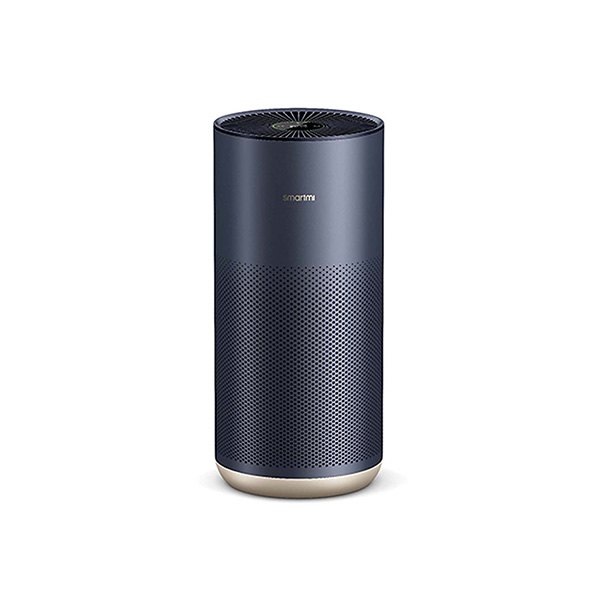
What Exactly Does a Dehumidifier Do?
A dehumidifier is essentially a moisture-extraction expert for your home. It works by drawing in the humid air from a room using a fan. Once inside, this air passes over a series of chilled coils. As the warm, moist air meets these cold surfaces, the water vapor in the air condenses into liquid droplets, much like dew forming on grass or condensation on a cold glass. This collected water then drips into a reservoir tank within the unit, which you’ll need to empty periodically. The now-drier air is reheated slightly and released back into the room, reducing the overall humidity level. It’s a continuous cycle that steadily lowers the moisture content of your indoor environment.
Why Humidity is a Problem for Your Home and Health
High humidity isn’t just about discomfort; it poses genuine threats to both your home and your health. One of the most common issues is the growth of mold and mildew. These fungi thrive in damp conditions, often appearing as black, green, or white patches on walls, ceilings, and even furniture. Beyond their unsightly appearance, mold and mildew release spores into the air, which can trigger allergic reactions, asthma attacks, and other respiratory problems.
Excess moisture also creates a paradise for dust mites, microscopic creatures that are a major indoor allergen. They flourish in humid environments, feasting on dead skin cells. Reducing humidity levels below 50% can significantly hinder their reproduction. Furthermore, chronic high humidity can lead to musty odors, warping of wooden furniture, peeling paint, and even structural damage over time. Protecting your home from moisture is a critical step in preserving its integrity and maintaining a healthy living space.
When a Dehumidifier is Your Best Friend
You’ll quickly realize a dehumidifier’s value if you live in a naturally humid climate or if certain areas of your home are perpetually damp. Basements, for example, are notorious for high humidity due to their subterranean nature. Bathrooms and laundry rooms, especially if poorly ventilated, can also accumulate significant moisture. Signs that you need a dehumidifier include visible condensation on windows, damp-feeling surfaces, a persistent musty smell, or recurring mold growth. “Controlling indoor humidity is foundational to preventing common household issues like mold, dust mites, and persistent musty smells,” advises Dr. Emily Chen, an environmental health specialist at CleanAir Home Research. “A good dehumidifier doesn’t just make the air feel better; it actively protects your home and health.”
Air Purifiers Revealed: Your Shield Against Airborne Invaders
While a dehumidifier tackles moisture, an air purifier targets the particles that float unseen in your indoor air. These microscopic pollutants can range from annoying to truly harmful, affecting everything from your daily comfort to long-term health.
The Science Behind Air Purification
An air purifier’s mission is to capture and neutralize airborne contaminants. It works by drawing in room air through a powerful fan system. This air then passes through a series of specialized filters designed to trap different types of particles. The clean, filtered air is then circulated back into the room, continuously refreshing your indoor environment. Unlike dehumidifiers that focus on water vapor, air purifiers are all about particulate matter.
Key Filtration Technologies: More Than Just a Fan
The effectiveness of an air purifier largely depends on its filtration system. Here are the main players:
- HEPA Filters: High-Efficiency Particulate Air (HEPA) filters are the gold standard. They are designed to capture at least 99.97% of airborne particles 0.3 microns in size. This includes common allergens like dust, pollen, pet dander, and mold spores, as well as microscopic bacteria and even some viruses. For anyone suffering from allergies or asthma, a true HEPA filter is non-negotiable.
- Activated Carbon Filters: These filters excel at absorbing gases, odors, and volatile organic compounds (VOCs) that HEPA filters can’t catch. Think cooking smells, pet odors, smoke from fireplaces or tobacco, and chemical fumes from cleaning products or new furniture. Activated carbon filters work by adsorption, where pollutants stick to the porous surface of the carbon.
- Other Technologies: Some air purifiers also incorporate UV-C light, which can help inactivate airborne pathogens like bacteria and viruses. Ionizers release charged ions that attach to particles, making them heavier so they fall out of the air, where they can be more easily cleaned or captured by other filters. It’s crucial to understand each technology to choose the right fit for your specific needs.
The Clear Benefits of Breathing Cleaner Air
The advantages of breathing air free from pollutants are profound. For allergy and asthma sufferers, an air purifier can significantly reduce triggers, leading to fewer symptoms and better sleep. It lessens exposure to respiratory irritants, helping to maintain healthier lungs for everyone in the household. Beyond health, air purifiers are champions of odor elimination, effectively neutralizing lingering smells from cooking, pets, or smoke, leaving your home smelling genuinely fresh. The result is an overall enhanced sense of well-being and a noticeably cleaner, more invigorating indoor atmosphere.
Dehumidifier and Air Purifier: A Dynamic Duo for Comprehensive Clean Air
While a dehumidifier and an air purifier serve distinct primary functions, their combined power offers an unparalleled approach to optimizing indoor air quality. Think of it as a coordinated effort to tackle both the invisible and the pervasive challenges in your home.
Can You Use Both an Air Purifier and a Dehumidifier Together? Absolutely!
In many homes, both excessive humidity and airborne pollutants are prevalent issues. This is where a dehumidifier and air purifier truly shine as a dynamic duo. The dehumidifier diligently works to remove excess moisture, thereby inhibiting the growth of mold, mildew, and dust mites. Simultaneously, the air purifier diligently filters out existing airborne particles, allergens, and odors. This complementary action means you’re not just addressing one problem; you’re creating a holistically healthier and more comfortable living environment. “For optimal indoor air quality, especially in variable climates or homes with specific concerns like allergies and damp basements, combining a dehumidifier and an air purifier is the most effective strategy,” states Dr. Chen. They work particularly well together in areas prone to both issues, such as basements, bedrooms, or even living rooms during humid seasons.
Choosing the Right Combination for Your Home
Deciding on the best dehumidifier and air purifier solution for your home requires a bit of consideration. Start by assessing your primary environmental challenges. Is your home primarily plagued by high humidity leading to musty smells and potential mold? Or are airborne allergens and odors your main concern?
- Separate Units vs. Combo Units: You can opt for two separate, dedicated appliances, or consider a combined unit that offers both functions. Dedicated units often excel in their specific primary function, offering more robust dehumidifying capacity or more advanced multi-stage air filtration. Combo units, while convenient and space-saving, might offer a slightly less powerful performance in either category compared to their dedicated counterparts. However, for milder issues or smaller spaces, a good combo unit can be a fantastic, streamlined solution.
- Capacity and Coverage: When selecting an air purifier, look at its Clean Air Delivery Rate (CADR), which indicates how effectively it filters a room of a certain size. For dehumidifiers, consider the pint capacity (how much moisture it can remove in 24 hours) relative to your room size and humidity levels.
- Maintenance Matters: Both types of devices require regular maintenance. Air purifiers need filter replacements (HEPA filters typically every 6-12 months, carbon filters more often depending on usage). Dehumidifiers require periodic emptying of their water tank or connection to a continuous drain if available. Factor these upkeep requirements into your decision.
Expert Insights and Common Questions
It’s natural to have questions when investing in improving your home’s air. Let’s tackle some frequently asked ones:
What are the signs I need a dehumidifier?
You likely need a dehumidifier if you notice persistent musty odors, visible mold or mildew growth, condensation on windows or cold surfaces, a perpetually damp or sticky feeling in the air, or if you or family members experience increased allergy or asthma symptoms when humidity is high.
How often should I change air purifier filters?
The frequency for changing air purifier filters varies by model, usage, and the level of pollution in your environment. Generally, HEPA filters should be replaced every 6 to 12 months, while activated carbon filters may need changing every 3 to 6 months. Always refer to your specific unit’s manufacturer guidelines.
Do combo units perform as well as separate ones?
While some advanced combo units offer impressive performance, dedicated air purifiers often provide more robust multi-stage filtration, and dedicated dehumidifiers can handle higher moisture removal capacities. Combo units are excellent for convenience and addressing moderate issues in smaller areas, but for severe humidity or air quality problems, separate, specialized units might be more effective.
What’s the ideal indoor humidity level?
For optimal comfort, health, and to prevent mold and dust mite growth, the ideal indoor relative humidity level is generally considered to be between 30% and 50%. A hygrometer can help you monitor this in your home.
Conclusion
Creating a home environment that truly supports your health and well-being means addressing both the moisture in the air and the particles it carries. The journey to cleaner, fresher indoor air often begins with understanding the distinct yet complementary roles of a dehumidifier and air purifier. A dehumidifier vigilantly controls moisture, preventing the proliferation of mold, mildew, and dust mites, while an air purifier acts as your frontline defense against allergens, pollutants, and odors. By strategically deploying one or both of these powerful appliances, you’re not just buying a device; you’re investing in a profound improvement in your quality of life. Take the step today to assess your home’s needs and experience the transformative difference of truly clean, balanced indoor air.