Tired of constantly buying and replacing expensive filters for your air purifier? You’re not alone. Many homeowners are seeking a more convenient and cost-effective solution to improve their indoor air quality. Enter the Filterless Air Purifier, a revolutionary approach to clean air that promises to liberate you from the endless cycle of filter changes. But what exactly are these devices, how do they work, and can they truly deliver on their promise of a cleaner home environment without traditional filters? Let’s explore this fascinating technology and uncover whether a filterless air purifier is the right choice for your household.
The quest for cleaner indoor air has become more pressing than ever. From pollen and pet dander to dust mites and volatile organic compounds (VOCs), our homes are often sanctuaries for invisible pollutants. While conventional air purifiers with HEPA filters have long been the gold standard, the recurring cost and environmental impact of replacement filters can be a significant drawback. This is where the innovation of filterless air purifiers shines, offering a compelling alternative that deserves a closer look.
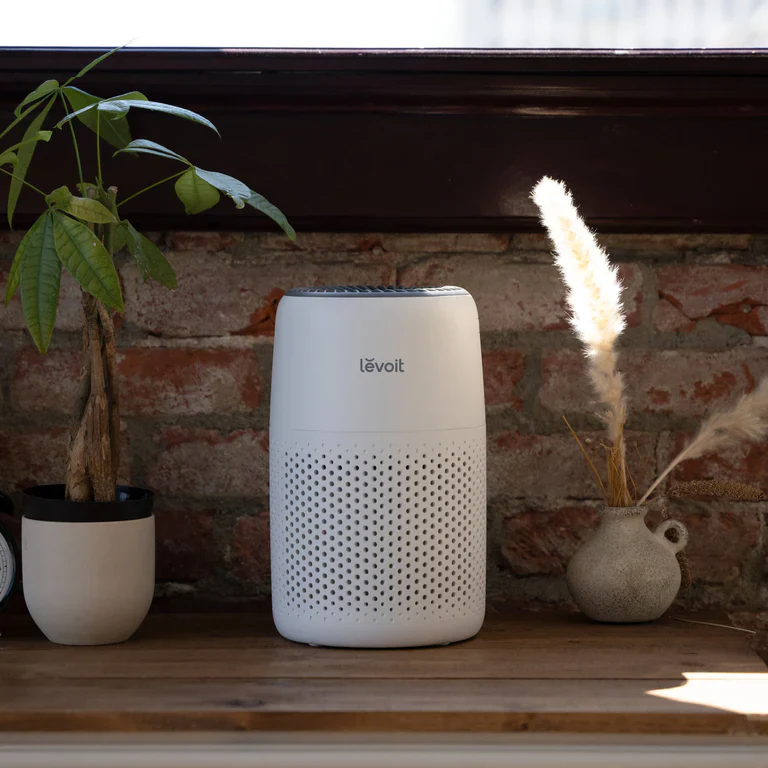
The Ingenious Mechanics: How Filterless Air Purifiers Work
Unlike their traditional counterparts that rely on physical barriers to trap particles, filterless air purifiers employ a variety of advanced technologies to remove pollutants from the air without the need for replaceable filters. These systems often utilize electrical charges, UV-C light, or water-based filtration to cleanse the air.
Electrostatic Precipitation
One of the most common technologies in filterless purifiers is electrostatic precipitation. Here’s how it generally works:
- Charging Section: Air is drawn into the unit, and airborne particles (like dust, pollen, and smoke) pass through an ionization section where they receive an electrical charge.
- Collection Plates: These charged particles are then attracted to oppositely charged metal collection plates within the purifier, much like static electricity attracts dust to a screen.
- Cleaning: Over time, the collection plates accumulate a layer of pollutants. Instead of replacing a filter, you simply remove and wash these plates, making them ready for reuse.
This method is highly effective at capturing even microscopic particles, including allergens and bacteria, without impeding airflow.
Ionization
Another approach involves air ionizers. These devices release a stream of negatively charged ions into the air. These ions attach to positively charged airborne particles, making them heavier. As a result, the particles become too heavy to remain suspended and fall out of the air, settling on surfaces where they can be wiped away or vacuumed. While ionizers don’t collect particles internally, they effectively reduce airborne contaminants.
UV-C Light Technology
Some filterless purifiers incorporate UV-C germicidal lamps. While not a primary particle removal method, UV-C light is highly effective at destroying airborne microorganisms like bacteria, viruses, and mold spores by disrupting their DNA. Often, UV-C is paired with other filterless technologies to provide a more comprehensive air purification solution, focusing on biological contaminants that might otherwise pass through other systems.
Water-Based Filtration Systems
Less common but equally innovative are water-based air purifiers. These systems draw air through a reservoir of water, where pollutants are “washed” out and trapped in the water. The purified air is then released back into the room. The water, along with the trapped contaminants, is simply discarded and replaced with fresh water, eliminating the need for traditional filters. This method can also add a touch of humidity to dry environments.
Benefits Beyond the Filter: Why Go Filterless?
Choosing a filterless air purifier comes with a host of advantages that make it an attractive option for many households.
Cost-Effectiveness
The most obvious benefit is the long-term savings. With no filters to buy, you eliminate a significant recurring expense. While the initial investment might be comparable to a traditional purifier, the cumulative cost of filters over several years can be substantial. “Many consumers are pleasantly surprised by the hidden costs of filter replacements,” notes Dr. Eleanor Vance, an environmental health specialist. “A filterless option truly offers a more predictable long-term budget.”
Environmental Friendliness
Reducing reliance on disposable filters means less waste ending up in landfills. This makes filterless purifiers a more sustainable choice for environmentally conscious consumers looking to minimize their ecological footprint. The washable components drastically cut down on material consumption.
Consistent Performance
Filter-based purifiers can lose efficiency as filters become clogged. While filterless units require regular cleaning of their collection plates or water reservoirs, this maintenance ensures consistent performance, as the system isn’t hindered by dirty filters. A clean electrostatic plate or fresh water delivers optimal purification every time.
Convenience and Ease of Maintenance
The maintenance for most filterless systems is straightforward: simply wash the collection plates or refresh the water. This is often less cumbersome than handling dusty, dirty disposable filters, which can release trapped particles back into the air during replacement. Regular cleaning is key, but it’s a simple, hands-on task.
Making the Smart Choice: Selection, Usage, and Care
When considering a filterless air purifier, it’s important to understand how to select the right one, use it effectively, and maintain it properly.
How to Choose Your Filterless Champion
- Room Size: Always match the purifier’s Clean Air Delivery Rate (CADR) or recommended coverage area to your room size. A unit designed for a small bedroom won’t be effective in a large open-plan living space.
- Technology Type: Consider which filterless technology best suits your needs. Electrostatic precipitators are excellent for particles, while UV-C focuses on biological contaminants. Some units combine technologies for comprehensive purification.
- Maintenance Requirements: While filterless, these units still require cleaning. Check how easy it is to access and wash the collection plates or empty the water reservoir. Look for models with dishwasher-safe components for added convenience.
- Noise Level: Air purifiers run continuously, so a quiet operation is crucial, especially for bedrooms or living areas. Check the decibel rating, typically measured in dB.
- Additional Features: Some models come with smart features like air quality sensors, auto mode, sleep mode, or app control. While not essential, these can enhance user experience.
Maximizing Effectiveness: Usage Tips
- Strategic Placement: Position your air purifier in an area where airflow is unobstructed. Avoid placing it directly against walls or behind furniture.
- Run It Consistently: For optimal results, keep your filterless air purifier running as much as possible, especially during peak allergy seasons or when indoor air quality is compromised.
- Seal Your Home: Minimize outdoor pollutants entering your home by keeping windows and doors closed when the purifier is running.
- Complementary Cleaning: Remember that while filterless purifiers tackle airborne particles, regular surface cleaning, vacuuming, and dusting are still essential for overall indoor air hygiene.
Keeping It Pristine: Maintenance Guide
- Regular Cleaning: For electrostatic or ionizer models with collection plates, follow the manufacturer’s instructions for how often to clean them, typically every 2-4 weeks. This usually involves removing, washing with soap and water, rinsing, and thoroughly drying the plates before reinserting them.
- Water Replacement: For water-based purifiers, change the water daily or as recommended to prevent microbial growth. Clean the water tank regularly.
- Dusting Exterior: Periodically wipe down the exterior of the unit to prevent dust buildup on air intake vents.
- UV-C Lamp Replacement: If your unit has a UV-C lamp, it will eventually need replacement, usually every 10-12 months, as its germicidal effectiveness diminishes over time. This is typically the only “consumable” part in such filterless systems.
Common Misconceptions and Clarifications
There are a few myths surrounding filterless air purifiers that are worth addressing to provide a clear picture.
“They Don’t Work As Well As Filtered Purifiers”
This is often a misconception. Modern filterless technologies, particularly advanced electrostatic precipitators, can be highly effective at removing a wide range of particles, often down to sub-micron sizes, matching or even exceeding the performance of some HEPA filters. Their efficiency often depends on the specific technology and design.
“They Produce Harmful Ozone”
While some older or poorly designed ionizers could produce ozone (a lung irritant), reputable filterless purifiers available today are certified to produce little to no ozone. Always look for certifications like California Air Resources Board (CARB) compliance, which sets strict limits on ozone emissions. Responsible manufacturers prioritize user safety.
The Health Dividend: Better Air, Better Life
The most profound benefit of any effective air purification system, including filterless ones, is the positive impact on your health and quality of life. By continuously removing pollutants, these devices can help:
- Reduce Allergy Symptoms: Minimizing airborne allergens like pollen, dust mites, and pet dander can significantly alleviate symptoms for allergy sufferers.
- Improve Respiratory Health: Less particulate matter in the air means less strain on your lungs, benefiting individuals with asthma or other respiratory conditions.
- Enhance Sleep Quality: A cleaner indoor environment can contribute to more restful sleep, as you breathe purer air throughout the night.
- Mitigate Odors: Some filterless systems, particularly those with activated carbon elements (often as a washable pre-filter) or water-based systems, can help neutralize common household odors, leaving your home smelling fresher.
- Boost Overall Well-being: Breathing clean air contributes to a sense of vitality and can reduce exposure to long-term health risks associated with chronic air pollution.
“Investing in an air purifier, especially a filterless one, is an investment in proactive health management,” explains Dr. Vance. “The cumulative effect of consistently clean air can dramatically improve one’s well-being and reduce the burden of environmental triggers.”
The Future of Fresh Air is Filterless
The landscape of air purification is constantly evolving, and filterless technologies represent a significant leap forward in making clean indoor air more accessible, sustainable, and convenient. By eliminating the need for costly and wasteful disposable filters, these innovative devices offer a compelling solution for modern homes. They deliver powerful purification through ingenious methods, freeing you from the perpetual filter chase while still providing the fresh, healthy air your family deserves. Whether you’re an allergy sufferer, a pet owner, or simply someone who values optimal indoor air quality, exploring the world of filterless air purifiers could be your next step towards a cleaner, healthier home environment. Give one a try and experience the refreshing difference.
Frequently Asked Questions
Q: Are filterless air purifiers truly “filter-free”?
A: While they don’t use traditional disposable HEPA or carbon filters, filterless purifiers utilize other mechanisms like washable electrostatic collection plates, water reservoirs, or ionizers that act as their “filter” system, requiring regular cleaning rather than replacement.
Q: How often do I need to clean a filterless air purifier?
A: The cleaning frequency depends on the specific model and the air quality in your home, but generally, collection plates should be washed every 2-4 weeks, and water reservoirs in water-based purifiers should have their water changed daily.
Q: Do filterless air purifiers produce ozone?
A: Reputable modern filterless air purifiers are designed to produce little to no ozone and often come with certifications like CARB compliance, ensuring they meet strict ozone emission standards. Always check for these certifications when purchasing.
Q: Can filterless air purifiers remove pet dander and odors?
A: Yes, many filterless air purifiers are effective at removing pet dander through electrostatic precipitation or ionization. Some models also include washable activated carbon layers or utilize water to help trap and neutralize odors.
Q: Are filterless air purifiers good for people with allergies?
A: Absolutely. By effectively removing common airborne allergens like pollen, dust mites, and pet dander, filterless air purifiers can significantly improve indoor air quality and help reduce allergy symptoms for sufferers.
Q: Is a filterless air purifier more energy-efficient?
A: Energy efficiency varies by model and technology. Many filterless purifiers can be very energy-efficient due to less resistance to airflow, but it’s always best to check the specific unit’s energy consumption ratings (e.g., Energy Star certified).
Q: Can filterless air purifiers handle viruses and bacteria?
A: Some filterless purifiers incorporate UV-C light technology, which is effective at destroying airborne viruses and bacteria by disrupting their DNA. Other technologies primarily remove particles, but a combined approach can offer broad-spectrum protection.