Ever walk into your home and just wish the air felt… crisper? Like a breath of fresh mountain air, but right in your living room? The truth is, our indoor air quality often leaves much to be desired, silently impacting our well-being. From pet dander and pollen to cooking fumes and invisible volatile organic compounds (VOCs), our homes are often a cocktail of airborne nuisances. This is where a Good Air Purifier steps in, transforming stale, contaminated air into a refreshing, healthier environment. It’s more than just a gadget; it’s an investment in your health and comfort, making every breath a little better.
The Silent Guardians: How Air Purifiers Work
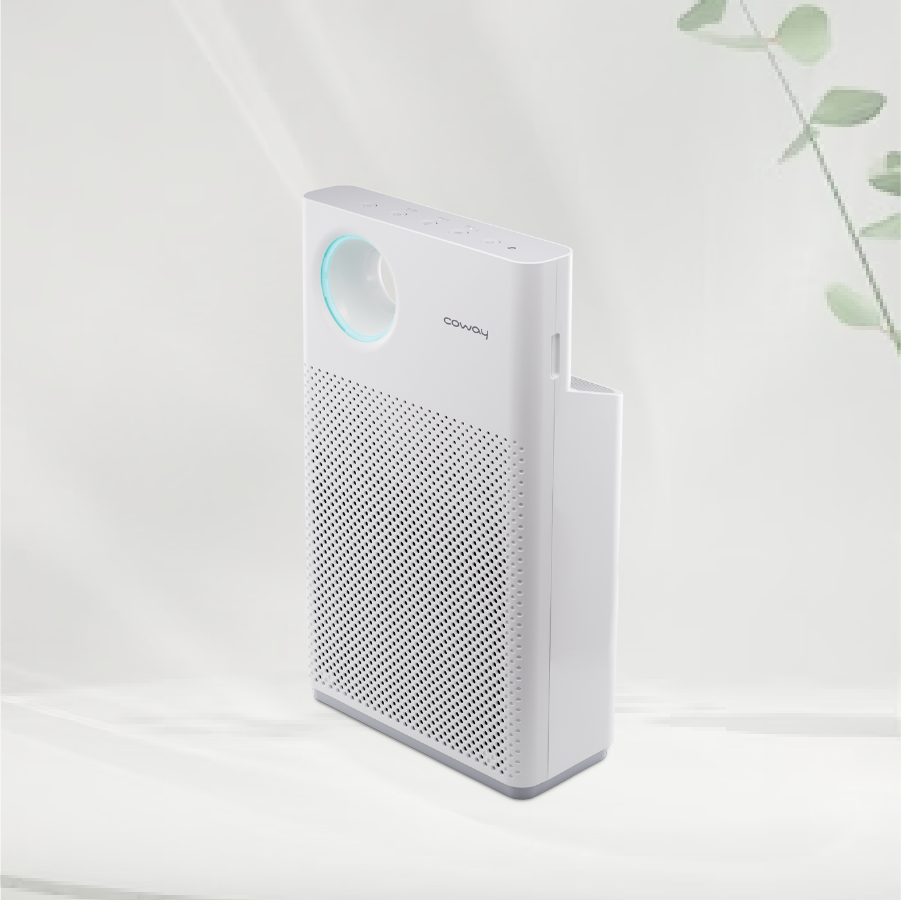
The concept of air purification isn’t new, but the technology has certainly come a long way. At its core, an air purifier functions much like a meticulous clean-up crew for your indoor atmosphere. It typically draws in room air using a fan, passes it through a series of specialized filters that trap various pollutants, and then releases purified air back into your space. Think of it as a constant, diligent effort to scrub the air, removing the unseen particles that can irritate your lungs, trigger allergies, or simply make your home feel less fresh. This continuous cycle ensures that even as new contaminants enter, your good air purifier is on guard, diligently working to maintain a pristine environment.
Beyond the Basics: Essential Filtration Technologies
When you’re looking for a good air purifier, the heart of its effectiveness lies in its filtration system. Not all filters are created equal, and understanding the core technologies is key to choosing a model that truly meets your needs.
True HEPA Filters: The Gold Standard for Particles
If there’s one term you should remember, it’s “True HEPA.” HEPA stands for High-Efficiency Particulate Air, and a True HEPA filter is designed to capture an astounding 99.97% of airborne particles as tiny as 0.3 microns. To put that into perspective, this includes a vast array of common irritants like dust, pollen, pet dander, mold spores, and even many bacteria and viruses. These microscopic particles are often the culprits behind seasonal allergies and asthma flare-ups. A good air purifier will almost always feature a True HEPA filter as its primary defense against particulate matter, providing a robust shield for your respiratory health.
Activated Carbon Filters: Tackling Odors and Gases
While HEPA filters excel at trapping solid particles, they don’t do much for gases and odors. That’s where activated carbon filters come into play. Made from highly porous carbon, these filters use a process called adsorption to trap gaseous pollutants, chemical fumes, and unpleasant smells. Whether it’s lingering cooking odors, pet smells, tobacco smoke, or invisible VOCs released from cleaning products, paints, and furniture, an activated carbon filter is essential for achieving truly fresh air. For a comprehensive clean, a good air purifier will combine a True HEPA filter with a substantial activated carbon filter.
Multi-Stage Filtration: The Power of Combination
The most effective air purifiers don’t rely on just one type of filter. Instead, they employ a multi-stage filtration system. This usually starts with a pre-filter to capture larger particles like hair and lint, extending the life of the more delicate HEPA filter. Then comes the True HEPA filter for microscopic particulates, followed by an activated carbon filter for gases and odors. Some systems may include additional layers, but this core trio forms the backbone of a truly good air purifier. While other technologies like UV-C light are sometimes included, their effectiveness in residential units and potential to produce ozone should be carefully considered; focus first on robust mechanical and adsorption filtration.
Sizing It Right: CADR and Room Coverage
Imagine trying to heat a ballroom with a small space heater – it wouldn’t work, right? The same principle applies to air purifiers. A good air purifier needs to be appropriately sized for the space it’s meant to clean. This is where the Clean Air Delivery Rate (CADR) comes in.
What is CADR?
CADR is a standard measurement developed by the Association of Home Appliance Manufacturers (AHAM) that indicates how quickly an air purifier removes three common pollutants: smoke, dust, and pollen. You’ll see three numbers listed, each corresponding to one of these pollutants. The higher the CADR number, the faster and more effectively the air purifier can clean the air in a given room. It’s a critical metric for gauging a good air purifier’s performance.
The “Two-Thirds Rule” for Room Sizing
A widely accepted guideline is that the CADR of your air purifier should be at least two-thirds of the room’s square footage. For example, for a room that is 150 square feet, you’d ideally want a CADR of at least 100 for your primary concern. If allergies are a major issue, consider a purifier with a higher CADR, especially for pollen and dust. While an oversized purifier might seem like overkill, it can actually be beneficial, allowing the unit to clean the air more quickly and efficiently, often running on quieter, lower settings for continuous operation. Conversely, an undersized unit will struggle to keep the air clean, wasting energy and providing little benefit.
Smart Features and User Experience: Making Life Easier
Beyond core purification power, a good air purifier also offers features that enhance convenience and integrate seamlessly into your daily life.
Quiet Operation: A Breath of Fresh Silence
Nobody wants an air purifier that sounds like a jet engine, especially if it’s in a bedroom or office. Many modern purifiers offer multiple fan speeds, including whisper-quiet settings for overnight use. Look for models with decibel (dB) ratings, aiming for anything below 50 dB for general living spaces and ideally below 35-40 dB for bedrooms. A good air purifier finds that sweet spot between powerful performance and unobtrusive operation.
Smart Connectivity: The Future of Clean Air
The “smart home” revolution has embraced air purifiers. Wi-Fi connectivity allows you to control your device from anywhere via a smartphone app. Many smart purifiers also include advanced air quality sensors that monitor pollutants like PM2.5 (fine particulate matter) and VOCs in real-time. This data is often displayed in the app, giving you tangible proof of your indoor air quality improvements. An auto mode, which automatically adjusts fan speed based on detected air quality, is another fantastic feature, ensuring optimal purification without constant manual adjustments. This intelligent approach makes maintaining clean air effortless with a good air purifier.
Filter Indicators & Easy Maintenance
Filters are the workhorses of an air purifier, and they need regular attention. A good air purifier will have a filter change indicator, taking the guesswork out of maintenance. Some models even feature washable or reusable pre-filters, which can help reduce recurring costs. However, True HEPA and activated carbon filters will eventually need replacement, and factor these costs into your overall budget. Proper maintenance is crucial; a clogged filter renders even the best air purifier ineffective.
The Clean Air Advantage: Benefits You Can Feel
Investing in a good air purifier isn’t just about statistics and technology; it’s about tangible improvements to your quality of life.
Reduce Allergy & Asthma Symptoms
For millions, indoor allergens like pollen, pet dander, dust mites, and mold spores are constant irritants. A good air purifier with a True HEPA filter can significantly reduce these airborne triggers, leading to fewer sneezes, less congestion, and a clearer respiratory pathway. People with asthma often report fewer attacks and easier breathing in homes with effective air purification.
Eliminate Odors
Nobody wants their home to smell like last night’s dinner or the family pet. An activated carbon filter within a good air purifier diligently captures and neutralizes these persistent odors, leaving your home smelling genuinely fresh, not just masked. This is particularly beneficial in kitchens, pet areas, and homes where smoking might occur.
Combat Indoor Pollutants
Our modern homes, while comfortable, can also trap a surprising array of pollutants. VOCs from new furniture, cleaning products, paints, and even personal care items can off-gas into your air. A good air purifier with robust carbon filtration can significantly reduce your exposure to these potentially harmful chemicals, contributing to a healthier living environment.
Support Overall Health & Well-being
Beyond specific conditions, consistently breathing clean air can have a profound impact on overall health. Improved sleep, increased energy levels, and a reduced risk of respiratory infections are all potential benefits. When your body isn’t constantly battling airborne irritants, it can focus its energy elsewhere, leading to a greater sense of well-being. A good air purifier creates a foundation for a healthier lifestyle.
Expert Insights from CleanAir Home
“At CleanAir Home, our mission is to empower healthier living through superior indoor air quality,” says Dr. Elara Vance, Lead Air Quality Scientist at CleanAir Home. “Many people underestimate the impact of the air they breathe indoors. A truly good air purifier isn’t just about removing particles; it’s about fostering an environment where every breath contributes to your vitality. It’s a cornerstone of a holistic approach to home wellness, allowing families to thrive.”
Navigating the Market: Common Questions Answered
When seeking a good air purifier, a few questions often arise:
- What CADR do I need for a 300 sq ft room?
For a 300 sq ft room, aim for a CADR of at least 200 (two-thirds of the room’s area). Higher is always better for faster purification, especially if you have significant concerns like heavy smoke or severe allergies. - Can an air purifier really help with pet allergies?
Absolutely. A good air purifier with a True HEPA filter is highly effective at capturing pet dander, a primary cause of pet allergies. Consistent use can significantly reduce allergen levels in your home. - How often should I replace filters?
Filter replacement schedules vary by model and usage. Pre-filters might need cleaning monthly, while HEPA filters typically last 6-12 months and activated carbon filters 3-6 months. Always follow the manufacturer’s recommendations for your specific good air purifier model. - Are all HEPA filters the same?
No. Always look for “True HEPA” filters, which meet the 99.97% capture rate for 0.3 micron particles. Some filters are marketed as “HEPA-type” or “HEPA-like” but may not meet the strict efficiency standards. - Do air purifiers consume a lot of electricity?
Modern air purifiers, especially ENERGY STAR certified models, are designed to be energy-efficient. While continuous operation is recommended for optimal results, the electrical consumption of a good air purifier is generally modest, especially on lower fan settings.
Investing in a Breath of Fresh Air
Choosing a good air purifier is a significant step towards creating a healthier, more comfortable living environment. It’s about understanding the science, prioritizing effective filtration, and selecting a unit that matches your space and lifestyle. From combating everyday dust and allergens to neutralizing stubborn odors and invisible pollutants, a quality air purifier works tirelessly to enhance your indoor air quality. Make the informed choice, invest in a good air purifier, and experience the refreshing difference every single day. Take the first step towards a home where every breath feels clean, pure, and invigorating.