Ever walked into your home and just felt the air? Maybe it’s that subtle, lingering pet odor, or perhaps you’ve been sneezing more than usual, blaming it on seasonal allergies. Whatever the reason, indoor air quality is a bigger deal than many of us realize, silently impacting our health and comfort every single day. The good news? Solutions are readily available, and a Home Depot Air Purifier might just be the breath of fresh air you’re seeking. From tackling irritating allergens to neutralizing stubborn odors, these clever devices can transform your living space.
Let’s dive into how these modern marvels work, what to look for when you’re shopping, and how to pick the perfect Home Depot air purifier to make your home a haven of clean air.
The Silent Guardians: How Air Purifiers Work
You know how your lungs naturally filter the air you breathe? Well, an air purifier does a similar job for your entire room. The basic principle is quite simple: it draws in airborne contaminants, passes them through a series of specialized filters, and then releases purified air back into your space. Think of it as your home’s personal air-cleaning SWAT team, constantly on patrol. Over the years, air purification technology has evolved dramatically, moving from simple fans with basic filters to sophisticated multi-stage systems that can capture microscopic particles.
Deciphering the Filters: Types You’ll Find at Home Depot
When browsing for a Home Depot air purifier, you’ll quickly discover that not all filters are created equal. Each type is designed to combat different air pollutants. Understanding these differences is key to choosing the right device for your specific needs.
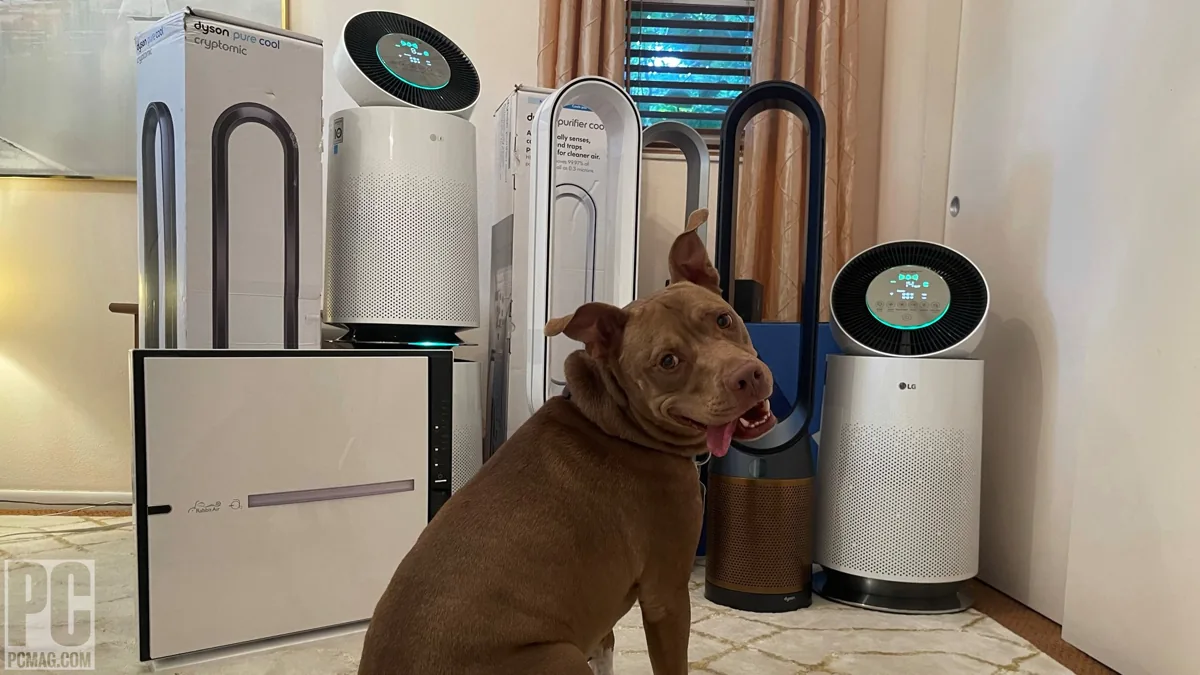
HEPA Air Purifiers: The Allergy Fighters
If allergens are your main concern, a HEPA (High-Efficiency Particulate Air) filter is your best friend. True HEPA filters are renowned for their ability to capture 99.97% of airborne particles as small as 0.3 microns. This includes common culprits like dust, pollen, pet dander, mold spores, and even some bacteria. Many allergy sufferers report a significant improvement in their symptoms after introducing a HEPA Home Depot air purifier into their homes. Just remember, these filters typically need replacing every 12 to 18 months, depending on usage and air quality, and are recommended by the Environmental Protection Agency (EPA) for their effectiveness without producing harmful ozone. Be wary of “HEPA-type” filters, which may not offer the same rigorous filtration standards.
Activated Carbon Filters: Tackling Odors and Gases
Ever wonder how to get rid of that stale cooking smell, pet odors, or even smoke? That’s where activated carbon filters shine. These filters are highly effective at absorbing gases, fumes, and unpleasant odors, thanks to their porous structure. While fantastic for smell-related issues, activated carbon filters aren’t designed to trap particulate matter like dust or pollen on their own. That’s why you’ll often find them paired with HEPA filters in a multi-stage Home Depot air purifier system, offering a comprehensive approach to air cleaning.
UV Air Purifiers: For the Microbe-Minded
For those particularly concerned about microscopic invaders like viruses, bacteria, and mold, UV (ultraviolet) light purifiers offer an additional layer of defense. These purifiers use UV-C light to destroy the DNA of microorganisms, effectively neutralizing them. However, it’s crucial to be aware that some UV purifiers can produce ozone, which is a lung irritant, especially for those with allergies or asthma. UV-C bulbs usually need annual replacement and periodic cleaning to maintain effectiveness.
Electrostatic and Ionic Air Purifiers: A Word of Caution
You might also encounter electrostatic or ionic air purifiers. Electrostatic models use charged plates to attract and trap particles, effective against some particulates and allergens, but they require regular cleaning of these plates and can produce ozone. Similarly, ionic air purifiers release charged ions that cause particles to clump and fall out of the air, making surfaces potentially dirty. They are often quieter as they don’t use fans but can also produce ozone, which is harmful to respiratory health. For this reason, HEPA filters are generally recommended over ionic purifiers. Always prioritize your respiratory health when choosing an air purification technology.
Smart Air Purifiers: Bringing Tech Home
Many modern air purifiers, including models available at Home Depot, now come with “smart” features. Imagine an air purifier that automatically adjusts its fan speed based on real-time air quality readings, or one you can control from your phone while you’re away. These smart devices often include sensors for volatile organic compounds (VOCs) and particulate matter, providing you with a clear picture of your indoor air quality.
Finding Your Perfect Match: A Buyer’s Guide to Home Depot Air Purifiers
Choosing the right Home Depot air purifier can feel a bit like Goldilocks searching for the perfect bed – it needs to be just right for your home. Here’s what to consider:
What Room Size Needs What Power?
This is perhaps the most critical factor. An air purifier that’s too small for your room won’t be effective. You need to measure your room’s square footage and then look for a device with an appropriate Clean Air Delivery Rate (CADR). CADR indicates how many cubic feet of clean air the purifier delivers per minute. The higher the CADR, the larger the room it can effectively clean. For instance, a unit with a CADR of 200 is generally suitable for a 200 sq. ft. room. Don’t fall into the trap of using a small unit in a large open-plan area; it simply won’t keep up.
Focus Your Fight: What Pollutants Are You Battling?
Are you a pet owner fighting dander and odors? Do seasonal allergies plague your family? Is your home near a busy road, leading to concerns about outdoor pollutants sneaking in? Your primary concern will dictate the filter type you need. For allergens, prioritize True HEPA. For odors, ensure activated carbon is present. If you’re looking for an all-rounder, a multi-stage filtration system combining HEPA and activated carbon is usually the best bet.
Features That Make Life Easier
Modern air purifiers offer a host of features to enhance your experience:
- Multispeed Fan: Allows you to adjust purification intensity and noise levels.
- Quiet Operation: Essential for bedrooms or living areas where peace is paramount. Many units have a “sleep mode” for ultra-quiet performance.
- Automatic Timer: Set it and forget it, ideal for energy saving and ensuring clean air when you need it most.
- Filter Change Indicator Light: No more guessing games – the unit tells you when it’s time for a new filter.
- Energy Star Certification: Look for this label to ensure your Home Depot air purifier is energy-efficient, saving you money on electricity bills.
Beyond the Sticker Price: Understanding Maintenance Costs
While the initial purchase of an air purifier is an investment, remember the ongoing cost of filter replacements. True HEPA and activated carbon filters need to be changed regularly, and these costs can add up. Factor this into your budget. Some brands offer longer-lasting filters, which might justify a higher upfront cost.
Maximizing Your Air Purifier’s Potential
Once you’ve brought your new Home Depot air purifier home, a few simple practices will ensure it performs at its best. First, always keep doors and windows closed when your air purifier is running to prevent new pollutants from entering and diluting the cleaned air. Second, many purifiers include a pre-filter designed to capture larger particles like pet hair and lint before they reach the main filters. Regularly cleaning or replacing this pre-filter can significantly extend the life of your more expensive HEPA and carbon filters. Finally, always follow the manufacturer’s instructions for filter replacement and cleaning schedules. A neglected filter is an ineffective filter. Proper placement is also key; ensure the unit isn’t obstructed and can draw air in freely.
The Breath of Fresh Air: Health Benefits and Quality of Life
The impact of clean indoor air extends far beyond just “smelling fresh.” For many, it’s a game-changer. Reduced exposure to allergens can lead to fewer sneezing fits, itchy eyes, and less reliance on allergy medication. Asthma sufferers often find breathing easier in purified environments. Beyond specific conditions, cleaner air can contribute to better sleep quality, as your body isn’t working overtime to combat airborne irritants. Ultimately, a Home Depot air purifier offers peace of mind, knowing you’re actively creating a healthier living space for yourself and your loved ones.
Expert Insight: What the Pros Say
“People often underestimate the cumulative effect of indoor air pollution,” says Dr. Eleanor Vance, a leading Environmental Health Specialist. “Even seemingly small particles can irritate our respiratory systems over time. Investing in a quality air purifier, especially one with True HEPA and activated carbon filtration, is a proactive step towards long-term respiratory wellness. It’s about making your home a sanctuary from the unseen threats floating in the air.”
Common Myths and Misconceptions
Let’s clear up a few common misunderstandings about air purifiers:
- “All air purifiers are the same.” Not true! As we’ve seen, filtration technologies vary greatly, and what works for pet dander might not be ideal for chemical odors. Always check the filter types and CADR for your specific needs.
- “Once I buy it, I never have to do anything.” Filters need maintenance! Neglecting to clean or replace filters regularly will drastically reduce the purifier’s effectiveness and can even push old pollutants back into the air.
- “An air purifier will solve all my air quality problems.” While highly effective, an air purifier is part of a larger strategy. Good ventilation, regular cleaning, and addressing sources of pollution (like excessive moisture leading to mold) are still crucial for truly healthy indoor air.
Conclusion
Bringing a Home Depot air purifier into your home isn’t just about buying an appliance; it’s about investing in a healthier, more comfortable living environment. By understanding the different filtration technologies, considering your room size and specific air quality concerns, and paying attention to essential features and maintenance, you can confidently choose the perfect unit. Stop letting invisible pollutants dictate how you feel. Take control of your indoor air quality and enjoy the tangible benefits of cleaner, fresher air every single day. Visit Home Depot’s wide selection and start breathing easier tonight.