Ever feel like your home’s air is fighting a two-front war? On one side, invisible pollutants like dust, allergens, and odors lurk. On the other, parched air can leave your skin dry and sinuses irritated. It’s a common dilemma, but what if there was one solution designed to tackle both challenges simultaneously? Enter the Humidifier Air Purifier – a clever combination device that’s rapidly becoming a cornerstone of modern home wellness. These all-in-one units aim to clean your air while maintaining optimal humidity, creating a truly comfortable and healthy indoor environment.
Understanding Your Air: The Dual Threat of Pollutants and Dryness
Before we dive into the wonders of combined units, let’s understand the individual roles these two essential appliances play in your home.
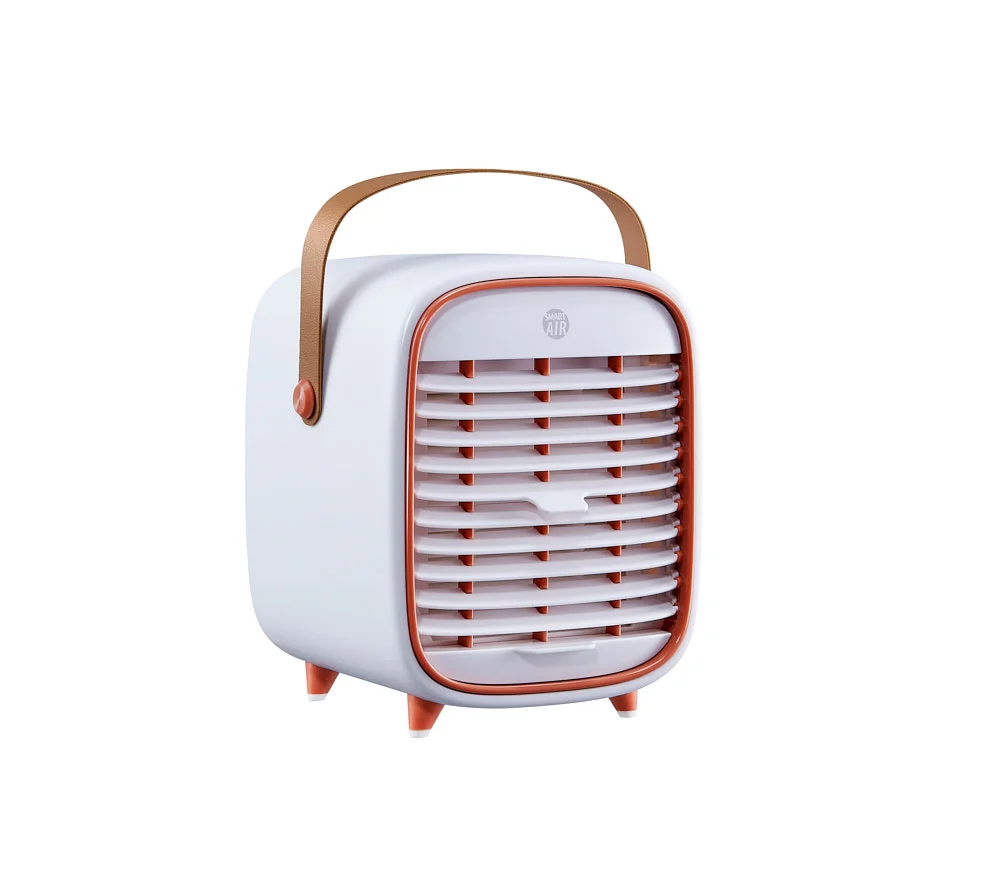
What Exactly Does an Air Purifier Do?
At its core, an air purifier is your home’s unseen bodyguard against airborne invaders. For decades, these devices have been designed to draw in ambient air, pass it through a series of specialized filters, and then release cleaner, fresher air back into your space. It’s like giving your home a lung-cleaning makeover.
The magic largely happens through sophisticated filtration technologies. Most effective purifiers utilize a True HEPA filter, capable of capturing an astounding 99.97% of airborne particles as tiny as 0.3 microns. Think pollen, pet dander, dust mites, and even some bacteria and viruses. Beyond physical particles, many units also feature an activated carbon filter, a superhero when it comes to absorbing gases, volatile organic compounds (VOCs) from cleaning products or furniture, and common household odors from cooking or pets. The result? A noticeable reduction in allergy triggers, a fresher scent, and a general improvement in respiratory comfort.
Why a Humidifier is Your Ally Against Dry Air
While an air purifier cleans, a humidifier nurtures. Its primary function is to introduce moisture into the air, counteracting the dryness often caused by heating systems in winter or air conditioning in summer. If you’ve ever woken up with a scratchy throat, noticed static electricity zapping everything, or found your skin feeling tight and flaky, dry air is likely the culprit.
Humidifiers work in various ways. Cool mist humidifiers are popular, often using ultrasonic vibrations or an internal fan to disperse fine water droplets. Evaporative humidifiers use a fan to blow air through a moistened wick, naturally releasing invisible moisture. There are also warm mist humidifiers that boil water to release steam, often perceived as soothing. Regardless of the method, the goal is to maintain an ideal indoor relative humidity, typically between 40-60%. Keeping the air within this sweet spot can alleviate dry skin, soothe irritated nasal passages and throats, reduce static, and even help preserve wooden furniture that might otherwise crack in overly dry conditions.
“Many people overlook the hidden stresses dry air places on our bodies and homes,” explains Sarah Chen, a respected home wellness consultant. “From aggravating allergies to damaging electronics, balanced humidity is as crucial as clean air for true indoor comfort.”
The Rise of the 2-in-1: Why Combine a Humidifier Air Purifier?
The idea of tackling both air purification and humidification with a single device is gaining immense traction. In fact, recent market data indicates that over 60% of consumers are now actively seeking out these combined units. It’s not just a trend; it’s a smart evolution in how we manage our indoor environments.
Space-Saving Solutions for Modern Homes
Let’s be honest, our homes often feel like a juggling act of appliances. Two separate units—an air purifier here, a humidifier there—can take up valuable floor or counter space. A combined humidifier air purifier offers the undeniable benefit of consolidating two essential functions into one sleek footprint. It’s less clutter, fewer power cords, and a more harmonious aesthetic, especially beneficial for smaller apartments, bedrooms, or dedicated home office spaces.
Streamlined Operation and Maintenance
With a single unit, you’re managing one power switch, one set of controls, and often a more integrated maintenance schedule. Many advanced combo devices feature smart sensors that monitor both air quality and humidity levels, automatically adjusting purification and humidification as needed. This “set it and forget it” convenience simplifies your routine, allowing you to focus on enjoying truly optimized air.
A Holistic Approach to Indoor Wellness
The synergistic benefits of purifying and humidifying simultaneously can be profound. For individuals suffering from allergies or asthma, dry air can exacerbate symptoms, making nasal passages more sensitive and prone to irritation. By cleaning the air of irritants while simultaneously adding soothing moisture, a humidifier air purifier can offer comprehensive relief, promoting better respiratory health and more restful sleep. It’s about creating an environment where your body can thrive.
Are There Any Downsides to an All-in-One Humidifier Air Purifier?
While the convenience is undeniable, it’s important to approach a combined unit with realistic expectations. Some critics argue that specialized standalone units might offer superior performance for each individual function. This can sometimes be true, particularly for very large spaces or extreme conditions that require maximum power from either a purifier or a humidifier.
The most significant consideration for any combined unit, especially those with water tanks, is diligent maintenance. As Dr. Elena Petrova, a certified indoor air quality specialist, cautions, “The humidifying component, if not cleaned regularly, can become a breeding ground for mold and bacteria, which would counteract the benefits of air purification.” Proper cleaning of water reservoirs and timely replacement of both air filters and any water filters or wicks are crucial to ensure your device remains a source of clean, healthy air, not a contributor to new problems. Additionally, using distilled water in the humidifier section can prevent “white dust,” mineral deposits that can be released into the air from tap water.
Choosing Your Perfect Humidifier Air Purifier Combo: What to Look For
Selecting the right humidifier air purifier involves a bit of homework to match the device to your specific needs.
Filtration Finesse: HEPA and Beyond
Prioritize units with a True HEPA filter for comprehensive particle removal. Look for mentions of activated carbon filters if odors, smoke, or VOCs are a concern. Some advanced models also incorporate additional purification stages like UV-C light for bacteria and virus elimination or ionizers (though ensure they don’t produce ozone).
Humidification Methods: Mist or Mist-Free?
Consider the type of humidification. Evaporative humidifiers, often marketed as “mist-free” or using “nano cold evaporative humidification,” are frequently preferred in combo units. They avoid releasing visible mist, which can sometimes lead to wet surfaces or furniture, and significantly reduce the likelihood of mineral “white dust.” Ultrasonic models are generally quieter but can produce visible mist and potentially white dust if not using distilled water.
Room Size Matters: CADR and Coverage
Check the device’s stated room coverage, often measured in square feet, and its CADR (Clean Air Delivery Rate) for purification. A higher CADR indicates faster air cleaning. Ensure the unit is appropriately sized for the room you intend to use it in. A unit designed for a small bedroom won’t be effective in a large open-plan living area.
Smart Features for Effortless Control
Modern humidifier air purifiers often come packed with smart features. Look for:
- Automatic mode: Adjusts fan speed and humidity based on real-time sensor readings.
- Humidity sensor/hygrometer: Displays current humidity levels and allows you to set target humidity.
- Timers: For scheduled operation.
- App control & Wi-Fi connectivity: Remote monitoring and control for ultimate convenience.
- Quiet operation: Especially important for bedrooms or nurseries.
Maintenance Matters: Cleaning and Filter Replacement
Research the maintenance requirements. How easy is it to access and clean the water tank? How often do filters need replacing, and what is their cost? Some units feature UV light for water sanitization, which can reduce the frequency of deep cleaning, but regular attention to the water reservoir is still paramount. Remember, using distilled water can significantly extend the life of your unit and reduce the risk of mineral buildup.
Maximizing the Benefits of Your Humidifier Air Purifier
Once you’ve chosen your ideal unit, a few simple practices can ensure you get the most out of your investment.
Optimal Placement for Peak Performance
Place your humidifier air purifier in a central location within the room, away from walls, furniture, or curtains that could obstruct airflow. Avoid corners or directly underneath vents. For optimal humidification, keep it on a flat, stable surface where moisture can disperse evenly.
Seasonal Adjustments: When and How to Use
The beauty of a combo unit is its adaptability. During dry winter months, you’ll likely run both functions consistently. In warmer, more humid seasons, you might primarily use the air purification feature, perhaps only engaging the humidifier when the air conditioning makes the indoor air feel dry. Many smart units will automatically adjust, but understanding your home’s seasonal needs will help you fine-tune settings.
Debunking Common Myths About Air Treatment Devices
- Myth: An air purifier dries out the air. Fact: Air purifiers primarily filter particles and gases; they do not significantly impact humidity levels on their own.
- Myth: You can just use essential oils in your humidifier for fragrance. Fact: Unless specifically designed for it, adding essential oils to your humidifier’s water tank can damage the unit and potentially release harmful compounds into the air. Use diffusers separately or select a combo unit with a dedicated aroma tray.
Real-World Impact: How a Humidifier Air Purifier Transforms Your Home
The true value of a humidifier air purifier extends far beyond mere convenience; it’s about fostering a healthier, more comfortable living space. Imagine waking up with clear sinuses, skin that feels naturally hydrated, and a home that consistently smells fresh. For allergy sufferers, the reduction of airborne triggers combined with soothing moisture can mean fewer sniffles, less congestion, and better sleep. For those with respiratory sensitivities like asthma, breathing cleaner, properly humidified air can ease discomfort and promote lung health.
Beyond personal well-being, these devices protect your home itself. Adequate humidity prevents wooden furniture, floors, and even musical instruments from drying out and cracking. It also minimizes static electricity, which can be annoying and potentially harmful to sensitive electronics. A combined unit is an investment in both your family’s health and the longevity of your home’s interior.
Frequently Asked Questions About Humidifier Air Purifiers
Q: Can a humidifier air purifier really do both jobs well?
A: Absolutely! While some purists argue for separate units, modern humidifier air purifiers are engineered with advanced technology to perform both purification (e.g., with HEPA filters) and humidification effectively. Many users find the convenience and space-saving benefits invaluable without compromising performance for typical household needs.
Q: How often do I need to clean and maintain a combo unit?
A: Regular maintenance is key. The humidifier’s water tank and components should ideally be cleaned weekly to prevent mold and bacteria growth. Air filters typically need replacement every 6-12 months, depending on usage and air quality, while humidifier wicks or water filters might need changing every 1-3 months. Always follow the manufacturer’s specific guidelines.
Q: Is “white dust” a concern with these devices?
A: White dust, caused by minerals in tap water, is primarily a concern with ultrasonic humidifiers. Many modern humidifier air purifiers, especially those utilizing evaporative or “mist-free” humidification, are designed to minimize or eliminate this issue. Using distilled water is the most effective way to prevent white dust, regardless of the humidifier type.
Q: What’s the ideal humidity level to maintain indoors?
A: Experts generally recommend maintaining an indoor relative humidity level between 40% and 60%. However, it’s often advised to keep it below 50-55% to discourage the growth of mold, dust mites, and mildew. Many devices feature a built-in humidistat to help you monitor and control this.
Q: Are 2-in-1 units more energy efficient than two separate appliances?
A: Often, yes. Integrated units can be designed with shared components (like fans and motors) and optimized power management algorithms, leading to more efficient overall energy consumption compared to running two separate devices. This consolidated design can result in energy savings over time.
A Breath of Fresh, Balanced Air Awaits
The environment inside your home profoundly impacts your health, comfort, and well-being. A humidifier air purifier represents a smart, integrated solution to achieve optimal indoor air quality. By diligently working to remove pollutants and balance humidity, these innovative devices offer a clear path to breathing easier and living healthier. If you’re ready to transform your indoor air experience, exploring the benefits of a combined unit is a clear next step towards a fresher, more comfortable home.