Ever walk into a spacious living room, an open-plan kitchen, or a bustling home office and feel like the air is just… heavy? You might be tidying up regularly, but those invisible villains – dust, pollen, pet dander, cooking odors, and even microscopic pollutants – are constantly circulating. For these expansive areas, a standard air purifier simply won’t cut it. What you truly need is a dedicated Large Air Purifier, a powerhouse designed to tackle the unique challenges of bigger spaces and transform your indoor air quality.
Think of it this way: you wouldn’t use a tiny teacup to bail out a flooded basement, right? The same logic applies to air purification. Large rooms have a much greater volume of air, meaning more space for contaminants to hide and fewer chances for a small unit to effectively capture them all. This isn’t just about comfort; it’s about creating a genuinely healthier environment for you and your loved ones.
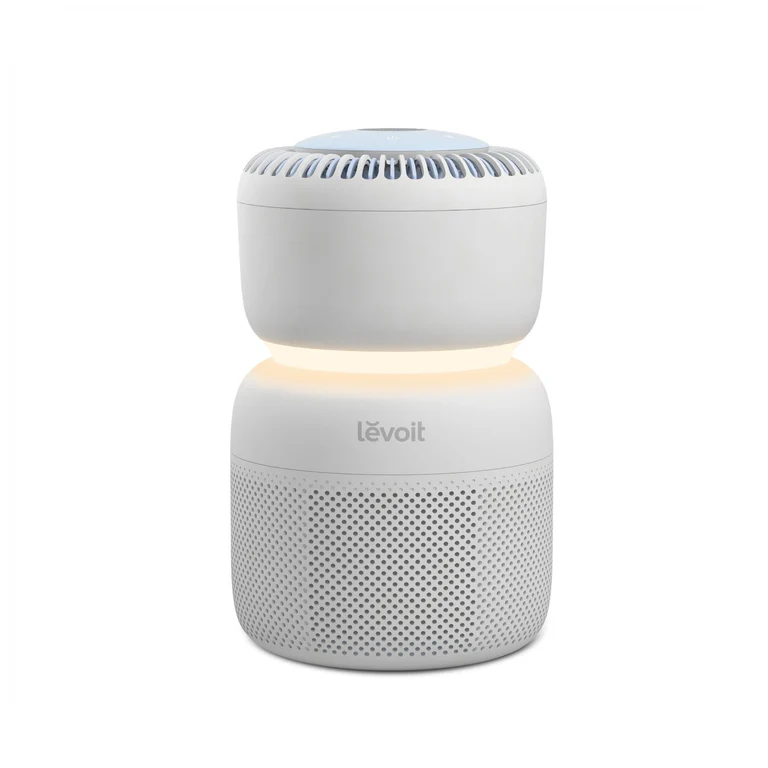
Why Your Big Space Demands a Powerful Air Purifier
Large rooms, whether it’s an open-concept living area, a finished basement, or a multi-purpose family room, present distinct challenges for maintaining clean air. The sheer cubic footage means pollutants can dilute but also spread far and wide, often lingering for hours. A small air purifier will work overtime, trying to catch up, but ultimately fall short, leaving stagnant zones and lingering contaminants.
A large air purifier is engineered to overcome these hurdles, offering:
Faster and More Even Air Cleaning
Unlike smaller units that might only purify the air directly around them, a powerful large air purifier actively circulates and filters air from every corner. It ensures that fresh, clean air reaches across your entire space, preventing those “stale air” pockets where pollutants tend to accumulate.
Ideal for Open-Plan Homes and Basements
Modern homes often feature open layouts where kitchens flow into dining areas and living rooms. This means cooking fumes, pet dander, and general dust can travel unhindered. A high-capacity large air purifier is perfectly suited to manage these interconnected spaces, continuously cleaning the air as it moves. Basements, often prone to mustiness and mold spores, also benefit immensely from the robust filtration of a large unit.
Better for Allergies, Asthma, and Respiratory Health
If anyone in your household suffers from allergies or asthma, a large air purifier is a game-changer. It effectively traps microscopic irritants like pollen, dust mites, pet dander, and mold spores that thrive in larger volumes of air. By significantly reducing these triggers, it can lead to fewer symptoms and easier breathing.
Effective Odor Control
Lingering odors from cooking, pets, or even new furniture (Volatile Organic Compounds or VOCs) can be particularly stubborn in spacious areas. Many large air purifiers come equipped with activated carbon filters specifically designed to absorb these gases and smells, leaving your home smelling fresh and inviting.
What Makes an Air Purifier Truly “Large Room Ready”?
Choosing the right large air purifier means understanding a few key metrics and technologies. It’s not just about physical size, but about the unit’s ability to process a significant volume of air efficiently.
Clean Air Delivery Rate (CADR)
What is CADR?
CADR stands for Clean Air Delivery Rate, and it’s perhaps the most critical metric for any air purifier. It measures how quickly an air purifier removes specific pollutants—smoke, dust, and pollen—from the air in a room. The higher the CADR number, the faster and more efficient the air purifier is at cleaning the air.
Why is CADR important for a large air purifier?
For large rooms, you need a high CADR to ensure the purifier can keep up with the vast air volume. A general rule of thumb is to look for a purifier with a CADR that is at least two-thirds of your room’s square footage. For example, a 300 sq ft room would ideally need a CADR of at least 200.
Air Changes Per Hour (ACH)
What does ACH mean?
ACH, or Air Changes Per Hour, tells you how many times the entire volume of air in a room is filtered by the air purifier within one hour. A higher ACH indicates more frequent air purification.
What’s a good ACH for a large air purifier?
For general household use, an ACH of at least four is recommended, meaning the air is completely filtered every 15 minutes. However, if you or a family member has allergies, asthma, or if you live in an area with poor outdoor air quality, targeting an ACH of five or higher is highly advisable for a large air purifier.
Room Coverage (Square Footage)
How do I calculate room coverage?
Always check the manufacturer’s specified room coverage in square feet. To determine your room’s needs, simply multiply its length by its width. If your ceiling is higher than average, remember that the purifier will need to clean a greater volume of air, so consider choosing a model rated for an even larger area.
The Power of the Fan and Motor
A large air purifier isn’t just about filters; it’s about the engine driving the whole operation. A robust fan and motor system are non-negotiable. These powerful components generate high cubic feet per minute (CFM) airflow, creating a “vacuum effect” that pulls air from greater distances. Without this strong suction working in tandem with efficient air output, even the best filters can’t effectively handle the vast volume of a large space.
Essential Filtration Technologies for Your Large Air Purifier
The heart of any effective air purifier lies in its filtration system. For a large air purifier, a multi-stage approach is crucial to capture a wide array of pollutants.
True HEPA Filters
True HEPA filters are the gold standard for particulate removal. They are designed to capture at least 99.97% of airborne particles as tiny as 0.3 microns. This includes common allergens like pollen, dust, pet dander, mold spores, and even some bacteria and viruses. When considering a large air purifier, always look for “True HEPA,” as “HEPA-type” or “HEPA-like” filters may not offer the same level of efficiency.
Activated Carbon Filters
While HEPA filters excel at trapping particles, they don’t do much for odors and gases. That’s where activated carbon comes in. These highly porous filters absorb harmful volatile organic compounds (VOCs) from sources like cleaning products, paints, and new furniture, as well as common household odors from cooking, pets, and smoke. For a truly fresh-smelling large room, an activated carbon filter is an absolute must-have in your large air purifier.
Pre-filters
A good large air purifier will also include a pre-filter. This initial layer captures larger particles like pet hair, lint, and bigger dust bunnies, protecting the more delicate HEPA filter and extending its lifespan. Many pre-filters are washable, offering an easy way to maintain performance.
Smart Features and Practical Considerations
Beyond core performance, modern large air purifiers offer features that enhance convenience and user experience.
Smart Sensors and Auto Mode
Many advanced models come with air quality sensors (often displaying PM2.5 levels) that detect pollutants in real-time. In auto mode, your large air purifier will automatically adjust its fan speed based on the detected air quality, ensuring efficient purification without constant manual intervention.
Noise Level
A powerful large air purifier doesn’t have to be a noisy one. Look for models with decibel (dB) ratings, especially if you plan to use it in a living room, bedroom, or office where quiet operation is important. Many units offer “sleep modes” that run at whisper-quiet levels.
Energy Efficiency
Running a large air purifier around the clock can impact your electricity bill. Look for Energy Star certified models, which are designed to consume less power. Also, factor in the cost and frequency of replacement filters, as these contribute to the long-term running costs.
Placement Matters
For optimal performance, place your large air purifier in a central location within the room, or at least in an area where its airflow won’t be blocked by furniture or walls. Slightly elevating the unit can also help improve air circulation.
Debunking Common Myths About Large Air Purifiers
Despite their proven benefits, air purifiers, especially larger models, are often subject to misconceptions. Let’s clear the air on a few:
“Large air purifiers are loud and disruptive.”
Myth Busted: While older models might have been noisy, modern large air purifiers are designed with advanced motor technology to operate quietly, even at higher fan speeds. Many feature dedicated “sleep modes” for near-silent operation.
“They only remove dust and allergens.”
Myth Busted: While excellent at capturing dust and allergens with their HEPA filters, many large air purifiers also include activated carbon filters that effectively remove odors, gases, VOCs, smoke, and even some airborne bacteria and viruses.
“All air purifiers are created equal.”
Myth Busted: This couldn’t be further from the truth. Air purifiers vary significantly in their capacity, filtration technology, CADR, ACH, and overall effectiveness. A small unit designed for a bedroom will not perform adequately in an expansive living area. This is why investing in a specialized large air purifier is crucial for bigger spaces.
“Ozone is always an issue with air purifiers.”
Myth Busted: This concern primarily applies to older ionizing purifiers. Most modern large air purifiers use mechanical filtration (HEPA and activated carbon) and are certified ozone-free, or produce negligible amounts well within safety standards. If you’re concerned, look for certifications that confirm low or no ozone emission.
As Dr. Evelyn Reed, a leading environmental health specialist at CleanAir Home, often advises, “A large air purifier isn’t just a gadget; it’s a foundational component of a healthy indoor ecosystem for any spacious home. It actively defends against invisible threats, allowing families to truly thrive.”
How to Choose Your Perfect Large Air Purifier: A Checklist
Ready to bring cleaner air to your big space? Here’s a quick checklist:
- Measure Your Room: Calculate the square footage (length x width) and consider ceiling height.
- Identify Your Main Concerns: Are you battling pet odors, seasonal allergies, cooking fumes, or general dust? This helps prioritize filter types.
- Check CADR and ACH: Ensure these ratings match or exceed your room’s requirements for effective and fast purification.
- Look for True HEPA + Activated Carbon: This combination offers comprehensive protection.
- Consider Noise Levels: Read reviews and check decibel ratings, especially if placing it in a high-traffic or quiet zone.
- Evaluate Energy Efficiency: Look for Energy Star certification and factor in filter replacement costs.
- Smart Features for Convenience: Decide if auto mode, app control, or air quality displays are important to you.
Frequently Asked Questions (FAQ)
Q: How many air purifiers do I need for a large open-plan space?
A: For very large or open-plan spaces, a single powerful large air purifier designed for that square footage is usually sufficient. However, for exceptionally complex layouts or multiple adjoining rooms, strategically placing two moderately sized large purifiers might provide more even coverage.
Q: Can a large air purifier really help with pet odors and dander?
A: Absolutely! Large air purifiers specifically designed with robust True HEPA filters capture pet dander, while high-quality activated carbon filters are highly effective at absorbing pet odors, leaving your home smelling fresher.
Q: How often should I change the filters in my large air purifier?
A: Filter replacement frequency varies by model and usage, but generally, True HEPA filters should be replaced every 6-12 months, and activated carbon filters every 3-6 months. Always refer to your large air purifier’s user manual for specific recommendations.
Q: Are large air purifiers expensive to run?
A: While they require electricity and filter replacements, many modern large air purifiers are designed to be energy-efficient, especially those with Energy Star certification. Running costs are often minimal, making the investment in clean air a worthwhile one for your health and comfort.
Q: Where is the best place to position a large air purifier?
A: The most effective placement for a large air purifier is usually in the center of the room, or at least in an open area away from walls and furniture that could obstruct airflow. This allows the unit to draw in and distribute purified air most efficiently across the entire space.
Q: Do large air purifiers remove viruses and bacteria?
A: Many large air purifiers equipped with True HEPA filters can capture airborne particles as small as 0.3 microns, including some viruses and bacteria. Some advanced models also incorporate UV-C light or other technologies for enhanced pathogen inactivation.
Q: Can I run my large air purifier with windows open?
A: Yes, you can. While an open window might introduce some outdoor pollutants, your large air purifier will still work to clean the indoor air. In highly polluted urban areas, it might work a bit harder, but it will continue to filter contaminants.
Breathe Easier, Live Better
Investing in a large air purifier for your home isn’t just about buying an appliance; it’s about investing in your family’s health and well-being. From neutralizing pet odors and reducing allergy triggers to protecting against invisible airborne pollutants, a powerful air purifier transforms your spacious indoor environments into zones of fresh, breathable air. So go ahead, measure your space, consider your needs, and take that step towards a cleaner, healthier home. Your lungs will thank you!