We adore our furry, feathered, and scaled companions, showering them with love and treats. Yet, with all that affection comes an often-unseen challenge: maintaining pristine indoor air quality. That distinctive “pet smell,” along with the unseen pet dander and allergens, can transform your cozy home into an allergy hotspot. This is where a Pet Air Purifier steps in, acting as your silent guardian against airborne pollutants and ensuring a fresher, healthier living space for both you and your beloved animals.
Why Your Home Needs a Pet Air Purifier: Beyond Just Fresh Air
Living with pets enriches our lives immensely, but it also introduces unique considerations for our indoor environment. The air in a pet-friendly home is often a cocktail of dander, hair, and various odors, impacting comfort and health. A dedicated pet air purifier isn’t just a luxury; it’s a vital tool for a truly harmonious home.
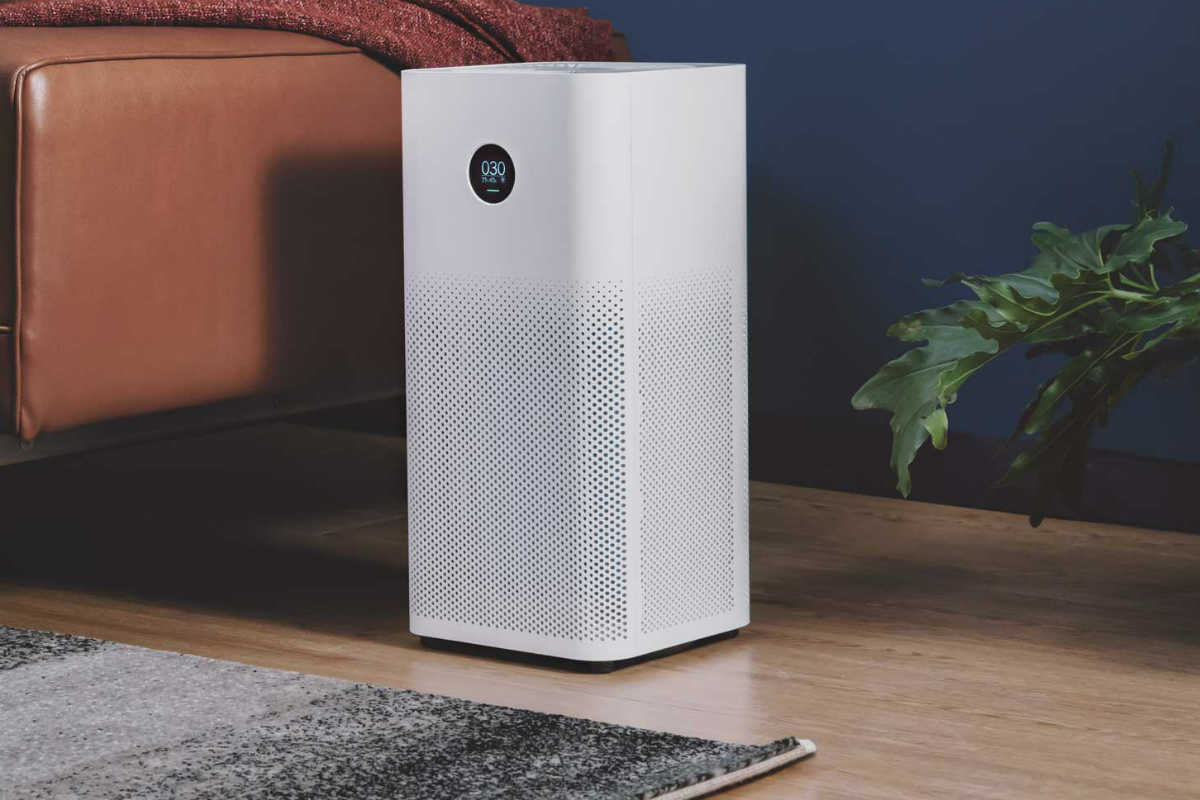
The Invisible Battle: Understanding Pet Dander and Allergens
Pet dander consists of microscopic flakes of skin that animals shed, far smaller than you might imagine. Unlike pet hair, which you can easily spot on furniture, dander particles are often invisible to the naked eye, measuring just 2.5 to 10 microns, and can remain suspended in the air for hours or even days [cite: 2 (Air Oasis)]. These tiny particles carry proteins from a pet’s saliva, urine, and skin glands, which are the primary triggers for allergic reactions in sensitive individuals [cite: 2 (Air Oasis)]. For millions, this means constant sneezing, itchy eyes, and respiratory discomfort. A high-quality pet air purifier actively removes these allergens from circulation, offering significant relief and preventing their accumulation throughout your home. [cite: 3 (Good Housekeeping)]
Banishing the Odor: Tackling Persistent Pet Smells
Let’s be honest, every pet owner knows that certain “aroma” that can cling to carpets, upholstery, and even the air itself. Whether it’s the lingering scent of a wet dog, a cat’s litter box, or just general pet odor, these smells can quickly become overwhelming. An effective pet air purifier doesn’t just mask these odors; it captures the volatile organic compounds (VOCs) that cause them, leaving your home smelling genuinely fresh and clean. [cite: 3 (Uahpet)]
A Breath of Fresh Air for Everyone (Humans and Paws)
Beyond allergies and odors, a pet air purifier contributes to overall superior indoor air quality. By continually cycling and cleaning the air, these devices remove a range of other pollutants like dust, pollen, and mold spores that can also affect health. A cleaner breathing environment can lead to better sleep for both humans and pets, reducing discomfort and promoting general well-being. [cite: 5 (Air Oasis)]
How Pet Air Purifiers Work Their Magic: Filtration Explained
At the heart of every effective pet air purifier lies a sophisticated filtration system designed to tackle the unique challenges of a pet-filled home. Understanding these components will help you choose the right device for your needs.
The Power Trio: Pre-filter, HEPA, and Activated Carbon
Most top-tier pet air purifiers employ a multi-stage filtration process, typically featuring three key layers:
- Pre-filter: This is your first line of defense, a washable mesh filter that snags larger particles like pet hair, lint, and significant dust clumps before they reach the finer filters [cite: 2 (Air Oasis), 4 (Uahpet)]. This not only helps maintain overall cleanliness but also extends the lifespan of the more delicate filters.
- True HEPA Filter: The workhorse for allergens, a True HEPA (High-Efficiency Particulate Air) filter is designed to capture 99.97% of airborne particles as small as 0.3 microns [cite: 1 (Dyson), 4 (Uahpet)]. This includes virtually all pet dander, pollen, dust mites, and other microscopic irritants. Many advanced filters can even capture particles as small as 0.1 microns, offering superior allergen removal. [cite: 3 (Uahpet)]
- Activated Carbon Filter: This specialized filter is crucial for odor control. It’s packed with porous activated carbon that adsorbs and neutralizes various gases and VOCs, including those responsible for pet smells, cooking odors, and even smoke [cite: 2 (Air Oasis), 4 (Uahpet)]. This means true odor elimination, not just masking.
Beyond the Basics: Advanced Technologies
Some pet air purifiers integrate additional technologies to further enhance air purification:
- UV-C Light Sterilization: Certain models feature UV-C lamps that can neutralize airborne bacteria, viruses, and mold spores, adding an extra layer of protection against pathogens, especially beneficial in multi-pet households. [cite: 4 (Uahpet)]
- Ionizers (Bipolar Ionization): This technology releases charged particles that cause smaller airborne allergens, like dander, to clump together. These larger clusters then fall out of the air or become easier for the filters to capture, potentially extending purification beyond the immediate vicinity of the device. [cite: 2 (Air Oasis)]
Finding Your Perfect Match: Key Features of a Pet Air Purifier
Choosing the right pet air purifier requires a bit of homework. Consider these features to ensure the device perfectly aligns with your home and lifestyle.
Room Coverage and CADR: Sizing Up Your Needs
One of the most critical factors is matching the purifier’s capacity to your room size. Look for the CADR (Clean Air Delivery Rate), which measures how quickly the purifier can clean a room of smoke, pollen, and dust [cite: 4 (Uahpet)]. A higher CADR means faster and more effective air cleaning. Most purifiers specify a recommended room size in square feet or meters; ensure this matches the area where you intend to use it. It’s often better to slightly overestimate your room size to ensure optimal performance, especially in homes with multiple pets.
Noise Level: Keep the Peace
Nobody wants a noisy appliance constantly whirring in the background, especially in bedrooms or living areas. Check the decibel (dB) rating; many effective pet air purifiers operate quietly, often between 35-50 decibels at lower settings, which is comparable to a soft whisper or normal conversation [cite: 4 (Uahpet)]. Some even feature a “sleep mode” for ultra-quiet operation at night.
Filter Maintenance and Costs: Long-Term Love
Air purifiers are an investment, and part of that investment includes ongoing filter replacement. While washable pre-filters significantly reduce long-term costs and maintenance effort, True HEPA and activated carbon filters will eventually need to be replaced. [cite: 2 (Airpurifierfirst.com)] Research the cost and availability of replacement filters for any model you consider. Some filters last 6-12 months, while others might last longer, impacting the total cost of ownership. [cite: 2 (Airpurifierfirst.com)]
Smart Features and Pet-Friendly Design
Modern pet air purifiers often come with smart features that enhance convenience and effectiveness:
- Air Quality Sensors: These built-in sensors detect pollutant levels in the air and automatically adjust fan speed to optimize cleaning, ensuring efficient operation without constant manual intervention [cite: 4 (Uahpet)].
- Auto Mode: Works hand-in-hand with air quality sensors, automatically increasing or decreasing fan speed as needed.
- App Control: Many smart purifiers can be controlled via a smartphone app, allowing you to monitor air quality, change settings, and schedule operation from anywhere.
- Pet Lock Feature: Essential for curious paws, this feature prevents pets (and small children) from accidentally changing settings or turning off the device. [cite: 2 (Levoit Core P350)]
Maximizing the Benefits: Tips for Pet Owners
Having a pet air purifier is a fantastic step towards a healthier home, but its full potential is realized when combined with a few smart practices.
Strategic Placement for Optimal Performance
Where you place your air purifier matters. For maximum effectiveness, place it in the room where your pets spend the most time or where allergies are most problematic, such as your bedroom or living room. Ensure there’s adequate space around the unit for air to circulate freely – avoid tucking it into corners or against walls if it has 360-degree intake. Positioning it centrally in a room can help draw in air from all directions.
Regular Cleaning: A Partnership with Your Purifier
Even the best air purifier isn’t a “set it and forget it” solution. Regularly clean or vacuum the pre-filter (if washable) to remove accumulated pet hair and larger debris. This prevents clogging and ensures the finer filters can work efficiently. Replace True HEPA and activated carbon filters according to the manufacturer’s recommendations; typically, indicator lights on the unit will remind you when it’s time. This diligent maintenance ensures your purifier continues to perform at its peak. [cite: 2 (Airpurifierfirst.com)]
A Holistic Approach: Beyond Just Filtration
While a pet air purifier is incredibly effective, it’s part of a broader strategy for pristine indoor air. Complement its work by:
- Regular Grooming: Brushing your pet frequently, ideally outdoors, reduces the amount of shedding and dander released into your home.
- Consistent Cleaning: Vacuuming carpets and upholstery with a HEPA-filter vacuum, and regularly washing pet bedding, are crucial for removing dander and hair that settle on surfaces.
- Ventilation: Occasionally opening windows to circulate fresh air can also help, though rely on your purifier during high pollen seasons.
- Dusting: Wet dusting surfaces helps trap allergens rather than redistributing them.
Expert Insight: What the Pros Say
“Many pet owners focus solely on visible hair, but it’s the microscopic dander that often causes the most distress for allergy sufferers,” explains Dr. Evelyn Reed, a renowned Veterinary Pulmonologist. “A quality air purifier with a True HEPA filter is indispensable for trapping these tiny particles, dramatically reducing airborne allergens and creating a more comfortable environment for both pets and their human companions.”
“In homes with pets, air quality can quickly degrade due to accumulated dander and lingering odors,” notes Mr. Jonathan Davies, an Indoor Air Quality Specialist. “The combination of a robust HEPA filter for particulate matter and a substantial activated carbon filter for gases and smells is non-negotiable. Look for models with good CADR ratings for your room size and washable pre-filters to manage pet hair effectively, saving you time and money in the long run.”
Common Questions About Pet Air Purifiers
Are air purifiers truly effective for pet allergies?
Absolutely. Air purifiers equipped with True HEPA filters are highly effective at trapping airborne pet dander, which is the primary cause of pet allergies. By removing these microscopic allergens from the air, they can significantly reduce symptoms like sneezing, itchy eyes, and congestion. [cite: 5 (Alen)]
How do pet air purifiers handle strong pet odors?
Pet air purifiers combat strong odors primarily through an activated carbon filter. This specialized filter adsorbs and neutralizes the gaseous molecules that cause unpleasant smells, rather than just masking them. [cite: 3 (Uahpet)]
Can an air purifier help with pet hair?
Yes, a pet air purifier can help with airborne pet hair, especially those models with a strong pre-filter. While it won’t replace vacuuming for hair settled on surfaces, it will capture hair circulating in the air before it lands, reducing accumulation. [cite: 5 (Air Oasis)]
What’s the ideal placement for a pet air purifier?
For optimal performance, place your pet air purifier in the room where your pets spend the most time, such as the living room or bedroom. Ensure it has clear space around it for unobstructed air intake and output.
How often do I need to replace the filters in a pet air purifier?
Filter replacement frequency varies by model and usage, but True HEPA and activated carbon filters typically need changing every 6 to 12 months. Pre-filters, if washable, should be cleaned regularly, perhaps monthly, depending on the amount of pet hair. [cite: 2 (Airpurifierfirst.com)]
Are all air purifiers safe for pets?
Most modern air purifiers are safe for pets. However, it’s best to choose models that are ozone-free, as ozone, sometimes produced by older ionizers or specific technologies, can be harmful to respiratory systems. Always look for units with a “pet lock” feature if you have curious animals. [cite: 2 (Levoit Core P350)]
Breathe Easy: Your Path to a Fresher Pet-Friendly Home
Bringing a pet air purifier into your home is a clear declaration of love – not just for your furry family members, but for your own well-being. By understanding how these clever devices tackle everything from invisible dander to lingering odors, you’re empowered to make an informed choice that will transform your indoor air quality. It’s more than just a purchase; it’s an investment in a cleaner, healthier, and more enjoyable living environment for every member of your household, two-legged and four-legged alike. Embrace the fresh air and revel in the comfort of a home that truly smells as clean as it feels.