In our modern lives, we spend an astonishing amount of time indoors, often under the mistaken impression that we’re safe from the invisible threats lurking in the air. Yet, indoor air can be significantly more polluted than the air outside, teeming with allergens, dust, pet dander, mold spores, and even harmful gases. This is where the concept of a “Pure Air Purifier” becomes not just appealing, but essential. It’s about more than just trapping dust; it’s about creating an oasis of truly clean, healthy air in your home, safeguarding your well-being and enhancing your quality of life.
What Defines a “Pure Air Purifier”? Going Beyond the Basics
When we talk about a pure air purifier, we’re not just using a fancy marketing term. We’re referring to a device engineered for comprehensive air purification, meticulously removing contaminants without introducing any new ones. This commitment to purity is rooted in specific, highly effective technologies.
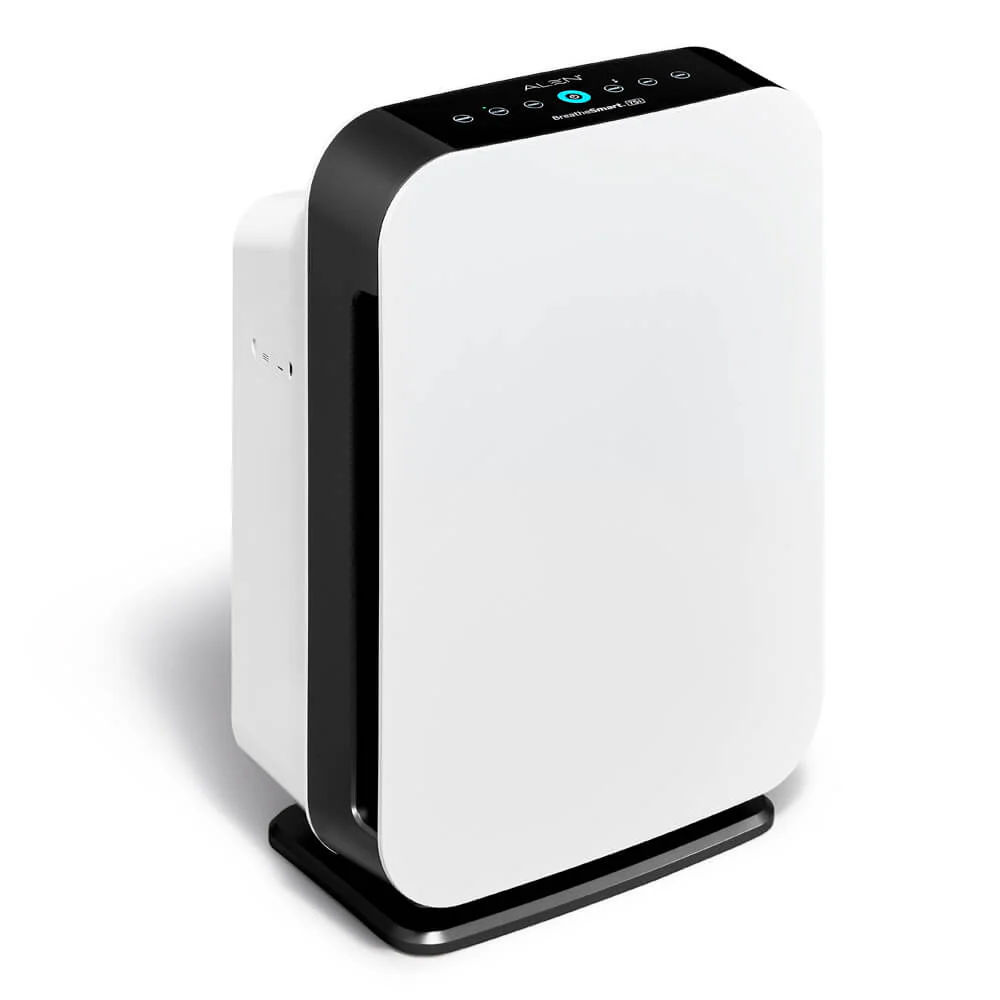
The Gold Standard: True HEPA Filtration
At the heart of any truly pure air purifier lies the True HEPA filter. HEPA stands for High-Efficiency Particulate Air, and these filters are the undisputed champions of particle removal. What makes a filter “True HEPA”? It must be capable of capturing at least 99.97% of airborne particles as tiny as 0.3 microns. To put that into perspective, the human eye can only see particles down to about 50 microns. This means True HEPA filters effectively trap microscopic threats like pollen, dust mites, pet dander, mold spores, and even many bacteria and viruses.
It’s crucial to differentiate “True HEPA” from terms like “HEPA-type” or “HEPA-like.” These similar-sounding phrases often indicate filters that don’t meet the stringent efficiency standards of a True HEPA filter, offering less effective protection. Always look for the “True HEPA” designation for genuine particle-trapping prowess.
Beyond Particles: The Power of Activated Carbon
Particles are only half the battle. Our homes are also filled with gaseous pollutants, invisible to the naked eye but potentially harmful. These include volatile organic compounds (VOCs) emitted from cleaning products, paints, furniture, and even cooking, as well as unpleasant odors from pets or smoke. This is where activated carbon filters step in.
Activated carbon works through a process called adsorption, where gas molecules stick to the highly porous surface of the carbon. Unlike HEPA filters that physically trap particles, activated carbon chemically binds with gases, effectively neutralizing odors and breaking down harmful VOCs. A pure air purifier must incorporate a substantial activated carbon filter to tackle this crucial aspect of indoor air quality.
The Multi-Stage Advantage: Why Layers Matter
A truly pure air purifier doesn’t rely on a single technology. Instead, it employs a multi-stage filtration system, a layered approach designed to tackle various pollutants in sequence. This typically starts with a pre-filter to capture larger particles like hair and lint, extending the life of subsequent filters. Then comes the True HEPA filter for fine particulates, followed by the activated carbon filter for gases and odors. Some advanced systems might include additional layers for enhanced purification. This comprehensive approach ensures that the air passing through the unit emerges as pure as possible.
Technology Deep Dive: How Pure Air Purifiers Work
Understanding the mechanics behind these devices helps appreciate their effectiveness.
Mechanical Filtration (Pre-filter, True HEPA)
The core of most pure air purifiers is mechanical filtration. Air is drawn into the unit by a fan and first passes through a pre-filter. This initial screen catches the biggest airborne elements, preventing them from clogging the more delicate True HEPA filter. The air then moves to the True HEPA filter, a dense mat of randomly arranged fibers. As air flows through this maze, particles are trapped by three primary mechanisms: interception (particles touching a fiber stick to it), impaction (larger particles crashing into fibers), and diffusion (ultrafine particles colliding with gas molecules and getting caught).
Adsorption (Activated Carbon)
Following mechanical filtration, air encounters the activated carbon filter. This filter is made from highly porous carbon, often derived from coconut shells, treated to increase its surface area. One gram of activated carbon can have a surface area equivalent to several tennis courts! This vast surface is what allows it to effectively adsorb a wide array of gaseous pollutants, locking them away from your breathing air.
Optional Enhancements: Targeting Microorganisms
For an extra layer of purity, some air purifiers integrate UV-C light technology. UV-C light, a specific wavelength of ultraviolet light, can neutralize airborne bacteria, viruses, and mold spores by disrupting their DNA or RNA, rendering them harmless. It’s important to note that UV-C should be safely contained within the purifier and not emit into the room, as direct exposure can be harmful.
A Crucial Note on Ionizers and Ozone: While some air purifiers utilize ionizers to charge particles and make them easier to trap, it’s vital to be cautious. Many ionizers can produce ozone, a known lung irritant that can exacerbate respiratory conditions like asthma and even react with other indoor chemicals to create new, harmful byproducts. For a truly pure air purifier, prioritize models that explicitly state they are ozone-free or are certified by organizations like the California Air Resources Board (CARB), which has strict emissions standards. CleanAir Home strongly advocates for ozone-free technologies to ensure true purity without compromise.
Choosing Your Pure Air Purifier: A Buyer’s Guide
Selecting the right pure air purifier involves more than just picking a brand. It’s about matching the device to your specific needs and environment.
CADR and Room Size: Matching Power to Your Space
One of the most important metrics is the CADR (Clean Air Delivery Rate). This indicates how quickly the air purifier can remove specific pollutants (dust, pollen, smoke) from a room of a certain size. A higher CADR means faster cleaning. Always choose a purifier with a CADR suitable for the square footage of the room where it will be used. Running a small unit in a large room will simply not deliver the pure air you expect.
Filter Lifespan and Maintenance: The Long-Term View
Pure air purifiers are an investment, and their effectiveness relies on regular maintenance, primarily filter replacement. True HEPA and activated carbon filters have a finite lifespan, typically 6-12 months, depending on usage and air quality. Factor in the cost and availability of replacement filters when making your decision. Neglecting filter changes will significantly reduce your purifier’s performance.
Noise Levels and Energy Efficiency: Comfort and Cost
An air purifier that’s too loud can disrupt sleep or daily activities, especially if it’s in a bedroom or living area. Check the decibel (dB) ratings, particularly at lower fan settings. Additionally, look for Energy Star certification, which indicates that the unit meets strict energy efficiency guidelines, saving you money on electricity bills over time.
Smart Features: Enhancing User Experience
Many modern pure air purifiers come with smart features that enhance usability. These can include:
- Auto Mode: Uses built-in sensors to detect air quality and automatically adjust fan speed.
- Air Quality Sensors: Provide real-time data on particle levels.
- App Control: Allows you to monitor and control the purifier from your smartphone.
- Timers and Sleep Modes: Customize operation for your lifestyle.
The Untainted Benefits: Why Pure Air Matters for Your Health and Home
Investing in a pure air purifier brings a wealth of benefits that extend far beyond simply making your home smell fresher.
Alleviating Allergies and Asthma
For the millions of people who suffer from allergies and asthma, a pure air purifier can be a game-changer. By continuously removing airborne allergens like pollen, pet dander, dust mites, and mold spores, these devices significantly reduce triggers that can lead to uncomfortable symptoms and severe attacks. “Consistently breathing truly pure air is a foundational element for well-being, especially for those with respiratory sensitivities,” says Dr. Anya Sharma, an environmental health specialist.
Defending Against Viruses and Pathogens
In an increasingly health-conscious world, the ability of pure air purifiers to help mitigate the spread of airborne viruses and bacteria is invaluable. True HEPA filters are capable of capturing many viral and bacterial particles, and when combined with UV-C technology, the protective effect is further enhanced, reducing your household’s exposure to common pathogens.
Eliminating Odors and Harmful VOCs
No one enjoys stale, unpleasant odors in their home. Whether it’s cooking smells, pet odors, or mustiness, a pure air purifier with an effective activated carbon filter can neutralize these nuisances, leaving your home smelling genuinely fresh, not just masked by artificial scents. More importantly, it tackles the unseen threat of VOCs, contributing to a safer indoor environment.
Improving Sleep and Overall Well-being
Breathing clean air can have a profound impact on your sleep quality. Reduced allergens and irritants mean fewer nighttime sniffles, coughs, and congestion, leading to more restful sleep. Over time, consistently pure indoor air contributes to better respiratory health, increased energy levels, and a greater sense of overall well-being.
Debunking Common Myths about Air Purification
Let’s clear up some common misunderstandings about air purifiers.
Myth: All HEPA filters are equal.
Fact: As discussed, only “True HEPA” filters meet the 99.97% efficiency standard for 0.3-micron particles. “HEPA-type” filters offer lower efficiency. Always verify the True HEPA claim.
Myth: Air purifiers create ozone.
Fact: While some older or poorly designed ionizers and “ozone generators” do produce harmful ozone, reputable pure air purifiers, especially those focusing on mechanical and carbon filtration, are designed to be ozone-free. Always check for certifications like CARB.
Myth: Air purifiers are a one-time fix.
Fact: An air purifier is an ongoing solution, not a magic bullet. It works continuously to clean the air, but its effectiveness relies on regular filter replacement and proper usage. It also complements, rather than replaces, good ventilation and source control (e.g., limiting pollutant sources indoors).
Maintaining Purity: Tips for Optimal Performance
To ensure your pure air purifier delivers peak performance, keep these maintenance tips in mind:
- Regular Filter Replacement: This is the single most important step. Follow the manufacturer’s recommendations for filter change intervals. Ignoring this will lead to diminished performance and potentially re-releasing trapped pollutants.
- Proper Placement: Position your air purifier in a location where it can draw in and circulate air effectively, typically in the room you spend the most time in. Avoid placing it directly against walls or behind furniture, which can impede airflow.
- When to Run Your Purifier: For continuous purity, it’s best to run your air purifier most of the time, especially when you are home. Many modern units are energy-efficient enough to run 24/7 without a significant impact on your electricity bill.
Conclusion
The pursuit of pure indoor air is a journey towards a healthier, more comfortable home. A pure air purifier, equipped with True HEPA and activated carbon filtration, stands as your most reliable ally in this endeavor, meticulously removing both particulate and gaseous pollutants. It’s an investment in your health, offering tangible benefits from alleviating allergies and asthma to enhancing overall well-being. Embrace the ultimate solution for clean air and experience the profound difference purity can make in your life. With CleanAir Home, achieving truly pure air is not just a possibility; it’s a promise.