Ever feel like your home’s air could use a fresh start? It’s a common misconception that only large, bulky devices can truly tackle indoor air pollution. But what if we told you that a Small Air Purifier could be your secret weapon, bringing a breath of fresh air to even the coziest corners of your life? These compact powerhouses are revolutionizing how we think about clean indoor air, proving that great things truly do come in small packages. From your bustling home office to your tranquil bedroom sanctuary, these diminutive devices are designed to fit seamlessly into your life, silently working to safeguard your well-being.
The Rise of the Compact Clean: What Exactly is a Small Air Purifier?
Think of a small air purifier as the agile, unassuming hero of indoor air quality. Unlike their larger counterparts, these units are specifically engineered to be compact, lightweight, and often highly portable. Their primary purpose? To efficiently filter and circulate air in more confined spaces, such as bedrooms, nurseries, home offices, dorm rooms, or even personal desk areas. They’re built for convenience without compromising on effectiveness, making them an ideal choice for urban dwellers, students, or anyone looking to enhance their personal breathing zone without a significant footprint.
Decoding the Clean Air Magic: How Small Air Purifiers Work
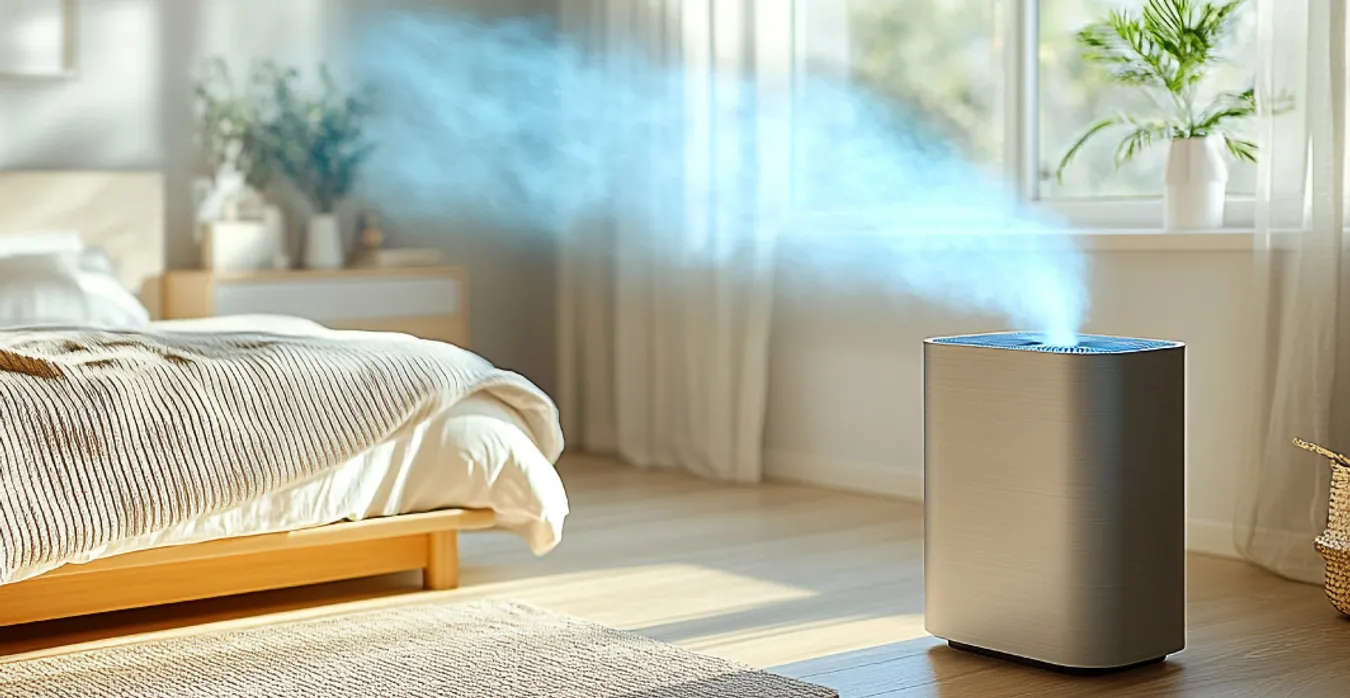
At its core, an air purifier operates on a straightforward principle: it draws in airborne contaminants, filters them through specialized layers, and then releases purified air back into your environment. Small air purifiers, despite their size, leverage advanced filtration technologies to perform this essential task with remarkable efficiency.
The Heart of the Matter: Understanding Filtration Technologies
The effectiveness of any air purifier, regardless of size, hinges on its filtration system. Most high-quality small air purifier models utilize a multi-stage approach to tackle a broad spectrum of pollutants:
- Pre-filters: These are the first line of defense, capturing larger particles like dust, hair, and pet fur. This initial stage protects the more sensitive filters that follow, extending their lifespan and maintaining optimal performance.
- True HEPA Filters: Standing for High-Efficiency Particulate Air, a True HEPA filter is the gold standard for particle removal. It’s capable of trapping at least 99.97% of airborne particles as small as 0.3 microns. Imagine microscopic invaders like pollen, dust mites, pet dander, and mold spores – a True HEPA filter acts like an intricate net, stopping them in their tracks. This is particularly crucial for allergy and asthma sufferers.
- Activated Carbon Filters: While HEPA filters excel at capturing particles, activated carbon is the champion against gases, Volatile Organic Compounds (VOCs), and unpleasant odors. These filters contain a porous form of carbon that adsorbs gaseous pollutants, effectively neutralizing smells from cooking, pets, smoke, and household chemicals. If you’ve ever walked into a room and immediately noticed a stale odor, an activated carbon filter is the secret to a fresher scent.
It’s important to note that while some older or cheaper models might use ionizers or produce ozone, modern, reputable small air purifiers prioritize filter-based purification and often explicitly state that they are ozone-free to protect your health.
Beyond the Basics: Unpacking the Benefits of a Small Air Purifier
Don’t let their size fool you; these compact cleaners bring a host of powerful benefits to your daily life, transforming your personal spaces into havens of fresh air.
Breathe Easier: Allergy and Asthma Relief
For many, a small air purifier is a crucial ally in the battle against seasonal allergies and asthma. These devices are remarkably effective at reducing common triggers like pollen, dust, pet dander, and mold spores from the air you breathe. By constantly circulating and filtering the air, they create a noticeable difference, leading to fewer sneezes, less congestion, and a generally more comfortable environment, especially during peak allergy seasons. Studies suggest that air purifiers can significantly decrease the presence of indoor allergens, turning your home into a more comfortable living space.
Silence the Stench: Odor Elimination
Ever struggle with lingering cooking smells, pet odors, or the scent of new furniture? This is where the activated carbon filter in your small air purifier truly shines. It actively absorbs and neutralizes gaseous pollutants and odors, leaving your space smelling genuinely fresh, not just masked by artificial scents. Say goodbye to the lingering aroma of last night’s dinner or your furry friend’s presence!
Your Personal Dust Buster: Less Cleaning
Dust isn’t just unsightly; it’s a cocktail of dead skin cells, dirt, mold spores, bacteria, and other microscopic debris. A small air purifier can significantly reduce the amount of airborne dust before it has a chance to settle on your surfaces. This means less time spent dusting and more time enjoying a cleaner, healthier home. It’s like having a silent, invisible cleaning crew working around the clock.
Sleep Soundly: A Healthier Bedroom Environment
Our bedrooms should be sanctuaries of rest, yet they often harbor a surprising amount of allergens and pollutants that can disrupt sleep. Placing a small air purifier in your bedroom can mitigate exposure to these irritants, fostering a cleaner and more conducive environment for restful sleep. Imagine waking up feeling truly refreshed, without the usual morning stuffiness or sniffles. “A clean air environment in the bedroom can make a profound difference in sleep quality,” says Dr. Anya Sharma, a leading environmental health specialist at the CleanAir Institute. “Reducing airborne allergens and particulates can lead to fewer disturbances and more restorative sleep.”
Fortifying Your Health: Beyond the Obvious
Beyond immediate relief, continuous use of a small air purifier contributes to overall enhanced respiratory health. Prolonged exposure to indoor air pollution can lead to various issues, from throat irritation to more serious long-term health concerns. By consistently cleaning the air, these devices play a crucial role in preventing such problems. They can also help reduce exposure to harmful airborne chemicals, particularly in areas with limited ventilation or where household cleaners are frequently used. Some research also indicates that lowering exposure to airborne particles can protect heart and lung health, especially for those in areas with high outdoor pollution.
Choosing Your Perfect Match: Key Considerations for a Small Air Purifier
With a plethora of options available, selecting the right small air purifier can feel daunting. Here’s a breakdown of the crucial factors to help you make an informed decision:
Size Up Your Space: Room Coverage and CADR
The first rule of thumb is to match the purifier’s capacity to your room size. Most small air purifiers are designed for spaces between 100 to 300 square feet, with many optimal for around 200-250 sq ft. The Clean Air Delivery Rate (CADR) is a vital metric here, indicating how quickly and effectively the purifier removes smoke, dust, and pollen from a room. A higher CADR means faster purification. A good guideline is to choose an air purifier with a CADR rating that is at least two-thirds of your room’s square footage. For example, for a 150 sq ft room, aim for a CADR of at least 100 CFM.
Whisper-Quiet Operation: Noise Levels Matter
Given that these units often live in personal spaces like bedrooms or home offices, noise level is a significant factor. Nobody wants a buzzing distraction while trying to sleep or concentrate. Look for models that operate quietly, especially on their lowest settings. Decibel (dB) ratings are key; devices under 50 dB are generally considered quiet, with many excellent options falling into the 24-45 dB range, which is comparable to a whisper or quiet office environment.
Filter Smarts: The Heart of the Purifier
As discussed, True HEPA and activated carbon filters are non-negotiable for comprehensive air purification. When choosing a small air purifier, inquire about filter longevity. Many filters last 6-12 months, and some newer technologies offer washable, long-lasting alternatives, reducing both cost and environmental impact. Always confirm the filter type and its lifespan to ensure efficient and cost-effective operation.
Smart Features and Convenience: Tech for Clean Air
Modern small air purifiers often come equipped with intelligent features that enhance usability and performance. Look for:
- Auto Mode and Air Quality Sensors: These allow the purifier to automatically adjust fan speed based on real-time air quality readings, ensuring optimal filtration without constant manual intervention. It’s a true “set it and forget it” functionality.
- App Control: Many smart models offer connectivity via a mobile app, allowing you to monitor air quality trends, adjust settings, and receive filter replacement reminders from your smartphone.
- Filter Replacement Indicators: A simple yet invaluable feature that alerts you when it’s time to change or clean your filters, ensuring your purifier always performs at its best.
Design and Placement: Blending In
Since small air purifiers are meant to be part of your living space, aesthetics and physical footprint matter. Choose a design that complements your decor. Consider compact, lightweight models (typically under 10 lbs) that can easily sit on a desk, nightstand, or shelf. Some rectangular designs are particularly well-suited for tight spaces or placement against a wall, whereas cylindrical units generally require more open space for optimal 360-degree airflow. Proper placement ensures maximum effectiveness, so position your unit where airflow won’t be blocked by furniture or walls.
Maximizing Effectiveness: Tips for Using Your Small Air Purifier
To get the most out of your compact cleaning companion, consider these practical tips:
- Run It Continuously: For consistent air quality, it’s generally recommended to run your small air purifier daily, particularly in the rooms you use most frequently. Continuous operation helps maintain consistently low levels of particulate matter and pollutants.
- Keep Doors and Windows Closed: To ensure your purifier is filtering indoor air effectively and not drawing in new pollutants from outside, keep windows and doors closed while it’s running.
- Regular Filter Maintenance: Adhere to the manufacturer’s guidelines for cleaning or replacing filters. A clogged filter can significantly reduce efficiency and even strain the motor.
- Strategic Placement: Place your purifier in the room where you spend the most time. For optimal circulation, avoid placing it directly in a corner or where its air intake or output vents are obstructed.
Common Misconceptions About Small Air Purifiers
Despite their growing popularity, a few myths still float around:
- “They’re too small to be effective.” This is simply untrue. While they won’t purify an entire open-concept living space, a well-chosen small air purifier with appropriate CADR can be incredibly effective for its designated room size.
- “Air purifiers don’t need maintenance.” Just like any appliance, air purifiers require regular filter checks and replacements to maintain peak performance. Ignoring this can render the unit ineffective.
- “All air purifier filters are the same.” As highlighted, there’s a significant difference between basic filters and True HEPA with activated carbon. Always check the filter specifications.
Frequently Asked Questions
How often should I run my small air purifier?
For optimal indoor air quality, it’s generally recommended to run your small air purifier continuously, especially in the rooms you use most often. This ensures a consistent reduction in airborne pollutants.
Can a small air purifier help with pet allergies?
Yes, absolutely! Small air purifiers equipped with True HEPA filters are highly effective at capturing pet dander, a primary trigger for many individuals with asthma and allergies, significantly reducing allergy symptoms.
Where is the best place to put a small air purifier?
Place your small air purifier in the room where you spend the most time, such as your bedroom or home office. Position it in a central location, away from walls or furniture that could block its airflow, to ensure efficient circulation.
What is CADR and why is it important for small air purifiers?
CADR stands for Clean Air Delivery Rate. It indicates how quickly and effectively an air purifier can remove smoke, dust, and pollen from a room. For a small air purifier, matching the CADR to your room size (aim for a CADR at least two-thirds of your room’s square footage) is crucial for effective purification.
Do small air purifiers remove odors effectively?
Yes, if they are equipped with an activated carbon filter. This type of filter is designed to absorb and neutralize gaseous pollutants and odors from sources like cooking, pets, and smoke, leaving your air much fresher.
Are small air purifiers noisy?
While some older or cheaper models might be, many modern small air purifier units are designed for whisper-quiet operation, especially on their lowest settings. Look for models with decibel ratings below 50 dB for comfortable use in quiet spaces like bedrooms.
How often do I need to change the filter in a small air purifier?
Filter lifespan varies by model and usage, but typically, True HEPA and activated carbon filters need to be replaced every 6 to 12 months. Always refer to your specific purifier’s manual for recommended filter replacement schedules.
Conclusion
In a world where indoor air quality is increasingly recognized as a cornerstone of health and well-being, the small air purifier emerges as an indispensable tool for modern living. These compact wonders prove that you don’t need a large device to make a significant impact on the air you breathe. By understanding their powerful filtration technologies, diverse benefits, and key selection criteria, you can easily find the perfect mini marvel to create a cleaner, fresher, and healthier personal environment. Take control of your indoor air – your lungs will thank you.