Ever walked into your home and felt like the air just wasn’t quite right? Perhaps a lingering scent, a dusty film, or the tell-tale signs of seasonal allergies making you sneeze? You’re not alone. The quality of the air inside our homes is a growing concern, and for good reason. Thankfully, a Whole Home Air Purifier can be a game-changer, transforming stale, pollutant-laden air into a sanctuary of freshness. But what exactly is a whole home air purifier, and how do you choose the right one for your living space? Let’s clear the air on this essential home upgrade.
What Exactly is a Whole Home Air Purifier? Understanding the Difference
When we talk about purifying the air in an entire home, it’s important to understand there are two primary approaches, often both referred to as “whole home solutions.”
Firstly, there are Whole-House HVAC Integrated Systems. These are the true titans of whole-home air purification. Unlike standalone units, these systems are seamlessly integrated directly into your existing heating, ventilation, and air conditioning (HVAC) ductwork. Imagine your entire home’s air supply passing through a sophisticated filtration system before it even reaches your living spaces. This ensures consistent, continuous purification throughout every room, whenever your HVAC system is running. It’s a comprehensive, set-it-and-forget-it solution that delivers peace of mind across your entire household. These systems are powerful, filtering air as it circulates through your home’s central system, effectively removing a wide array of airborne contaminants.
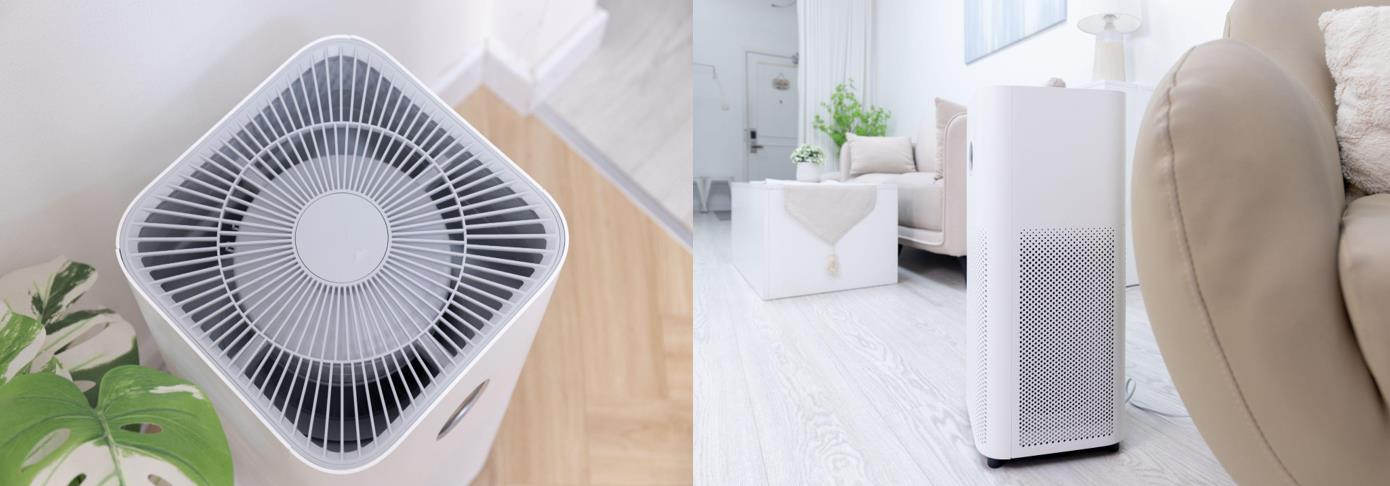
Secondly, you have High-Capacity Standalone Units. While not integrated into your HVAC, these powerful room air purifiers are designed to cover very large open-concept areas, sometimes up to several thousand square feet. Brands often market these as “whole home” solutions because they can handle significant square footage. However, they are still self-contained units that purify the air in the space they are placed, rather than circulating purified air through ductwork to every single room. They offer flexibility, portability (within reason for their size), and can be a great option for apartments or smaller homes with open layouts.
So, why does this distinction matter? If your primary goal is consistent, comprehensive air purification across every nook and cranny of a multi-room or multi-story house, an HVAC-integrated whole home air purifier is likely your best bet. If you live in an open-plan home or apartment and want a powerful solution for that large space, a high-capacity standalone unit could be perfect.
The Invisible Threat: Why Indoor Air Quality Matters
You might think your home is a haven, but the truth is, indoor air can often be far more polluted than the air outside. We spend up to 90% of our lives indoors, making the quality of that air critically important.
Our homes are filled with a surprising array of contaminants. Think about it: dust mites thriving in carpets and bedding, pollen drifting in through open windows, pet dander from our beloved furry friends, and invisible mold spores lurking in damp areas. Then there’s wildfire smoke, which can travel hundreds of miles, and volatile organic compounds (VOCs) off-gassing from furniture, cleaning products, paints, and even scented candles. Viruses and bacteria, especially during cold and flu season, also circulate freely. Each of these can contribute to a cocktail of pollutants silently impacting your health.
The health impacts are significant. For many, poor indoor air quality triggers allergies and asthma symptoms, leading to sneezing, coughing, watery eyes, and difficulty breathing. But it goes beyond that. Prolonged exposure to certain pollutants can lead to headaches, fatigue, and even more serious respiratory issues over time. Improving your indoor air quality isn’t just about comfort; it’s about protecting your long-term health and well-being. Dr. Lena Khan, a certified indoor environmental quality specialist, emphasizes, “Investing in a whole home air purifier is investing in your family’s health and comfort. It’s about proactive care for the air you breathe every single day.”
How Do Whole Home Air Purifiers Work Their Magic? Technologies Explained
At the core of every whole home air purifier lies its filtration system – the unsung hero working tirelessly to scrub your air clean. Understanding these technologies is key to choosing an effective system.
Filtration Systems – The Heart of Clean Air
- HEPA Filters: These are the gold standard for particle removal. A True HEPA filter is designed to capture 99.97% of airborne particles as small as 0.3 microns. To put that into perspective, this includes common allergens like pollen, dust mites, pet dander, mold spores, and even smoke particles. Many high-capacity portable units and HVAC-integrated systems rely heavily on HEPA filtration.
- Activated Carbon Filters: While HEPA excels at particles, activated carbon is the champion against odors and volatile organic compounds (VOCs). These filters are packed with porous carbon that chemically absorbs gases, fumes, and unpleasant smells from cooking, pets, cleaning products, and even lingering smoke. A robust carbon filter is essential for achieving truly fresh air.
- MERV Rating System: For HVAC-integrated whole home air purifier systems, the Minimum Efficiency Reporting Value (MERV) rating is crucial. MERV ratings range from 1 to 16 for residential filters (commercial can go higher). The higher the MERV rating, the more efficient the filter is at capturing smaller particles. For example, a MERV 8 filter is good for basic dust and pollen, while a MERV 13-16 filter offers superior filtration, capable of trapping very fine particles, bacteria, and even some viruses, making it ideal for those with severe allergies or asthma. However, a higher MERV rating can sometimes restrict airflow, so it’s vital to ensure your HVAC system can handle it without strain.
- Advanced Technologies: Some modern whole home air purifiers incorporate additional technologies to enhance their effectiveness. UV-C light, for instance, is used to inactivate airborne microorganisms like viruses and bacteria as they pass through the system. Other innovations, like Carrier’s “Captures & Kills®” technology, use an electrical charge to trap and then inactivate select viruses and bacteria within a MERV 15 filter. These advanced features provide an extra layer of protection, particularly valuable during flu season or for immune-compromised individuals.
Selecting the Right Whole Home Air Purifier for Your Sanctuary
Choosing the perfect whole home air purifier requires a bit of homework to match the technology to your unique living situation and needs.
First, assess your needs. Consider the size of your home. Are you in a smaller apartment or a sprawling multi-story house? Do you have specific concerns like severe allergies, pets, a smoker in the house, or live in an area prone to wildfire smoke? These factors will heavily influence the type and capacity of the air purifier you need.
Next, understand coverage areas. For true whole-home purification across every vent, an HVAC-integrated system is designed to handle your entire home’s square footage through its central air circulation. For standalone units, look at the Clean Air Delivery Rate (CADR) and the manufacturer’s recommended room size or square footage coverage. Always choose a unit slightly above your room’s actual size for optimal performance.
Filtration types and MERV ratings are critical. If allergies are your main concern, prioritize True HEPA filtration. For odors and VOCs, a substantial activated carbon filter is a must. For HVAC systems, aim for a MERV rating of 10 or higher, ensuring compatibility with your existing system to prevent airflow issues.
Don’t overlook smart features and connectivity. Many modern air purifiers offer app control, allowing you to monitor air quality, adjust settings, and schedule operation from your smartphone. Built-in air quality monitors and an “auto mode” that adjusts fan speed based on detected pollution levels are incredibly convenient and energy-efficient features.
Consider noise levels and energy efficiency. A unit that’s too loud can be disruptive, especially if you plan to run it continuously. Look for models with a low decibel rating, particularly for bedrooms or living areas. Energy Star certified models will help keep your electricity bills in check while providing effective purification.
Finally, if you’re leaning towards an HVAC-integrated whole home air purifier, remember that professional installation is essential. These systems need to be correctly integrated into your ductwork to function efficiently and safely. The cost for installation of a whole-house air purifier typically ranges from $1,000 to $3,000, varying based on the system type, your home’s layout, and the complexity of the job. It’s an investment, but one that pays dividends in consistent, clean air throughout your entire home.
Keeping Your Air Purifier at Peak Performance: Maintenance Matters
Just like any other home appliance, your whole home air purifier needs a little TLC to keep it running effectively and ensure you’re always breathing the cleanest air possible.
Regular filter replacement is by far the most crucial maintenance task. Filters, whether HEPA or carbon, get saturated with the pollutants they capture. Over time, a clogged filter becomes less effective and can even restrict airflow, putting strain on your unit or HVAC system. Most manufacturers recommend replacing filters every 6 to 12 months, but this can vary based on air quality, usage, and the specific filter type. Always refer to your owner’s manual for precise recommendations. Some smart purifiers will even notify you via their app when it’s time for a change, which is a fantastic feature.
Beyond filters, cleaning your unit periodically is important. For standalone purifiers, gently vacuum the exterior grilles and wipe down the casing with a damp cloth to remove dust buildup. For HVAC-integrated systems, ensure external components, if any, are free from obstructions.
While not applicable to HVAC-integrated systems, optimizing placement for standalone units can significantly impact their effectiveness. Place them in the rooms where you spend the most time, or where pollution sources are highest (e.g., near pet areas, in the kitchen, or a bedroom). Ensure they have adequate clearance around them for unimpeded airflow.
Lastly, consider running your air purifier 24/7. For optimal indoor air quality, continuous operation is beneficial. Air pollution is an ongoing issue, not just an occasional one. Running your purifier around the clock ensures a constant cycle of clean air, effectively removing new pollutants as they enter your home and maintaining a consistently healthy environment. This is especially true for those with allergies or living in areas with high ambient pollution.
The Health Benefits: A Breath of Fresh Air for Your Life
The impact of a whole home air purifier extends far beyond simply “cleaner air.” It translates directly into tangible health and lifestyle benefits that can profoundly improve your quality of life.
One of the most immediate and significant advantages is reduced allergy and asthma symptoms. By diligently capturing pollen, dust mites, pet dander, and mold spores, these systems create an environment with fewer triggers, allowing allergy and asthma sufferers to breathe more freely and experience fewer flare-ups. Imagine waking up without that familiar morning stuffiness or being able to enjoy your pets without constant sneezing.
Beyond symptom relief, cleaner air can lead to better sleep quality. When your body isn’t fighting off airborne irritants all night, you can achieve deeper, more restorative sleep, waking up feeling refreshed and energized.
A whole home air purifier also provides a crucial layer of protection against illnesses. By filtering out airborne viruses and bacteria, especially those with advanced “Captures & Kills” technologies or UV-C light, you’re actively reducing the circulation of pathogens that cause common colds, flu, and other respiratory infections. This is particularly valuable during peak illness seasons.
Furthermore, these systems excel at the elimination of unpleasant odors. Whether it’s cooking smells, pet odors, or lingering stuffiness, activated carbon filters work wonders to neutralize these nuisances, leaving your home smelling genuinely fresh and clean.
Ultimately, investing in a whole home air purifier contributes to an overall improved well-being and comfort. A home with clean, fresh air feels better, smells better, and supports a healthier lifestyle for everyone under its roof. It’s a proactive step towards creating a truly healthy living environment.
Common Misconceptions About Whole Home Air Purifiers
Despite their growing popularity, several myths often cloud the understanding of whole home air purifier systems. Let’s bust a few:
- “All air purifiers are the same.” This couldn’t be further from the truth. As we’ve discussed, there’s a significant difference between a powerful standalone unit designed for a large room and an HVAC-integrated system that cleans the air throughout your entire home via ductwork. Each serves a distinct purpose, and choosing the right type is crucial for your specific needs.
- “They’re only for people with allergies.” While allergy relief is a major benefit, air purifiers offer advantages for everyone. They reduce general household dust, remove odors, filter out VOCs from everyday products, and can even help mitigate exposure to viruses and bacteria. Clean air is beneficial for all, not just those with sensitivities.
- “Once installed, no further action needed.” This is a dangerous misconception. Filters need regular replacement, and units may require occasional cleaning to maintain peak performance. Neglecting maintenance can lead to reduced effectiveness and potentially even damage the unit or your HVAC system.
- “They make too much noise.” While older models or cheaper portable units might have been noisy, modern whole home air purifier systems and many high-quality standalone units are designed for whisper-quiet operation, especially on lower settings. Many even feature dedicated “sleep modes” that ensure silent filtration through the night.
Frequently Asked Questions (FAQ)
Do whole home air purifiers work?
Yes, absolutely! When properly sized and maintained, whole home air purifiers, particularly those integrated into your HVAC system, are highly effective at removing a wide range of airborne pollutants, allergens, and odors throughout your entire house.
Can I add an air purifier to my HVAC?
Yes, you can! Many whole home air purifiers are specifically designed to be integrated directly into your existing HVAC ductwork. This setup allows them to filter all the air circulating through your home’s heating and cooling system.
How much does a whole house air purifier cost to install?
The cost to install a whole house air purifier typically ranges from $1,000 to $3,000. This price can vary depending on the specific model, your home’s HVAC system compatibility, and the complexity of the installation.
How often should I change filters in a whole home air purifier?
Filter replacement frequency varies by manufacturer and usage, but generally, filters in a whole home air purifier should be changed every 6 to 12 months. Always check your unit’s manual for specific recommendations.
What is the best MERV rating for a whole home air purifier?
For most homes, a MERV rating of 10-13 offers a good balance of filtration efficiency and airflow. For severe allergies or asthma, a MERV 15 filter provides superior particle capture, but ensure your HVAC system can handle it without strain.
Do whole house air purifiers help with pet odors?
Yes, they do! Whole home air purifiers often include activated carbon filters specifically designed to absorb and neutralize odors, including those from pets, cooking, and other household sources, leaving your home smelling fresher.
Is it okay to run an air purifier all the time?
Yes, it is highly recommended to run your air purifier continuously, especially if you have allergies, pets, or live in a highly polluted area. Constant operation ensures a continuous cycle of clean air, maintaining optimal indoor air quality.
Conclusion
Stepping into a home filled with truly clean air is an experience unlike any other. A whole home air purifier isn’t just another gadget; it’s a foundational element of a healthier, more comfortable living environment. By understanding the types of purifiers available, the science behind their operation, and the profound benefits they offer, you’re empowered to make an informed decision for your family’s well-being. From reducing allergy triggers to eliminating odors and protecting against airborne pathogens, the advantages are clear. So, take a deep breath, explore the possibilities, and embrace the transformative power of a whole home air purifier for a healthier, happier life.