Ever wonder what’s really floating around in your home’s air? It’s easy to overlook, but indoor air can actually be far more polluted than the air outside. That’s where a quality air purifier comes in, and for many, the Winix Air Purifier has become a trusted ally in the fight for cleaner breathing. If you’re ready to transform your living space into a haven of fresh air, understanding what makes Winix stand out is your first step.
Understanding Air Purifiers: The Foundation
Before we dive into the specifics of Winix, let’s quickly touch on why air purification is so crucial. At its core, an air purifier works by drawing in airborne contaminants and trapping them in specialized filters, releasing cleaner air back into your room. This process significantly reduces the presence of allergens, dust, pet dander, mold spores, and even harmful chemicals, creating a healthier environment for you and your loved ones.
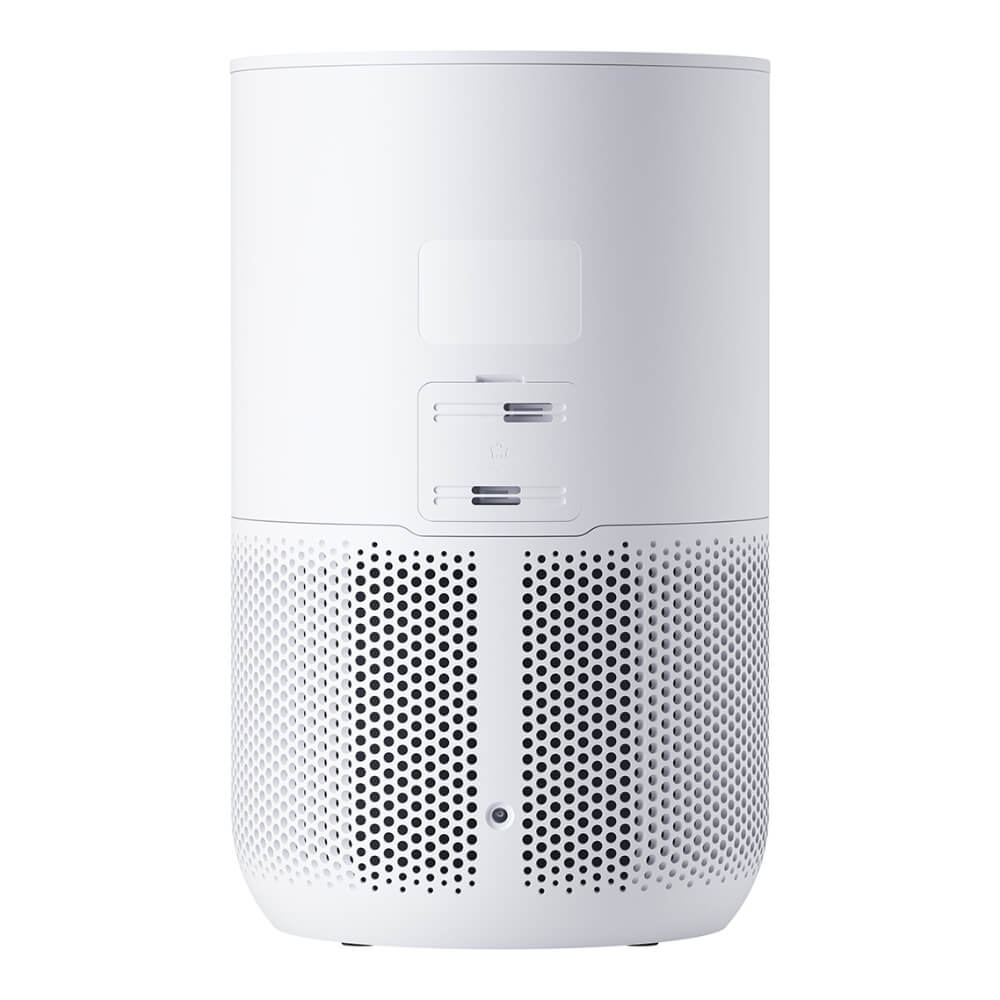
How Air Purifiers Work: A Quick Overview
Imagine your air purifier as a silent, vigilant guardian. It pulls air through a series of filters, each designed to catch different types of pollutants. The cleaner air then cycles back into your room, helping to create a continuous flow of purified air. This mechanical process is the backbone of most effective air purification systems.
Why Clean Air Matters: Health and Well-being
Breathing clean air isn’t just a luxury; it’s a fundamental aspect of good health. For allergy sufferers, a good air purifier can be a game-changer, dramatically reducing triggers like pollen and pet dander. Beyond allergies, improved indoor air quality can lead to better sleep, fewer respiratory issues, and an overall enhanced sense of well-being. Think of it as an investment in your daily comfort and long-term health.
The Winix Difference: Cutting-Edge Technology
Winix has carved out a strong reputation by combining robust filtration with innovative features, making their devices a popular choice for homeowners. They’re often lauded for offering exceptional value, earning them a spot as a frequent “Editor’s Choice” in reviews.
Multi-Stage Filtration: A Closer Look at Winix’s Core
Most Winix air purifier models employ a sophisticated multi-stage filtration system, typically involving three or four distinct steps, to tackle a wide array of indoor pollutants.
Pre-Filter: Your First Line of Defense
Every great defense starts with a strong front line. The washable fine mesh pre-filter in a Winix unit is designed to capture larger airborne particles like pet hair, lint, and significant dust. This crucial first stage protects the subsequent filters, extending their lifespan and ensuring overall efficiency. Regularly cleaning this pre-filter (every 1-3 months) is a simple yet effective way to maintain your unit’s performance.
True HEPA Filter: Capturing the Invisible
The heart of any serious air purifier is its True HEPA filter. Winix utilizes True HEPA filters that are certified to capture an astounding 99.97% of airborne particles as tiny as 0.3 microns. To put that in perspective, this includes common allergens like pollen, mold spores, dust mites, and pet dander, as well as many bacteria and viruses. This is where the magic happens, tackling those nearly invisible irritants that impact your health.
Activated Carbon Filter: Banishing Odors and VOCs
Ever cooked something pungent, or perhaps you live with pets? The activated carbon filter is your best friend. Winix models feature an activated carbon filter designed to absorb volatile organic compounds (VOCs) and common household odors from cooking, pets, and smoke. Some advanced Winix models even use granular activated carbon, which offers a larger surface area and superior odor absorption compared to the more basic carbon-impregnated fabric found in some entry-level units.
PlasmaWave® Technology: Nature’s Cleaning Power, Reimagined
This is arguably Winix’s signature technology, setting it apart from many competitors. PlasmaWave® works by creating both positive and negative ions from water vapor in the air. These ions combine to form hydroxyl radicals, which are naturally occurring “detergents of the atmosphere.” These hydroxyls then attach to airborne pollutants like viruses, bacteria, and chemical vapors, breaking them down at a molecular level into harmless water vapor and carbon dioxide.
Is PlasmaWave Safe? Addressing Concerns
It’s common to hear questions about ionizers and ozone production. Winix explicitly states that its PlasmaWave® technology produces undetectable levels of ozone, well within the strict safety standards set by regulatory bodies like UL and the California Air Resources Board (CARB). Plus, PlasmaWave is an optional feature; if you have any concerns, you can simply turn it off without affecting the performance of the True HEPA and carbon filters. As Dr. Evelyn Reed, an Environmental Health Scientist, often notes, “Understanding air purification technologies is key, and Winix’s PlasmaWave offers an extra layer of defense, effectively neutralizing certain airborne threats without compromising safety when used as directed.”
Choosing Your Perfect Winix Air Purifier
With a range of models available, selecting the right Winix air purifier for your home means considering your specific needs.
Matching Your Space: Room Size and CADR
The effectiveness of an air purifier largely depends on its ability to clean the air in a given space. Look for the Clean Air Delivery Rate (CADR), an AHAM Verified® rating that indicates how quickly the unit removes smoke, dust, and pollen from a room. Winix provides recommended room sizes for each model, often suggesting they can clean the air 4.8 times per hour (ACH) in those spaces – meaning the air is refreshed roughly every 12 minutes. Be sure to match the purifier’s CADR to your room’s square footage for optimal results.
Smart Features for a Smarter Home
Winix has embraced smart technology, making air purification even more convenient.
Auto Mode and Air Quality Sensors
Many Winix models come equipped with an optical air quality sensor. This intelligent feature detects changes in airborne particle levels and automatically adjusts the fan speed in real-time. So, if the air suddenly gets worse (say, after cooking or pet activity), your Winix air purifier will kick into a higher gear to clean it faster. When the air quality improves, it quietly reverts to a lower setting, conserving energy.
Wi-Fi Connectivity and App Control
For those who love smart home integration, select Winix air purifier models offer Wi-Fi connectivity. This allows you to monitor air quality, check filter life, and control your unit remotely via the Winix Smart App on your smartphone. Imagine turning on your air purifier on your way home, ensuring fresh air greets you at the door!
Considering Your Lifestyle: Pets, Allergies, and Quiet Operation
- For Pet Owners: Models like the Winix 5500-2 (or its successor, the 5510) and the AM90 are highly popular. They combine robust HEPA filtration for pet dander, a strong carbon filter for odors, and PlasmaWave to neutralize pet-related smells at their source.
- For Allergy Sufferers: The True HEPA filter is your primary weapon here, capturing pollen, dust, and mold spores. All Winix models feature this, making them excellent choices.
- For Quiet Sleepers: Winix purifiers are designed with a “Sleep Mode,” which automatically dims display lights and operates at the lowest, whisper-quiet fan speed (often under 28 decibels). This ensures uninterrupted rest while still working to keep your air clean.
Popular Winix Models: Which One is Right for You?
While models frequently evolve, a few have consistently earned high praise:
- Winix 5500-2 (and its successor, 5510): Often considered a “modern classic” for its exceptional all-around performance and robust filtration, especially for odors. The 5510 offers updated design and app connectivity.
- Winix C545: A popular mid-range option, often praised for its Wi-Fi capabilities and good performance.
- Winix T810/T830: Known for their sleek design and smart features, offering good performance especially at quieter fan speeds.
- Winix A230/A231: Excellent compact choices for smaller rooms or bedrooms, providing effective air purification in a smaller footprint.
Maximizing Your Winix Air Purifier’s Performance
Getting the most out of your Winix air purifier isn’t just about turning it on. A few simple practices can make a big difference.
Optimal Placement for Best Airflow
For your Winix unit to work its magic effectively, place it where it can achieve the best possible airflow. Generally, this means positioning it a few inches away from walls and furniture, ideally in a central location within the room you want to purify most. Avoid tucking it away in a corner or behind heavy curtains, as this can restrict its ability to circulate air efficiently.
Essential Maintenance: Keeping Your Winix Running Smoothly
Consistent maintenance is key to prolonging the life and effectiveness of your Winix air purifier.
When and How to Clean Your Pre-Filter
The washable pre-filter should be cleaned every 1-3 months, depending on your household environment (e.g., more frequently with pets or high dust). Simply remove it, rinse it under lukewarm water, let it air dry completely, and then re-insert it. This prevents larger particles from clogging the subsequent filters.
Replacing Your Carbon and HEPA Filters: A Timely Task
Your activated carbon filter typically needs replacing every 3-6 months. The True HEPA filter, being more durable, usually lasts about 12 months, or 6-12 months with heavy use. Your Winix unit’s filter replacement indicator will conveniently alert you when it’s time for a change. Ignoring these alerts can significantly reduce your purifier’s efficiency, impacting your indoor air quality.
Don’t Forget the Filter Reset!
After replacing any filter, it’s crucial to reset the filter indicator. This usually involves pressing and holding a dedicated reset button for a few seconds until you hear a beep or the light goes off. This tells your Winix air purifier that new filters are in place and resets its internal timer for tracking filter life. Failing to reset can lead to continuous “change filter” alerts, even with fresh filters.
Common Misconceptions: What Not to Believe
- “Air purifiers are too loud.” While higher fan speeds can produce noticeable sound, Winix models include a “Sleep Mode” for near-silent operation when noise is a concern.
- “They use too much electricity.” Many Winix air purifiers are Energy Star certified and, especially when left in Auto Mode, only consume the necessary power to maintain clean air, adapting to changing conditions.
- “I just need one for my whole house.” For optimal air quality, it’s often more effective to have appropriately sized units in the rooms you use most, rather than one large unit trying to cover an entire home.
Troubleshooting Your Winix Air Purifier: Quick Fixes
Even the best devices can sometimes act up. Here are some common issues and quick troubleshooting tips for your Winix air purifier:
- Unit Won’t Turn On? First, check the power cord connection and ensure the outlet is working. Verify that a timer hasn’t been set. If these don’t resolve it, refer to your manual or contact support.
- Unpleasant Odors? A new unit might have a slight plastic smell initially. If the smell persists or is unusual (like burning plastic or smoke), clean the pre-filter and check if the carbon filter needs replacement. Ensure the unit isn’t near a source of strong odors that it’s trying to filter.
- Air Quality Indicator Stuck on Red? If the red light is on the control panel, it indicates poor air quality. Keep the unit running on a higher fan speed to clean the air. If the red light is for the filter indicator, it’s time to clean or replace your filters and remember to reset the indicator.
Frequently Asked Questions (FAQ)
How often should I replace Winix filters?
The washable pre-filter should be cleaned every 1-3 months. The activated carbon filter typically needs replacement every 3-6 months, and the True HEPA filter annually, or every 6-12 months with heavy use. Your unit’s filter indicator will signal when it’s time.
Can I leave my Winix air purifier on all the time?
Yes, it’s recommended! Winix air purifiers with smart sensors can automatically adjust fan speed based on air quality, ensuring continuous, energy-efficient operation. Many also have a “Sleep Mode” for quiet nighttime use.
What is PlasmaWave and should I use it?
PlasmaWave is a Winix technology that creates hydroxyls to neutralize viruses, bacteria, and odors at a molecular level. It’s an optional feature and produces undetectable, safe levels of ozone. You can use it for enhanced air cleaning or turn it off if you prefer.
Are Winix air purifiers good for allergies?
Absolutely. With their True HEPA filters capturing 99.97% of airborne allergens like pollen, dust, mold spores, and pet dander, Winix air purifiers are highly effective for allergy sufferers.
How do I know what size Winix air purifier I need?
Check the CADR (Clean Air Delivery Rate) and the recommended room size specified for each Winix model. For optimal performance, choose a model that is AHAM Verified® for the size of the room where you intend to use it.
Conclusion
Embracing a Winix air purifier means making a tangible commitment to the health and comfort of your home. From their multi-stage True HEPA filtration to the innovative PlasmaWave technology and smart features, Winix offers a comprehensive solution for cleaner, fresher indoor air. By understanding its capabilities, choosing the right model for your needs, and performing simple maintenance, you can breathe easier and enjoy a healthier living environment. Why not take the next step towards truly clean air?